Property Prices in Greece 2026: Growth Analysis, Regional Differences, Forecasts
General Dynamics of the Greek Real Estate Market in 2026
Price Growth Statistics and Regional Differences
The Greek real estate market in 2026 demonstrates stable positive dynamics, although the growth rate has somewhat slowed compared to previous years. According to official data, the average price growth for residential real estate nationwide is 5-7% year-on-year. Significant regional differences are observed: while in Athens price growth is about 4-6%, in Thessaloniki this figure reaches 8-10%, making this city one of the leaders in the rate of property price increases in Greece. On popular tourist islands such as Crete, Rhodes, and Corfu, prices for coastal properties have risen by 7-9%, with luxury villas and sea-view apartments showing even higher growth rates. Differences in price dynamics are explained by several factors, including regional economic development, investment activity, the state of the tourism sector, and migration flows.
Property Types and Their Cost
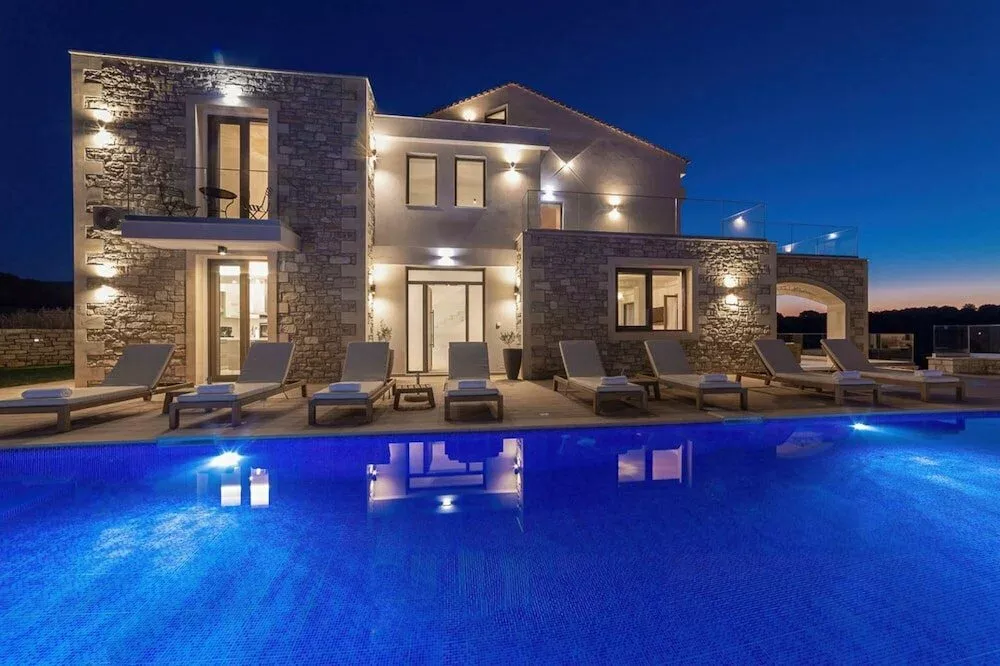
In 2026, various types of real estate are available in Greece, each with its own price dynamics. The most in-demand remain apartments in new residential complexes, where the average cost per square meter in Athens is €2,500-3,500, in Thessaloniki — €1,800-2,500, and on popular islands — €2,000-4,000 depending on location and sea view. Private houses and villas demonstrate higher costs — from €300,000 for a modest house in mainland Greece to several million euros for luxury villas in Mykonos or Santorini. Commercial real estate is also showing growth, especially in tourist areas, where the cost of hotel-type properties and restaurants has increased by 6-8% per year. Land plots for development in promising areas have become 10-15% more expensive, reflecting expectations for further development of these territories.
Срочная продажа
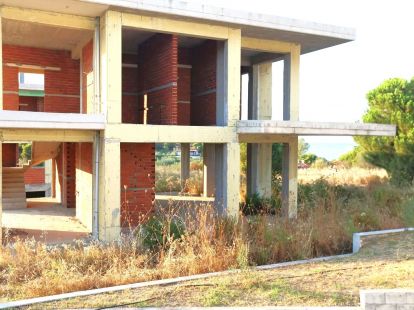
- 350m2
- 4
- 4
 Sithonia, Greece
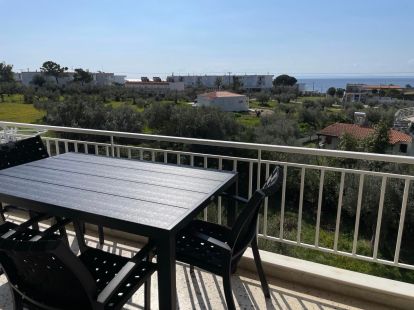
- 56m2
- 2
- 1
Sithonia, Greece
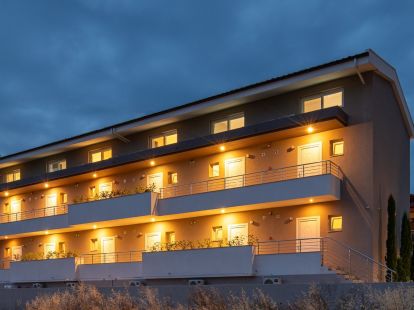
- 508m2
- 24
- 18
Sithonia, Greece
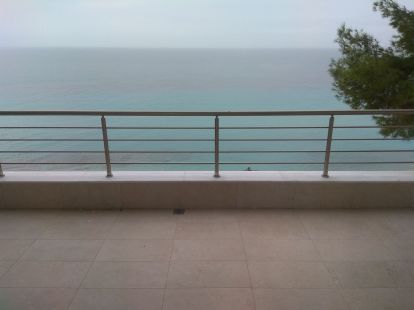
- 60m2
- 2
- 1
Kassandra, Greece
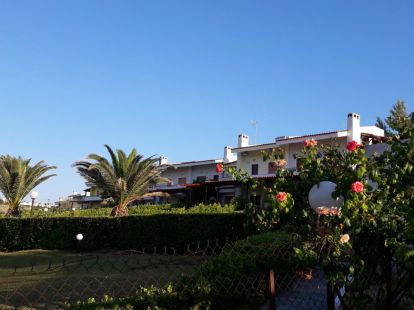
- 100m2
- 3
- 1
Kassandra, Greece
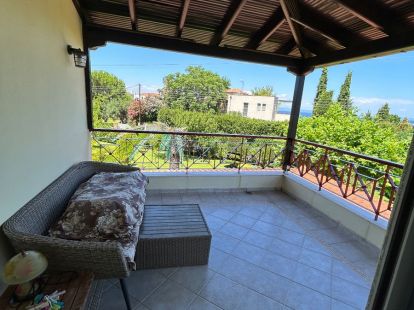
- 78m2
- 2
- 2
Kassandra, Greece
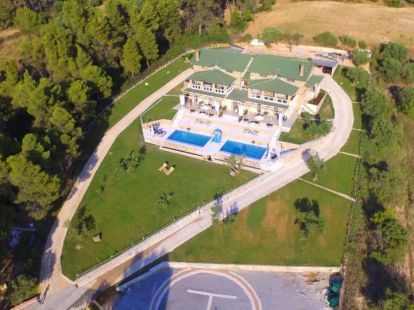
- 345m2
- 5
- 4
Kassandra, Greece
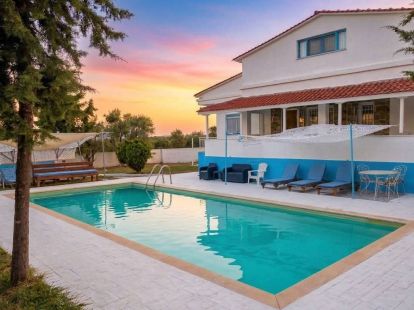
- 170m2
- 5
- 3
Sithonia, Greece
Popular Regions for Buying Property in 2026
Major Cities: Athens and Thessaloniki
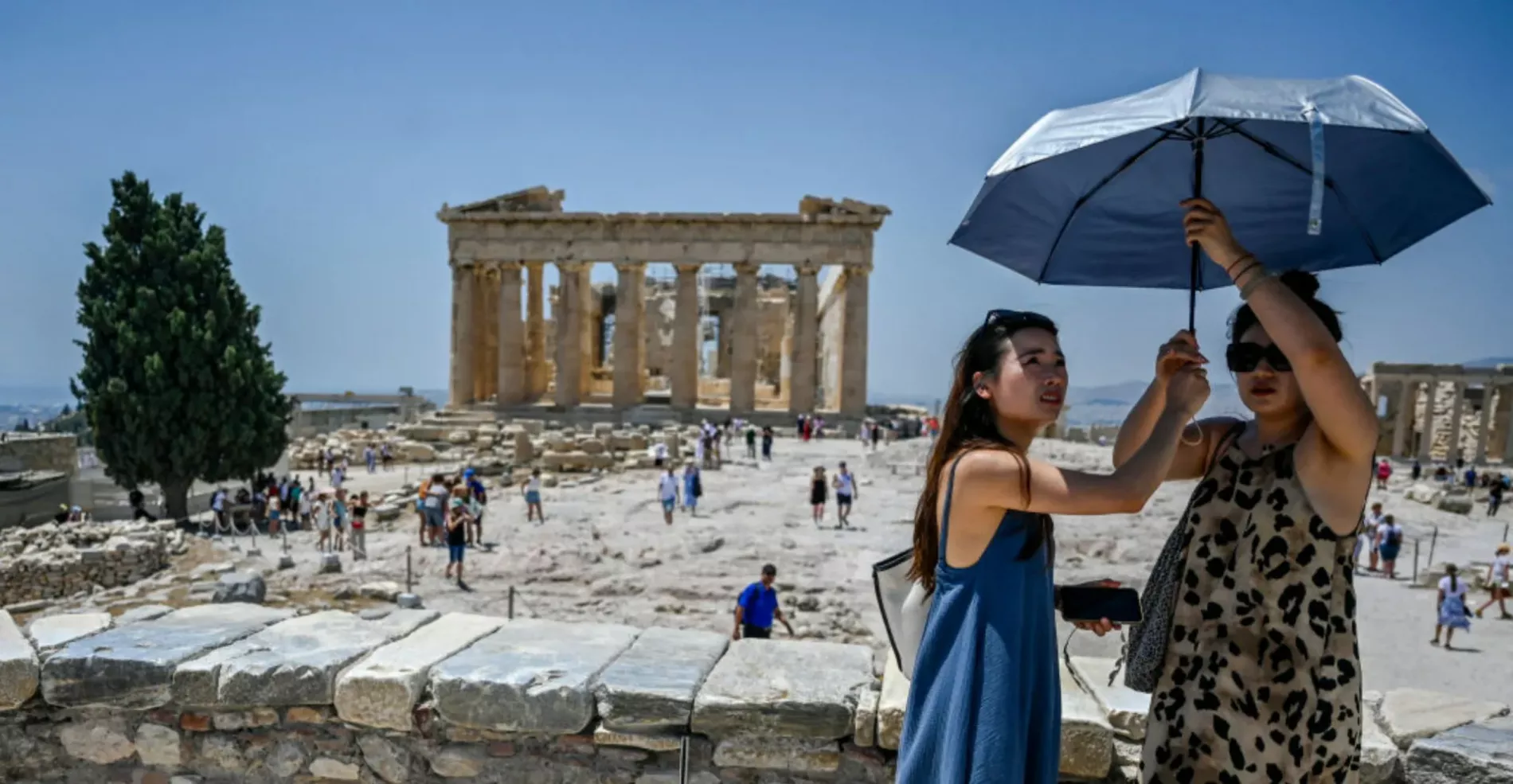
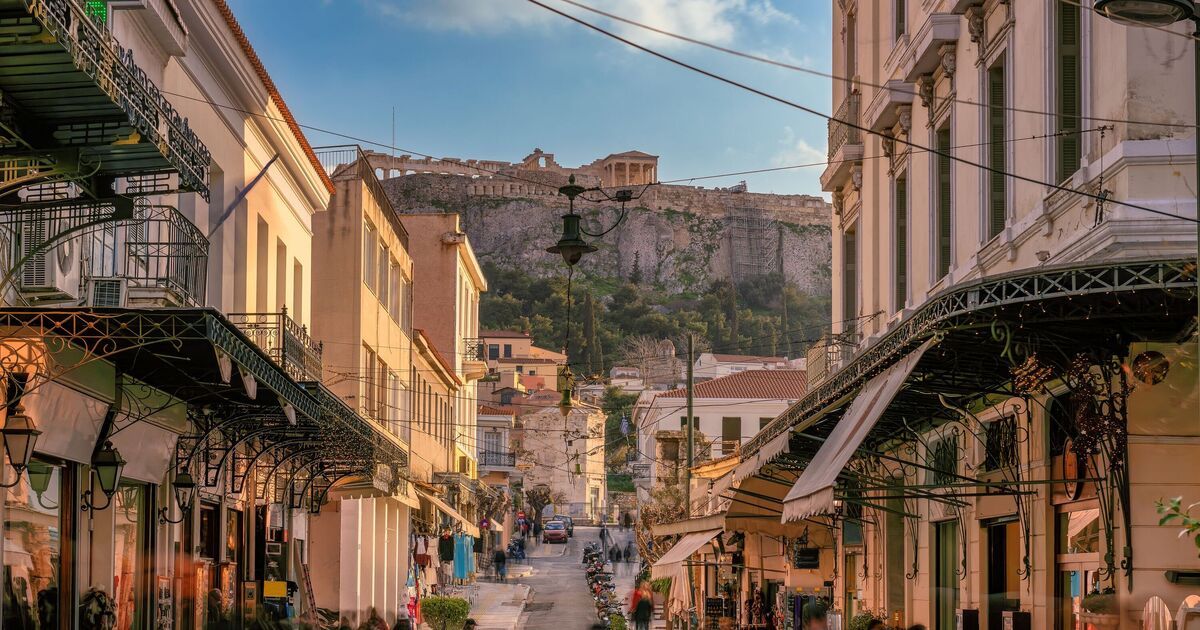
Athens, the capital of Greece, remains one of the most sought-after regions for buying property. The city is known for its rich historical heritage — the Acropolis, Parthenon, and ancient Agora attract tourists year-round. The weather in Athens is typically Mediterranean with mild winters and hot summers, making the city attractive for permanent residence. The nearest international airport, "Eleftherios Venizelos," provides excellent transport accessibility. In 2026, average hotel prices in Athens are €80-150 per night in the mid-range segment. Thessaloniki, Greece's second-largest city, stands out for its dynamic development and more affordable property prices. The city is known for its Byzantine architecture, the White Tower, and active cultural life. The nearest airport, "Macedonia," serves numerous international flights. Average hotel prices in Thessaloniki are €60-120 per night.
Islands and Resort Regions
The tourist islands of Greece continue to enjoy high demand from property buyers. Crete, the largest Greek island, offers diverse real estate — from modest apartments in the cities of Heraklion and Chania to luxury villas on the coast. The island is known for its archaeological sites of the Minoan civilization, beautiful beaches, and unique gastronomy. Average hotel prices are €70-180 per night. Rhodes attracts buyers with its well-preserved medieval city, a UNESCO World Heritage Site, and developed tourist infrastructure. Corfu, the greenest of the Greek islands, is famous for its Venetian architecture, olive groves, and refined atmosphere. Santorini and Mykonos remain the most expensive destinations, where prices for luxury real estate reach €8,000-15,000 per square meter, and average hotel prices are €200-500 per night in high season.
Technical Aspects of Purchase and Practical Recommendations
Stages of Acquiring Property in Greece
The process of buying property in Greece includes several important stages. The first stage is legal due diligence, which includes verifying ownership rights, the absence of encumbrances, and the property's compliance with urban planning norms. The second stage is the execution of a preliminary purchase and sale agreement with a deposit (usually 10% of the cost). The third stage is obtaining a tax identification number (AFM) from the Greek tax office, which is mandatory for all foreign buyers. The fourth stage is signing the final contract before a notary with simultaneous payment of the remaining amount. An important technical aspect is checking the property's energy performance certificate, which from 2026 must comply with stricter energy efficiency standards. It is also recommended to conduct a technical inspection of the building, especially when buying secondary housing.
Recommendations for Buyers and Investors
For a successful property purchase in Greece in 2026, it is recommended to consider several key factors. First, carefully choose the location — the most liquid properties remain those in major cities and on popular tourist islands. Second, pay attention to infrastructure projects in the region, which can significantly increase the property's value in the future. Third, consider seasonal demand fluctuations — buying in the off-season may be more advantageous. The average return from renting out property is 4-7% per annum on the mainland and 5-9% on the islands. When purchasing through investment programs (e.g., Golden Visa with a minimum threshold of €500,000 in most regions), a residence permit in Greece can be obtained. Experts recommend working with reputable real estate agencies and lawyers specializing in the Greek real estate market.