- Economy and Real Estate Market in 2026
- Investment Profile of Costa Blanca
- Investment Profile of Costa del Sol
- Comparative methodology and location choice
- Property analysis: from affordable housing to luxury class
- Comparing infrastructure and lifestyle
- Practical aspects of buying in 2026
- Security and asset verification
- Final buyer action algorithm

Economy and Real Estate Market in 2026
Choosing between Spain's two key coastlines — Costa Blanca and Costa del Sol — always means balancing investment strategy, lifestyle, and budget. In 2026, the real estate market shows steady growth: on the Costa Blanca, for example, the average price in Alicante has risen by 6.18%, reaching €2,000/m², while on the Costa del Sol, the Marbella market has added an impressive 9.17%, climbing to €3,547/m². For an investor, this means fundamentally different return models. On the Costa Blanca, where the average payback period in Alicante is about 14 years, the focus shifts to affordability and stable demand from families. In contrast, the Costa del Sol offers more dynamic indicators: payback in Marbella is about 13 years with higher returns (ROI up to 7.73%), which attracts professional investors.
Investment Profile of Costa Blanca
The Valencia region offers buyers a wide selection of properties: from modern apartments in Torrevieja to exclusive villas in Jávea. A distinctive feature of this region is its social inclusiveness. The cost of living here is significantly lower: a family of four's monthly expenses in Alicante are about €2,511, which is 12.3% cheaper than on the Costa del Sol. For those choosing to buy an apartment in 2026, new builds in locations such as Punta Prima or El Verger are attractive. Here you can find quality properties (from €246,000) within close proximity to the beach (from 250 m to 800 m). This is a market for those who value peace and quiet, white sandy beaches, and the healing microclimate of the La Mata salt lakes.
Investment Profile of Costa del Sol
Andalusia is a premium segment territory. The most expensive properties are concentrated here: the average price in Málaga is €3,367/m². Locations such as Puerto Banús, San Pedro de Alcántara, and Benahavís create an exclusive atmosphere geared toward young professionals and remote workers. If Costa Blanca is about family comfort, then Costa del Sol is about international-level infrastructure. More than 150 flight destinations from Málaga Airport (AGP) make the region unrivalled in terms of transport accessibility. Despite the higher entry threshold, a payback period of 13–14 years confirms the high liquidity of properties, which is extremely important for the 2026 market, where price volatility in the secondary market can be significant.

Срочная продажа
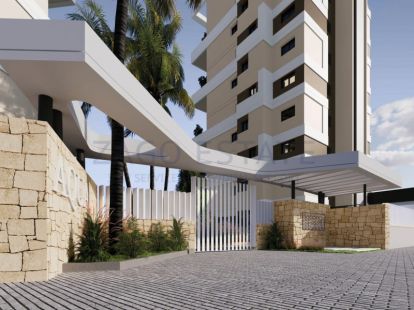
- 90m2
- 3
- 2
 Calpe, Spain
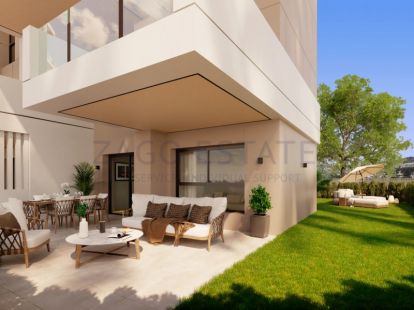
- 60m2
- 2
- 2
Calpe, Spain

- 150m2
- 2
- 2
Marbella, Spain

- 87m2
- 3
- 2
Estepona, Spain
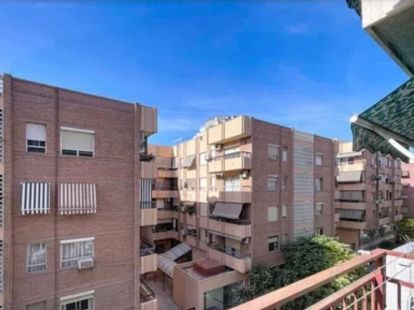
- 75m2
- 2
- 3
Alicante, Spain
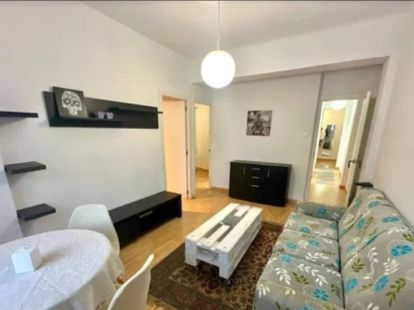
- 72m2
- 3
- 2
- 2
Alicante, Spain
 Lloret de Mar, Spain

- 491m2
- 4
- 5
Benidorm, Spain
Comparative methodology and location choice
Choosing between the two coastlines requires an analysis not only of prices but also of "infrastructure provision". Costa Blanca (Alicante, Benidorm, Calpe, Denia, Altea, Moraira, Santa Pola) is a classic resort region with a developed network of modern condominiums. For the buyer, it is important to understand that a property 500 metres from the beach in El Verger or 250 metres away in Punta Prima will have different investment dynamics. At the same time, on the Costa del Sol (Málaga, Marbella, Fuengirola, Estepona, Mijas, Benalmádena), the transaction architecture is more complex: duplexes, luxury penthouses and gated communities are more common here. A comparison of Torrevieja and Fuengirola shows that rental costs on the Blanca are 32% lower, making the region more attractive for long-term ownership with a view to redevelopment.
Property analysis: from affordable housing to luxury class
The catalogue of offerings in 2026 is extremely diverse. In the segment up to €400,000 on the Costa Blanca, new apartments in residential complexes (urbanisations) predominate, where infrastructure (pool, garden, garage) is built into the project. For example, modern complexes in La Marina or Punta Prima offer homes from 70 m² with extensive communal areas. In the segment above €500,000 (where the "golden visa" previously applied), competition intensifies. Here, penthouses in Calpe or Benidorm offer panoramic features that cannot be replicated in other locations. It is critically important for the buyer to look at energy efficiency: in 2026, this is the main factor in future liquidity.
Comparing infrastructure and lifestyle
The difference between the regions lies in the "social fabric". Costa Blanca is a comfortable environment for retirees and families, where life flows slowly. Costa del Sol is a hub for active people who appreciate yacht clubs, elite golf courses and a vibrant nightlife. Transport connectivity also plays a role: the presence of AVE high-speed trains in the south of the country makes it easier to move between major centres, which is valued by remote workers. At the same time, both zones provide an exceptional climate, but for those seeking milder winters, Marbella and Estepona can offer a unique microclimate that is slightly warmer than on the northern part of the Blanca coast.

Practical aspects of buying in 2026
Any purchase of real estate in Spain today is inextricably linked to legal residency statuses. Although the "golden visa" programme has undergone changes, residency permits for financially independent persons (without the right to work), the Digital Nomad visa, and start-up visas remain relevant. When choosing an apartment, it is important to consider not only the property itself but also the possibility of obtaining residency through an investment in housing, if the property meets the criteria. The tax aspect also cannot be ignored: as a non-resident, you are obliged to pay an annual property tax. Therefore, when calculating your budget in 2026, it is important to factor in an additional 10–12% for taxes and transaction costs, not just the pure property price according to the catalogue.
Security and asset verification
The main risk in 2026 is buying assets that may turn out to be "frozen" due to legal disputes. Using professional agents, checking the nota simple (registry extract), and the mandatory presence of a notarial deed are the "gold standard". For those choosing new builds, it is important to ensure that the developer has all the necessary insurance guarantees (decenal). On the Costa Blanca, the market is more standardised, whereas on the Costa del Sol, luxury property transactions require a thorough check of the title deed history. Insurance against squatters and non-payment of rent is also becoming a standard requirement for investors who plan to rent out the property in the owner's absence.
Final buyer action algorithm
-
Coast selection: Costa Blanca for maximum ROI on affordable properties (family format); Costa del Sol for dynamic capital value growth (luxury format).
-
Parameter analysis: Prioritise properties with above-average energy efficiency and a distance of up to 500 m from the sea.
-
Financial planning: Consider not only the price (range €169,000 – €4,950,000) but also monthly maintenance costs (utilities, taxes, insurance).
-
Legal audit: Mandatory check of the possibility of legally renting out the property (obtaining a licence).
-
Final decision: Buying an apartment by the sea is not just about square metres; it is about buying access to Spain's infrastructure, which in 2026 remains one of the most stable in Europe.