Buying an Apartment in Spain in 2026: An Expert Guide for Buyers
- Market Realities and Property Selection
- Strategic Analysis of the Spanish Real Estate Market in 2026
- Regional Price Map: Where to Look for Property in 2026
- Comparative Analysis: New Build vs Resale Property
- Legal Framework and Transaction Algorithm
- Step-by-Step Algorithm: Purchase by Power of Attorney (Remote)
- Step-by-Step Algorithm: From Tax Number to Keys
- Finances, Risks and Advice for Buyers
- Mortgages for Non-Residents: 2026 Conditions
- Fatal Mistakes and Investment Protection
- Property Selection Strategy: Decision Flow
- Final Safety Checklist for Buyers
Market Realities and Property Selection
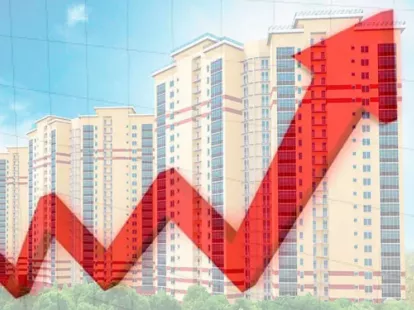
Spain's real estate market in 2026 is undergoing a major transformation driven by structural changes in the country's economy and growing demand from international buyers. Buying an apartment here has long ceased to be a simple acquisition of square metres by the sea — it is a complex financial operation requiring consideration of macroeconomic factors, tax reforms, and strict legal protocols. This year, we are seeing steady price growth of 5–12% in key locations, caused by a shortage of quality supply. Understanding how the Spanish market works is becoming a necessary condition for protecting capital and successfully implementing an investment strategy as a non-resident.
Strategic Analysis of the Spanish Real Estate Market in 2026
The current market landscape is characterised by a pronounced imbalance. On one hand, we see high demand fuelled by interest from digital nomads; on the other, a physical limitation of space in popular cities such as Barcelona, where the sea and mountains create an insurmountable barrier to expansion. In 2026, there is a housing shortage exceeding 600,000 units, creating a 'seller's market'. For the buyer, this means the need to make decisions faster and rely on accurate data rather than emotional expectations. The price forecast for 2026–2027 points to continued moderate growth, making entering the market now strategically justified for long-term ownership.
Regional Price Map: Where to Look for Property in 2026
The geography of investment in Spain is highly heterogeneous, and the choice of region directly determines the future liquidity of the property. Barcelona remains the flagship of the premium segment, with average prices per square metre ranging from €4,500 to €5,500, and up to €9,000 in the centre. Madrid acts as a business hub with high rental yields, offering similar price ranges. Meanwhile, Valencia has become a 'golden mean' for many foreigners — at a cost of €2,500–€3,500 per metre, the city offers developed infrastructure. Málaga and the Costa del Sol remain a priority for those seeking holiday property, while Alicante on the Costa Blanca offers the most affordable prices (€2,000–€3,000 per metre) for entry into the seaside housing segment.
Comparative Analysis: New Build vs Resale Property
The choice between 'obra nueva' (new build) and 'segunda mano' (resale property) is not just a matter of aesthetics but also of tax optimisation. In 2026, new builds are 20–35% more expensive, yet they boast high energy efficiency (class A-B), reducing utility bills by 50–65%. The buyer of a new build receives a ten-year insurance policy (Seguro Decenal) covering structural defects. From a tax perspective, new builds are subject to VAT (IVA) of 10% and stamp duty (AJD), whereas resale property requires payment of the property transfer tax (ITP), ranging from 6% to 10% depending on the autonomous community.
| Comparison Parameter | New Build (Obra Nueva) | Resale Property (Segunda Mano) |
|---|---|---|
| Cost | 20–35% higher | More affordable |
| Taxes | IVA (10%) + AJD (1-1.5%) | ITP (6-11% depending on region) |
| Energy Efficiency | Class A-B | Often E-F |
| Risks | Delays in completion | Hidden defects |
| Yield | High upon resale | High for rental income |
Срочная продажа
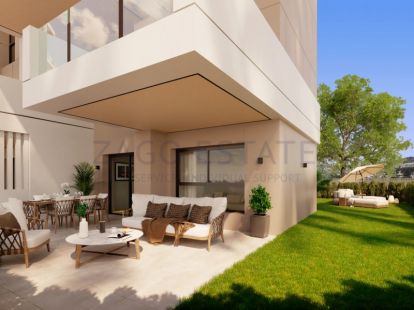
- 90m2
- 3
- 2
 Calpe, Spain
- 60m2
- 2
- 2
Calpe, Spain

- 150m2
- 2
- 2
Marbella, Spain

- 87m2
- 3
- 2
Estepona, Spain
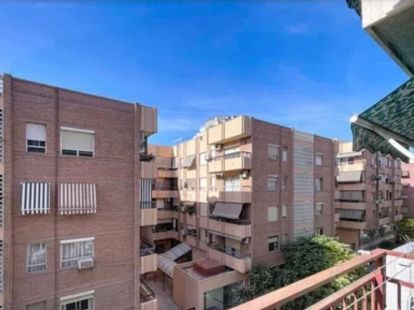
- 75m2
- 2
- 3
Alicante, Spain
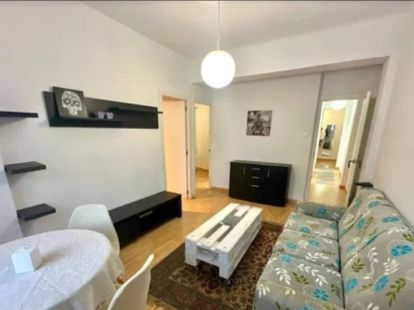
- 72m2
- 3
- 2
- 2
Alicante, Spain
 Lloret de Mar, Spain

- 491m2
- 4
- 5
Benidorm, Spain
Legal Framework and Transaction Algorithm
To communicate confidently with Spanish agents and lawyers, you must understand the basic terminology. NIE (Número de Identidad de Extranjero) is the foreigner's identification number, without which financial operations are impossible. Nota Simple is an official extract from the Property Registry containing the complete history of the property. Escritura Pública is the notarial deed of sale, the main document confirming your ownership. Arras is the preliminary deposit agreement setting out the terms of the transaction. IBI (Impuesto sobre Bienes Inmuebles) is the annual municipal property tax. Comunidad de vecinos refers to monthly building maintenance fees. Understanding these terms at an expert level will protect you from being sold unnecessary services and help you control the process at every stage.
Step-by-Step Algorithm: Purchase by Power of Attorney (Remote)
Many non-residents prefer to complete the transaction without being physically present. The remote purchase process begins with the execution of a power of attorney (Poder Notarial). You can do this at a Spanish consulate in your country or with a local notary followed by an apostille. The power of attorney must include the right to obtain an NIE, open a bank account, and sign the purchase agreement. It is important to understand: delegating authority to a lawyer (abogado) is the only way to conduct a full due diligence remotely. The lawyer on your behalf requests the Nota Simple, checks for any debts to the tax office and utility companies, and ensures that the seller has no encumbrances on the property. This eliminates the risk of buying a 'pig in a poke'.
Step-by-Step Algorithm: From Tax Number to Keys
The procedure for purchasing real estate for a non-resident in Spain is strictly regulated and requires sequential completion of all stages to minimise risks. The first step is obtaining an NIE (Número de Identidad de Extranjero), without which no transactions can be made. In parallel, you must open a bank account, which will be used to pay taxes and bills. The search for a property should begin through trusted portals, but the final check must only be carried out with the help of a professional lawyer. Due diligence includes an analysis of the Nota Simple extract — the main document confirming the property's clean status, the absence of encumbrances, mortgage liens, and the seller's tax debts, which could otherwise fall on the new owner.
Finances, Risks and Advice for Buyers
Buyers often make a strategic mistake by focusing only on the advertised price. In Spain, closing costs amount to between 12% and 15% on top of the property price. Taxes on resale purchases (ITP) vary widely: in Madrid it is 6%, in Catalonia, Valencia and Andalusia – 10%. However, reduced rates exist (for example, 5% in Catalonia for young buyers under 33 with income up to €36,000). Notary and registration fees add another 0.7–1%. It is also important to consider the IBI tax, which ranges from 0.4% to 1.1% of the cadastral value annually. A clear understanding of the tax nuances of a specific province allows you to save thousands of euros even before starting your property search.
Mortgages for Non-Residents: 2026 Conditions
Obtaining a mortgage as a non-resident in 2026 is quite achievable if your financial transparency does not raise doubts with the bank. Spanish giants such as Santander, BBVA or Sabadell lend up to 60–70% of the appraised value (tasación). Interest rates this year have stabilised at 3–5% for fixed-rate programmes. Banks require proof of income for the last two years (tax returns, bank statements, employment contracts). It is important to remember: the appraiser (tasador) is appointed by the bank, and their valuation is often lower than the price you see on Idealista. Factor this gap into your down payment calculation – it should be at least 30-40% of the actual purchase price plus 15% for taxes.
Fatal Mistakes and Investment Protection
Analysis of 2026 transactions shows that most problems arise from neglecting checks. The most common mistake is signing an Arras contract without analysing the Nota Simple for utility debts. The second mistake is buying a property for rent without checking the tourist licence. In several cities (for example, Barcelona or Valencia), strict moratoria have been introduced, and without a valid licence the property loses up to 40% of its investment appeal. It is also dangerous to transfer money directly to the seller without the involvement of a notary or before signing the Escritura. Always use escrow mechanisms or direct bank transfers under the supervision of a notary's office – this is the gold standard of capital protection in Spain.
Property Selection Strategy: Decision Flow
How to choose your ideal option? Start by defining your goals. If your goal is permanent residence (PMP), priority should be given to areas with developed infrastructure, schools, and proximity to transport hubs. If it is an investment – analyse the yield in a specific neighbourhood, the availability of a short-term rental licence, and proximity to tourist attractions. In 2026, there is high demand for apartments with terraces and quality communal areas (pool, garden), as these properties appreciate best on resale. Do not be afraid to negotiate – in Spain, this is part of transaction culture, and a discount of 5–10% off the advertised price is normal even in conditions of supply shortage.
Final Safety Checklist for Buyers
To conclude the process, ensure you have in hand: 1) A copy of the signed Escritura registered in the Property Registry (Registro de la Propiedad); 2) The tax payment receipt (ITP/IVA); 3) Confirmation of change of ownership with the utility companies (electricity, water, gas, comunidad). Spain remains one of the most attractive countries in Europe, and with the right approach, buying an apartment here will be a solid investment in your future. Do not rush. The market is short of supply, but haste is the main ally of fraudsters. Careful documentation, working with a local lawyer, and understanding all hidden costs will allow you not just to buy a home, but to become a full-fledged property owner in one of the most comfortable countries in the world.