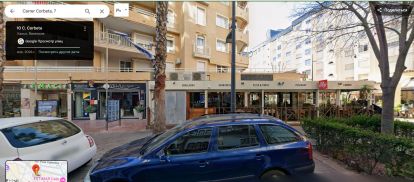
Cheap property in Spain
Budget property in Spain in 2026 is no longer studios for 60,000 euros, as was written a couple of years ago: the average price in the country has risen to 2,823 euros per m² (up 15.8% year-on-year), and the fastest price growth is in Spain's most budget-friendly regions – Murcia added almost 25% in just one year. The most affordable options by the sea in Spain are Torrevieja, the Costa Cálida in Murcia, and the coast of Almería. The cheapest overall are inland regions such as Extremadura and Castilla-La Mancha, but without the sea. Below are current prices by region in Spain, which option suits whom, and what to look for in a listing.
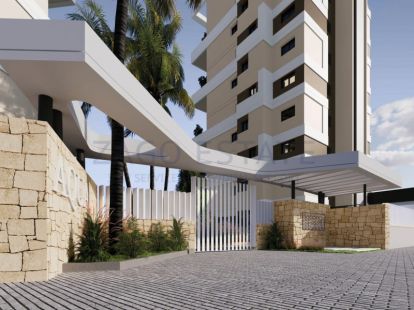
- 90m2
- 3
- 2
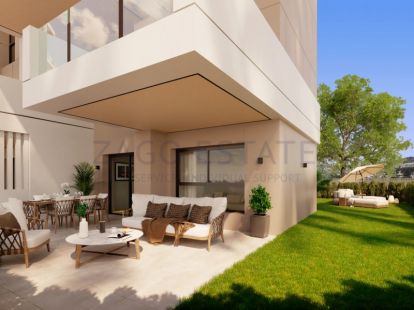
- 60m2
- 2
- 2

- 87m2
- 3
- 2
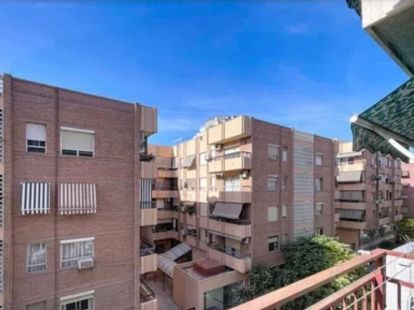
- 75m2
- 2
- 3
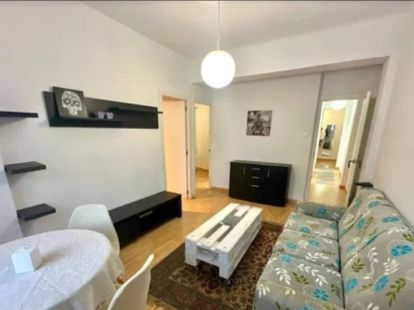
- 72m2
- 3
- 2
- 2

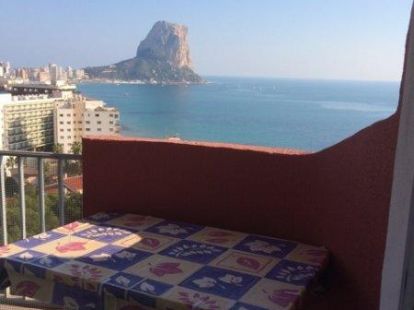
- 70m2
- 3
- 1
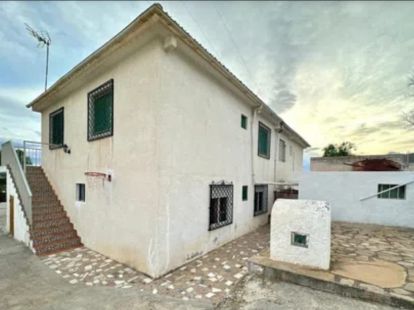
- 150m2
- 2
- 4
- 2
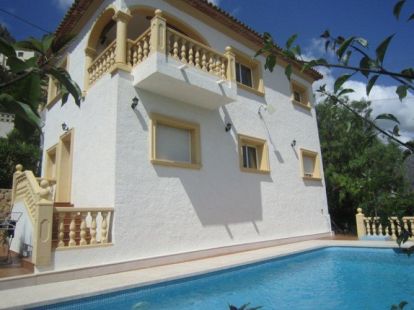
- 200m2
- 4
- 3
- 50m2
- 2
- 2
- 3
- 1
- 60m2
- 2
- 2
- 2
- 2
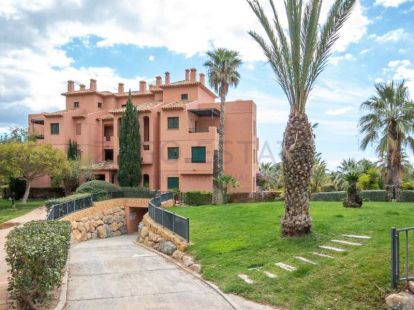
- 2
- 2
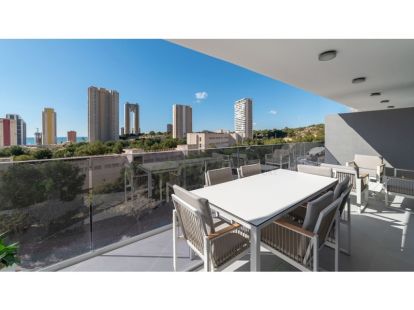
- 2
- 2
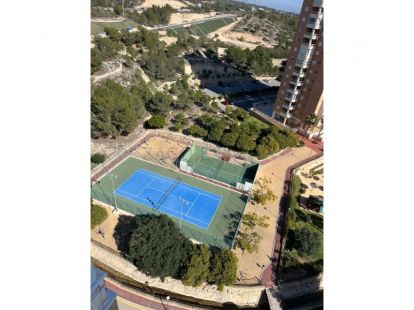
- 2
- 2
| Region / City | Price and Property Type | Suitable for | Price Dynamics |
|---|---|---|---|
| National average | 2,823 EUR/m2, secondary market | general benchmark, not the price of a specific property | +15.8% year-on-year, June 2026 |
| Torrevieja, Costa Blanca | from 60,000 EUR, studio or 1-bedroom apartment | for those who want Russian-speaking infrastructure and proximity to Alicante airport | select listings from 45,606 EUR, but these are rare and often require renovation |
| Murcia, Costa Cálida (San Pedro del Pinatar, Mazarrón, Campol) | from 75,000 EUR, apartment or townhouse | for those willing to take a risk on the fastest-growing budget coastal market | the region is rising faster than the national average – plus 24.6% year-on-year |
| Almería (Oria, Palomares, Roquetas de Mar) | from 70,000 EUR, apartment or house | for those seeking quiet beaches without tourist crowds | provincial average 1,672 EUR/m2, plus 10.7% year-on-year |
| Castilla-La Mancha (Cuenca, Ciudad Real, Toledo) | from 35,000-45,000 EUR, spacious house in a village | for those who need maximum space and don't need the sea, ready to drive | among the lowest prices per square metre in the country, growth milder than coastal regions |
| Extremadura (Cáceres, Mérida) | from 1,050 EUR/m2 | officially the most affordable region in the country, for relocation, not for seaside holidays | still below 1,100 EUR/m2, but higher than a couple of years ago |
| Madrid (for comparison) | approx. 5,960-5,984 EUR/m2 | not a budget segment – for reference, for contrast | all-time high, June 2026 |
Property Transfer Tax Differs by Region by Up to 7 Times
The Property Transfer Tax (ITP) when buying secondary market property in Spain is not a single rate, but ranges from 4% to 13% depending on the region. In Madrid, it is 6% — one of the lowest rates in the country. In Catalonia, a progressive scale applies: 10% for transactions up to 600,000 euros, 11% up to 900,000, and higher thereafter. In the Valencian Community, where Torrevieja is located, the rate is 9% for properties under 1 million euros and 11% above that threshold. In Andalusia, it is a fixed 7% regardless of the amount.
What to check: the ITP rate specifically in the Spanish region where the property is located, not the national average — the difference between Madrid and Catalonia reaches 7 percentage points on the same transaction amount.
On top of any rate in Spain, notary fees, property registry registration, and legal fees are added. Together with the tax, this amounts to 10-13% above the listed price. This is exactly the amount that buyers, who only look at the advertised price, most often forget to budget for.
Golden Visa Is Closed: What Actually Works for Budget Property
Many articles about budget property in Spain still write that the Golden Visa is available for investments from 500,000 euros. This is outdated information. The programme for property buyers in Spain was closed on 3 April 2025: new applications on this basis are no longer accepted in any region of the country. The real working option for an owner of a budget apartment or house is the Non-Lucrative Visa (No Lucrativa): owning property does not automatically grant residency, but it becomes a significant advantage when applying, provided the applicant proves income from other sources. A direct property purchase is not sufficient to obtain residency status at any price.
In short: a studio for 60,000 euros in Spain does not replace a visa — it is merely part of the documentation package for the Non-Lucrative Visa.
Land in Spain — a Rare Exception Among Southern European Countries
In Bulgaria and Montenegro, a foreigner cannot register land in their own name directly — a local company is required. In Spain, there is no such restriction. A buyer from any country registers the land, house, or apartment in their own name without intermediaries. The exceptions are protected natural areas and border military zones in Spain, but such plots are almost never found on the budget market.
What Lies Behind a Price Below 70,000 Euros
A seaside apartment below 70,000 euros in Spain in 2026 almost always requires additional investment beyond the listed price: old wiring, plumbing from the Soviet-era standard of Spanish homes from the 1970s and 1980s, no air conditioning, and windows that often need replacing. Renovating a 40-50 m2 studio costs between 8,000 and 15,000 euros depending on the scope of work. This amount should be factored in on top of the advertised price from the start, rather than left as a surprise after viewing. A listing note saying 'needs refreshing' or 'authentic interior' in practice usually means major, not cosmetic, renovation.
Important: the year of the last renovation of the entire building, not just the apartment — this is what determines future community fees.
Apartments, Townhouses, Bungalows: What's the Difference in the Budget Market
Apartments, townhouses, and bungalows on the Spanish budget market are not interchangeable terms — they represent different levels of privacy and different costs. Apartments in a residential complex share an entrance, a lift, and often a pool with neighbours. Plus an annual community fee for maintaining these areas. A townhouse has its own entrance and usually a small private patio, but shares a wall with the neighbouring house on one or both sides. A bungalow is a single-storey detached house, most often on the front line in Spanish complexes for permanent living, with no upstairs or downstairs neighbours at all. For tourist rentals, apartments in a complex with a pool are more liquid — it is the pool, not the size of the apartment, that most often makes the difference when choosing between similar listings.
Cheap in the Inland — but Far from Infrastructure
A house for 35,000 euros in the inland of Castilla-La Mancha or Extremadura saves on price, but not on distances. In small Spanish villages, the nearest school, pharmacy, or bus stop with a regular schedule may be in the neighbouring town 10-15 minutes away by car, rather than within walking distance as by the sea. A hospital with a full range of specialists is usually only available in the regional capital — Cáceres, Mérida, Cuenca, or Toledo. Not in the village itself. For seasonal holidays, this is not critical, but for year-round relocation without a car, such a house is not practical.
Conclusion: saving on the price per square metre translates into fuel costs and travel time — both parameters need to be considered together.
Mortgage calculator
Our offices in Spain