Dominican Republic on the World Map Where is it: Location, Climate, Real Estate Prices and Resorts
The Dominican Republic occupies the eastern part of the island of Haiti in the Caribbean Sea. The area of the country is 48.7 thousand square kilometers, the population is more than nine million people. The capital is Santo...

Where Is the Dominican Republic: Geography and Unique Location
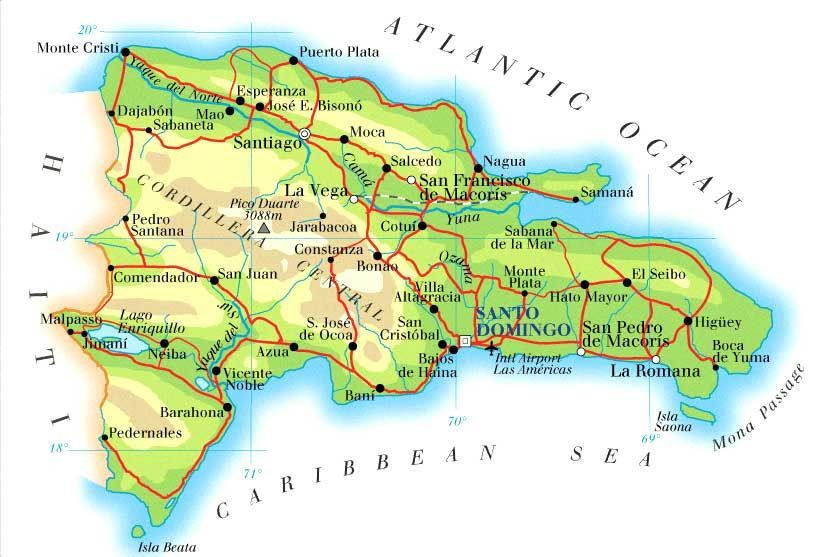
The Dominican Republic is located in the heart of the Caribbean, occupying the eastern two-thirds of Hispaniola, the second-largest island in the Greater Antilles. It shares a land border with Haiti to the west, while the Atlantic Ocean borders the northern coast and the Caribbean Sea stretches along the south. This privileged location creates two distinct coastlines with different landscapes, sea conditions, and travel experiences, making the country one of the most diverse destinations in the Caribbean.
Situated at approximately 19° North latitude and 70° West longitude, the Dominican Republic lies just 150 km (93 miles) from Puerto Rico across the Mona Passage and within easy reach of Cuba and the Bahamas. Covering 48,670 km² (18,792 sq mi), the country also includes the picturesque islands of Saona and Catalina, famous for their protected marine parks, coral reefs, and crystal-clear turquoise waters. Its central Caribbean location provides convenient direct flights from the United States, Canada, Europe, and Latin America, making it one of the region's most accessible holiday destinations.
Geography is one of the country's greatest strengths. Beyond its world-famous beaches, the Dominican Republic offers mountain ranges, tropical rainforests, waterfalls, fertile valleys, mangrove wetlands, and national parks rich in biodiversity. Visitors can explore Pico Duarte, the highest mountain in the Caribbean at 3,087 meters (10,128 ft), discover the unique ecosystem of Lake Enriquillo, or visit centuries-old colonial landmarks in Santo Domingo, the oldest continuously inhabited European city in the Americas. This remarkable combination of nature, history, and modern tourism infrastructure makes the country attractive not only for vacations but also for relocation and long-term investment.
The Dominican Republic enjoys a tropical maritime climate, allowing visitors to travel comfortably throughout the year. Average daytime temperatures range between 25°C and 30°C (77°F–86°F), while sea temperatures remain pleasantly warm, varying from approximately 24°C (75°F) in February to 29°C (84°F) in August. The dry season, from December to April, offers sunny weather, lower humidity, and ideal conditions for sightseeing, beach holidays, golf, and outdoor activities. The green season, from May to November, is characterized by short tropical showers that are usually followed by sunshine, leaving plenty of time to enjoy the country's beaches and natural attractions.
Thanks to its consistently warm weather, year-round swimming conditions, and unique position between the Atlantic Ocean and the Caribbean Sea, the Dominican Republic remains one of the most popular destinations in the Caribbean for travelers, digital nomads, retirees, and international property buyers alike.
Срочная продажа
- 400m2
- 3
 Cabarete, Dominican Republic
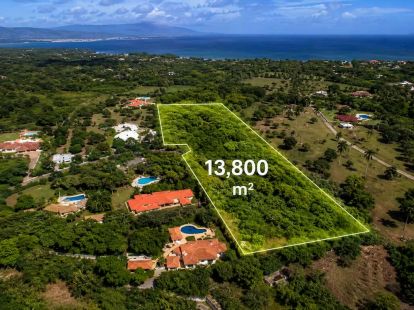
- 13 800m2
Sosua, Dominican Republic
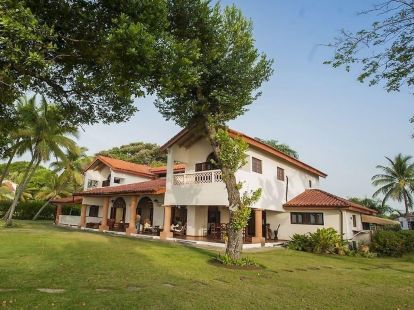
- 840m2
- 2
- 9
- 7
Sosua, Dominican Republic

- 400m2
- 1
- 5
- 5
Sosua, Dominican Republic
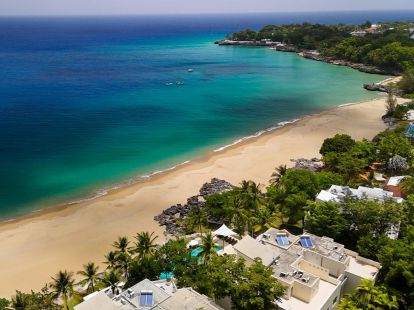
- 246m2
- 2/3
- 3
- 3
Sosua, Dominican Republic
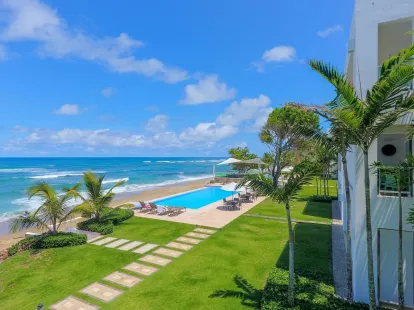
- 169m2
- 3
- 3
- 2
Cabarete, Dominican Republic
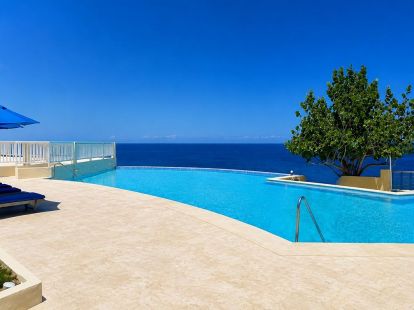
- 125m2
- 2
- 3
- 2
Sosua, Dominican Republic
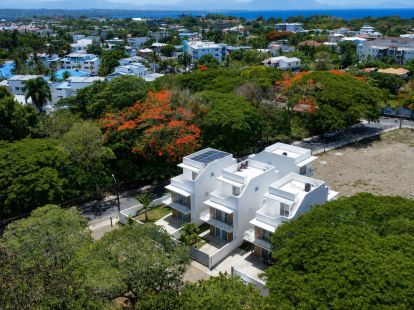
- 193m2
- 2
- 3
- 4
Sosua, Dominican Republic
Resorts, Attractions, and Infrastructure
One of the biggest advantages of the Dominican Republic is that every region offers a different travel experience. Instead of concentrating all tourism in one location, the country has several well-developed resort areas, each with its own atmosphere, beaches, and attractions.
On the eastern coast, Punta Cana remains the country's best-known resort destination. Home to Bávaro, Cap Cana, and Uvero Alto, this region is famous for its white-sand beaches, turquoise waters, luxury all-inclusive resorts, championship golf courses, and Punta Cana International Airport (PUJ), which welcomes millions of international visitors every year. Calm waters and modern infrastructure make it an excellent choice for families, honeymooners, and first-time visitors.
The northern Atlantic coast offers a completely different setting. Puerto Plata, Sosúa, and Cabarete attract travelers looking for a more active holiday. Cabarete is internationally recognized for kitesurfing and windsurfing thanks to its steady ocean winds, while Sosúa is known for snorkeling and diving among coral reefs. Further east, the Samaná Peninsula combines tropical forests, secluded beaches, and the spectacular El Limón Waterfall. Between January and March, thousands of humpback whales migrate to Samaná Bay, making it one of the world's best whale-watching destinations.
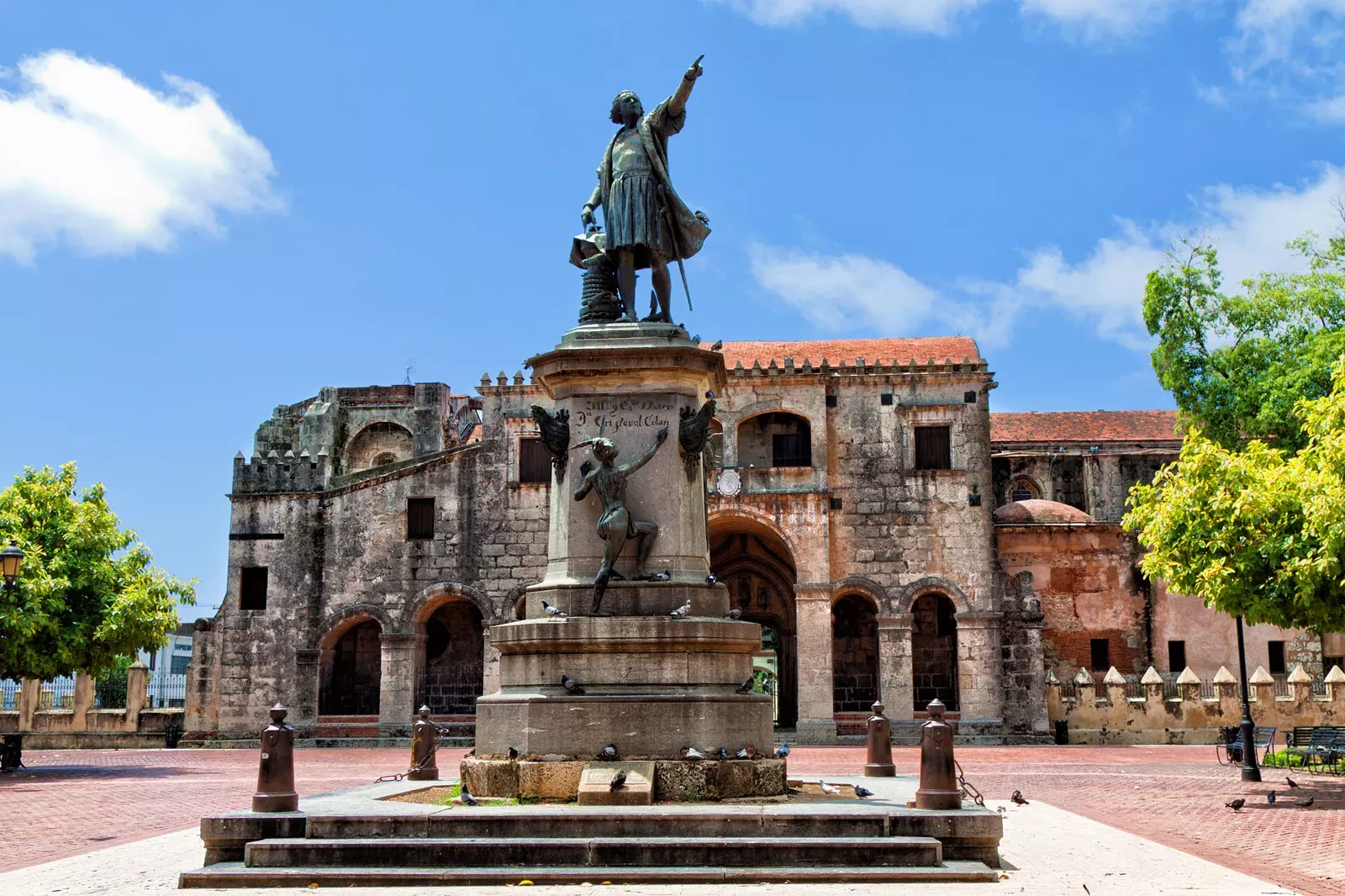
On the southern Caribbean coast, visitors will find La Romana, Bayahibe, Boca Chica, and Juan Dolio. This region is famous for calm turquoise waters, luxury residential communities, international marinas, and easy access to Saona Island, one of the Dominican Republic's most photographed natural attractions. Nearby, Santo Domingo, the country's capital, offers a completely different experience with its UNESCO-listed Colonial Zone, vibrant nightlife, museums, restaurants, and centuries of history dating back to Christopher Columbus.
Beyond its beaches, the Dominican Republic is rich in natural and cultural attractions. Popular destinations include Pico Duarte, the highest mountain in the Caribbean, Los Haitises National Park with its mangrove forests, caves, and limestone islands, Lake Enriquillo, home to crocodiles, flamingos, and rare wildlife, and the protected beaches of Saona Island. History enthusiasts should explore the First Cathedral of the Americas, the Alcázar de Colón, and the Museum of the Royal Houses, all located in Santo Domingo's historic center. This combination of modern tourism infrastructure, outdoor adventure, cultural heritage, and diverse landscapes makes the Dominican Republic much more than a traditional Caribbean beach destination.
Real Estate and Investments in 2026: Prices, Areas, and Prospects
The Dominican Republic's real estate market continues to attract international buyers in 2026 thanks to its growing tourism industry, favorable climate, and competitive property prices compared to many other Caribbean destinations. Whether you're looking for a vacation home, a rental investment, or a permanent residence, the country offers options for almost every budget and investment strategy.
Property prices vary significantly depending on location, proximity to the beach, and available infrastructure. Premium areas such as Punta Cana, Bávaro, Cap Cana, and Casa de Campo in La Romana remain the most expensive markets. New beachfront apartments generally start at $2,500–3,500 per square meter, while luxury villas with private pools and ocean views typically begin at $400,000 and can exceed several million dollars. These locations benefit from strong tourist demand, modern infrastructure, golf courses, marinas, and excellent short-term rental potential.
Buyers seeking better value often explore the northern coast, including Puerto Plata, Sosúa, and Cabarete, where prices for new developments usually range between $1,200 and $1,800 per square meter. The outskirts of Santo Domingo also provide attractive opportunities for residential living and long-term investment, particularly in rapidly developing neighborhoods with improving infrastructure. The market includes modern condominiums with swimming pools and security, beachfront apartments, townhouses, detached villas, and land suitable for residential or commercial development.
For many international investors, accessibility plays an important role when choosing a property. Areas served by Punta Cana International Airport (PUJ) continue to show strong rental demand because of convenient year-round flights from North America and Europe. Well-managed vacation properties in established resort locations can generate average annual rental yields of 6–10%, depending on occupancy rates, management quality, and seasonal demand.
The Dominican Republic is particularly attractive for investors, retirees, digital nomads, and families seeking a second home in the Caribbean. Foreign buyers enjoy the same property ownership rights as Dominican citizens, making the purchasing process straightforward when supported by experienced legal professionals. Before completing a transaction, it is advisable to conduct legal due diligence, verify the property's title, work with a licensed real estate agent, and register ownership through the National Property Registry. Buyers interested in long-term relocation should also review current residency options, as investment may support eligibility under applicable immigration programs.
With a stable tourism sector, expanding infrastructure, and continuous demand for quality accommodation, the Dominican Republic remains one of the Caribbean's most promising destinations for real estate investment. Choosing the right location, understanding local market conditions, and working with qualified professionals can help investors secure both lifestyle benefits and long-term financial growth.