
HERBS MONTENEGRO
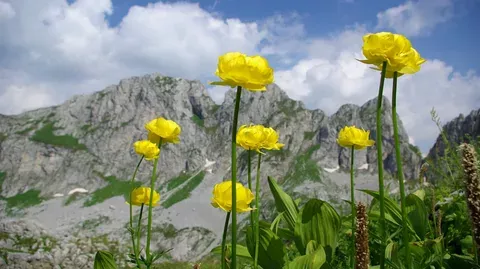
An Open-Air Natural Pharmacy
What Are the Medicinal Herbs of Montenegro and Why Are They Unique
The medicinal herbs of Montenegro represent a unique natural resource concentrated in the relatively small territory of this Balkan state. The concept of "Montenegro's healing plants" encompasses over 3,500 species of flora, a significant portion of which possess proven pharmacological properties. The remarkable phenomenon is that this area, covering only 0.01% of the world's land, contains about 1.2% of the planet's flora. The high concentration of healing species is explained by the region's geographical features. The average altitude of Montenegro above sea level is nearly 1,500 meters, allowing plants to absorb maximum sunlight and ultraviolet radiation. It is ultraviolet light that triggers the synthesis of complex bioactive compounds in plant cells. Furthermore, the dry Mediterranean summer promotes the accumulation of essential oils, while the mountainous terrain ensures abundant night dew and sufficient precipitation during the off-season.
The Historical Heritage of Herbalism in the Balkans
The history of using local herbs dates back to ancient times when these lands were inhabited by Illyrian tribes. Later, Roman legionnaires learned about the astringent and hemostatic properties of yarrow from the local population. During the Middle Ages, monastic medicine actively developed in Montenegro. Orthodox monasteries, scattered across inaccessible mountain slopes, had their own apothecary gardens and gathered wild species. Monks compiled herbal manuals detailing the use of gentian for fever or sage for gargling. Many formulations created within the walls of the Ostrog and Morača monasteries have survived to this day and are now studied by modern pharmacists. It is important to note that Montenegro still preserves traditions of passing down knowledge about gathering and processing plants from the older generation to the younger, especially in the remote northern regions.
Geographical Location and Climatic Growth Zones
The territory of Montenegro is conventionally divided into three climatic regions, each shaping a unique floral composition. The Adriatic coast, with its mild Mediterranean climate, is home to Dalmatian sage, immortelle, and numerous essential oil crops. The central plains around Podgorica and Lake Skadar are famous for the abundance of St. John's Wort and oregano in the wet meadows. The northern regions, including the national parks of Durmitor and Biogradska Gora, are a kingdom of highland meadows where valerian, yellow gentian, and blueberries thrive. This diversity of landscapes over short distances makes Montenegro an ideal destination for botanical tours and collecting raw materials with different flowering periods. You can reach the richest locations from the airports in Podgorica and Tivat, from which routes into the country's interior begin.
Срочная продажа
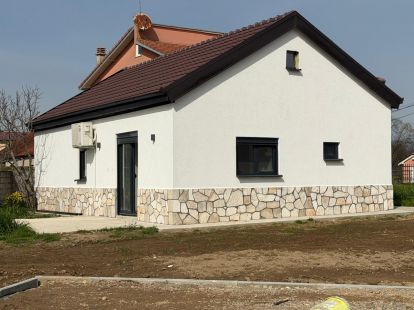
- 80m2
- 1
- 1
- 1
 Podgorica, Montenegro

- 99m2
- 1
- 2
- 1
Podgorica, Montenegro
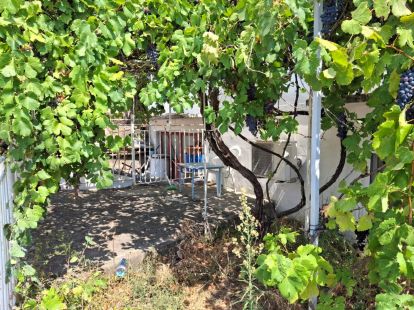
- 91m2
- 1/2
- 2
- 1
Sutomore, Montenegro
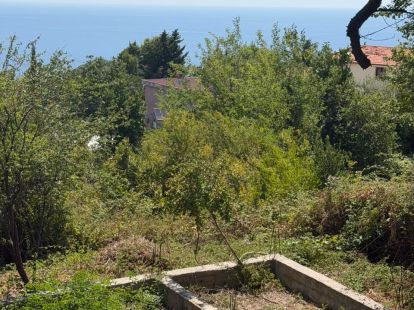
- 332m2
Sutomore, Montenegro
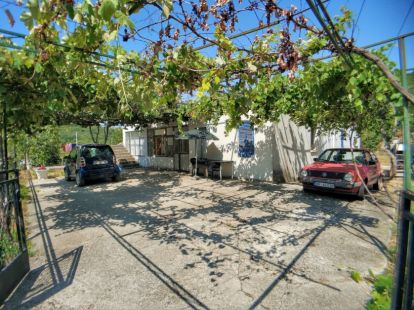
- 192m2
- 1
- 4
- 3
Sutomore, Montenegro
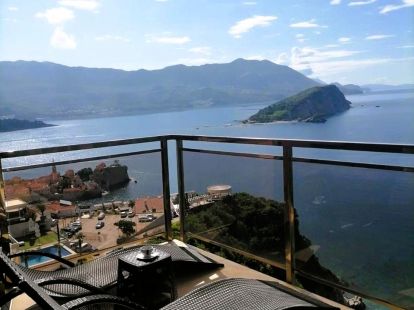
- 78m2
- 5/6
- 1
- 1
Budva, Montenegro
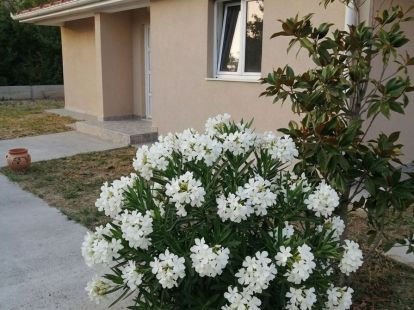
- 130m2
- 1
- 2
- 1
Bar, Montenegro

- 37m2
- 1/4
- 1
Baošići, Montenegro
The Most Valuable Species and Their Practical Application
Dalmatian Sage and Endemics of the Adriatic Coast
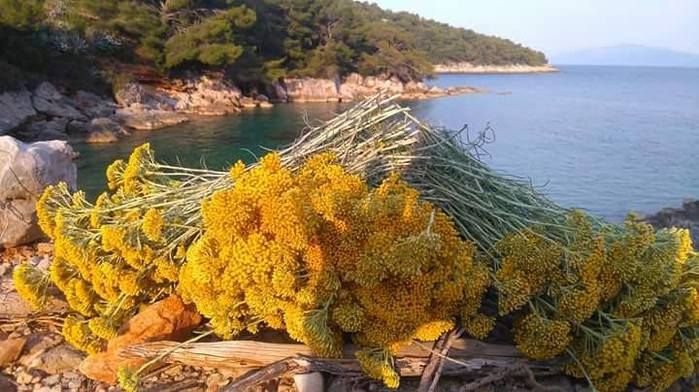
Among all the diversity, a special place is held by Dalmatian sage, which covers the slopes of the coastal mountains. This plant is a true export leader, as its essential oils can suppress over 22 types of bacteria. Sage leaves are collected in dry weather at the beginning of summer when the concentration of beneficial substances peaks. Locals traditionally brew tea for colds and digestive issues. Often found near sage is Italian immortelle, which blooms en masse in late June in the vicinity of Lake Skadar. Its flowers yield a costly essential oil with powerful regenerative properties, used in professional cosmetology for treating scars. The price of such oil on the world market is high, so local collectors prefer to sell the raw material wholesale to pharmaceutical companies.
Mountain Species: From Gentian to Blueberry
As you ascend into the mountains, the composition of plant communities changes. At altitudes above 1,000 meters, you encounter yellow gentian, listed in the Red Book and legally protected. Gathering this plant is strictly regulated, but preparations based on it are widely used to stimulate appetite and treat anemia. Gentian root has a characteristic bitterness that promotes gastric juice secretion. In the same latitudes, on the acidic soils of coniferous forests, blueberries grow. Locals collect not only the berries but also the leaves during flowering. Decoctions of blueberry leaves are used as a mild diuretic and to improve twilight vision. In the northern regions, especially around Pljevlja, blueberry bushes cover vast areas, attracting tourists for berry picking in July and August.
Technical Aspects of Gathering and Processing Raw Materials
To preserve maximum benefits, it is important to follow the gathering rules known to local herbalists. Above-ground parts, such as St. John's Wort flowers or sage leaves, are collected during the budding or early flowering phase. Roots of valerian and telekia are dug up in autumn when all beneficial substances have migrated to the underground part. The raw materials are dried in the shade, under canopies, with good ventilation, as direct sunlight destroys chlorophyll and reduces quality. In Montenegro, the production of oil extracts is popular, such as the famous St. John's Wort oil, which locals call "red oil." The flowers are infused in extra virgin olive oil until a ruby color is achieved, then used for healing wounds and burns. However, fair-skinned tourists are advised not to apply this oil before going to the beach, as it increases the skin's photosensitivity.
Tourist Potential and Practical Recommendations
Excursions and Routes for Flora Enthusiasts
In 2026, Montenegro continues to develop its wellness and botanical tourism sectors. Specialized excursions are popular, including not only sightseeing but also an introduction to the local flora. Tourists are offered routes through Lovćen National Park, where over 200 species of medicinal plants grow. A botanist guide explains each bush, shows how to distinguish St. John's Wort from similar weeds, and what time of day is best to cut yarrow flowers. Another popular destination is the region around Lake Skadar, where in late June the fields are covered with golden heads of immortelle. The cost of such excursions varies depending on the season and duration. Inexpensive group tours start from 25 euros per person, while individual programs with a professional herbalist can cost 100-150 euros.
Where to Buy and What Prices to Expect for Local Products
Natural herbs and blends can be purchased in almost any coastal town or in specialized shops in the central part of the country. At the market in Kotor or Herceg Novi, a wide range is available: from bundles of dried thyme to bottles of essential oils. The price of dried sage or chamomile is usually 2-4 euros per package. Locally produced St. John's Wort oil will cost around 5-8 euros for a small bottle. More expensive items, such as immortelle oil or gentian tincture, can cost 15 euros or more. It is important to understand that prices are higher in the tourist zones of Budva and Kotor. If you want to save money, it's worth heading inland, for example to the city of Nikšić or to villages around Durmitor, where products will be 20-30% cheaper.
Transport Accessibility and Accommodation Areas
The easiest way to reach Montenegro is via the international airports in Podgorica and Tivat. Bus and taxi routes are organized from the airports to all major cities. For botanical excursions, renting a car is most convenient, allowing you to stop at picturesque spots along the roads. Regarding accommodation, the choice of area depends on the purpose of your trip. Expensive resort zones such as Budva, Tivat, or Kotor offer developed infrastructure, but housing prices are higher here, especially during the summer season. Cheaper accommodation can be found in small towns on the coast, such as Sutomore or Ulcinj, or in the continental part of the country. The local currency everywhere is the euro, which is convenient for European tourists. In 2026, a growth in interest in ecological trails and rural tourism is forecasted, so many farms are already offering guest houses with the opportunity to participate in herb gathering.
Final Tips and Precautions
When planning independent gathering, it is necessary to remember legal restrictions. Rare species, such as yellow gentian, are forbidden to pick. Also, do not collect plants near highways or within city limits, as they accumulate heavy metals. It is best to contact locals who know ecologically clean places and can act as guides. When purchasing finished products, pay attention to the packaging and the presence of information in English – this reduces the risk of buying a counterfeit. Montenegro offers a unique opportunity to touch the ancient culture of herbalism, combining a beach holiday with health improvement, and a reasonable approach will allow you to take away from this country not just a tan, but real natural treasures.