
Cathedral Of St. John The Baptist Budva
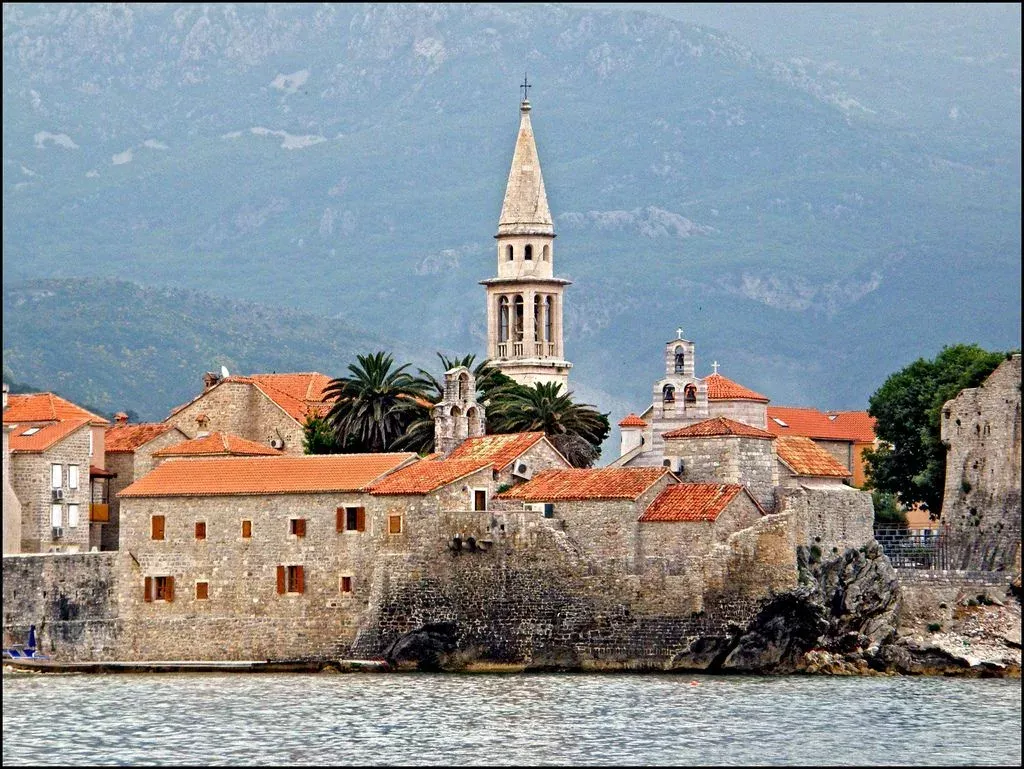
Above the walls and roofs of the Old town in Budva is a bell tower of the Catholic Church of St. John. This Church is located on the largest square in the Old town, which includes the other churches in the Old town of Santa Maria and Punta, St....
What is the Church of St. John the Baptist
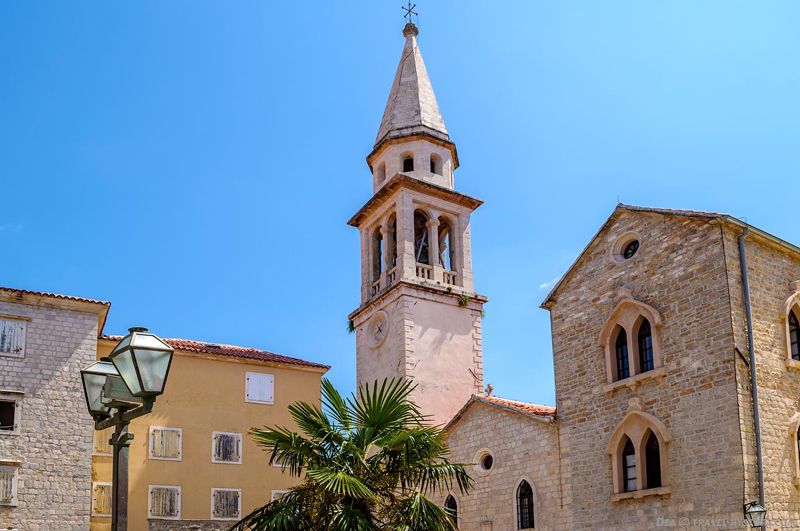
The Church of St. John the Baptist is the main Catholic church in the Old Town of Budva and one of the oldest functioning churches on the Montenegrin Adriatic coast. This is not just an architectural monument, but a true spiritual symbol of the city, whose 36-meter bell tower dominates the panorama and serves as a landmark for tourists arriving in Budva. The church is dedicated to St. John the Baptist, who has been venerated as the city's heavenly patron for over eight centuries. Local residents believe that his intercession and the miraculous icon of the Budva Madonna have protected the city for centuries from enemy invasions, destructive earthquakes, and epidemics, including the terrible earthquake of 1667, after which the church had to be rebuilt. Today it is a three-nave building with a vaulted roof and a side chapel-extension, built in the Gothic style with elements of later reconstructions.
The church is located in the very heart of the Old Town, on the central square, which naturally forms a unique architectural ensemble. Nearby are the Church of Santa Maria in Punta, the Church of the Holy Trinity, the remains of a 5th-century early Christian basilica, and the Bishop's Palace. Such a concentration of sacred architecture in one spot makes the square an exceptional place where different eras and styles intertwine — from late antiquity to the Neo-Gothic style of the 19th century. In summer, cultural life thrives here: the square turns into a stage for performances at the prestigious Grad Teatar festival, thus connecting antiquity and modernity in a single rhythm of Budva's resort life.
Where is the church located and how to get there in 2026
The Church of St. John the Baptist is located within the Old Town of Budva, which is the historical center enclosed by fortress walls. The church stands on the largest square inside these walls, in close proximity to the Citadel — an ancient fortress rising above the sea. The exact address for your navigator: Stari grad, Budva, Montenegro. The landmark is the tall bell tower, visible from almost any point in the city, including the embankment and the beaches of Ricera and Mogren. You can enter the Old Town through the main gate from the city marina or through the southern gate leading from the beach.
Getting to the church for tourists in 2026 will not be difficult thanks to the developed transport infrastructure. The nearest international airport is in Tivat, just 20 kilometers from Budva. A taxi from the airport will cost approximately 25-35 euros and take about 30 minutes. An alternative is Podgorica airport, located 65 kilometers away, where a taxi will cost 50-70 euros, and travel time will be about an hour. Regular buses also run from both airports to the main bus station in Budva, from which you can walk to the Old Town in 10-15 minutes. For those traveling by rental car, it is important to note that entry to the Old Town is closed, and parking is available at paid lots outside its walls, costing from 1.5 to 2 euros per hour depending on the season.
Срочная продажа
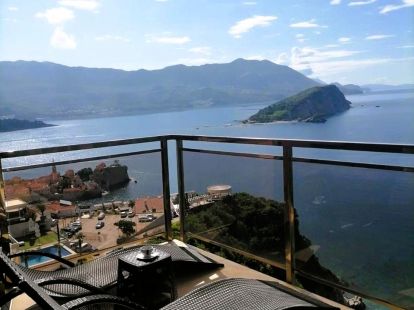
- 78m2
- 5/6
- 1
- 1
 Budva, Montenegro
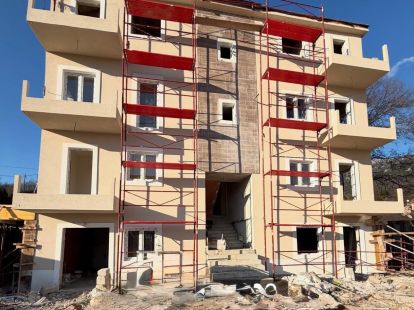
- 69m2
- 2/4
- 2
- 2
Budva, Montenegro

- 298m2
- 3
- 3
- 4
Budva, Montenegro
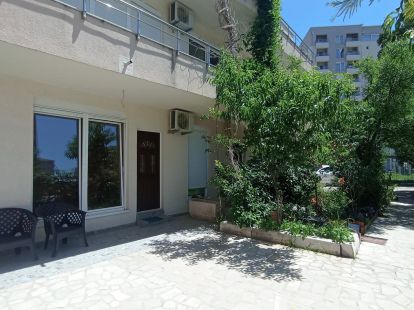
- 537m2
- 4
Budva, Montenegro
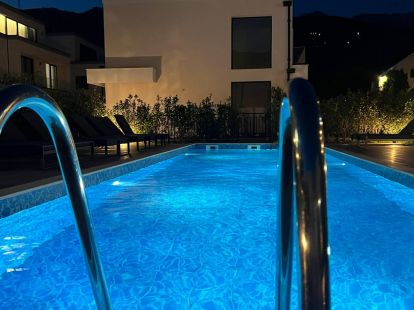
- 167m2
- 3
- 3
- 3
Budva, Montenegro
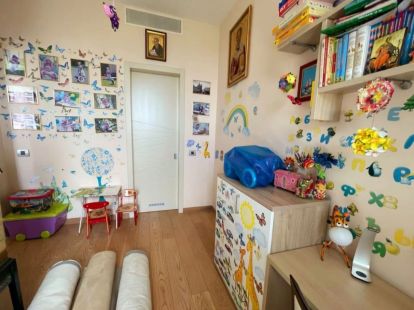
- 123m2
- 3/7
- 2
- 2
Budva, Montenegro
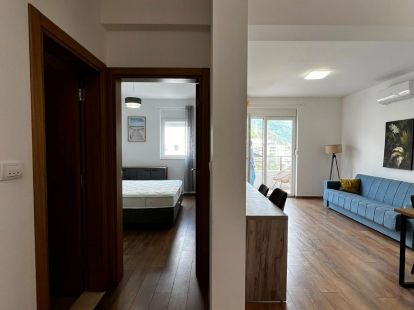
- 47m2
- 2/6
- 1
- 1
Budva, Montenegro
- 94m2
- 5/5
- 2
- 2
Budva, Montenegro
Architectural appearance and sacred treasures
The 36-meter high bell tower as a symbol of the city
The bell tower of the Church of St. John the Baptist is the undoubted dominant feature of Budva's architectural landscape and its most recognizable symbol. It was built much later than the church itself — in 1867, designed by the Tyrolean architect Lukkini, which explains its differences from the main style of the building. The bell tower is exactly 36 meters high and is made of roughly hewn stone, characteristic of the Austrian architectural school of that period. The bell tower has a square base and is topped with an elegant spire, which looks especially impressive in the rays of the setting sun, when the stone acquires a golden-honey hue.
For tourists, climbing the bell tower is a separate adventure. Overcoming a narrow spiral staircase, visitors reach a viewing platform offering a panoramic view of the Old Town, the Bay of Budva, St. Nicholas Island, and the surrounding mountains. The cost of climbing is usually about 3-5 euros, and opening hours vary depending on the tourist season. In 2026, the bell tower is planned to be open daily from 9 am until sunset, but it is best to check the exact schedule on site. This place is ideal for panoramic photography, allowing you to capture the beauty of the Budva Riviera from a bird's eye view.
The Icon of the Budva Madonna and other relics
The main shrine of the church is undoubtedly the icon of the Mother of God with the Child, known as the Budva Madonna or Madonna in Punta. This icon, dating back to the 13th century, is painted on wood and is of great value to both the Catholic and Orthodox communities of Montenegro. According to ancient legend, its author is considered to be the apostle and evangelist Luke himself, but art historians date it to a later period of the Byzantine school. The icon got its name after 1807, when it was moved to this church from the Church of Santa Maria in Punta, saving it from destruction by Napoleonic troops. Local residents believe that the icon has miraculous powers and has more than once averted epidemics and pirate attacks from the city.
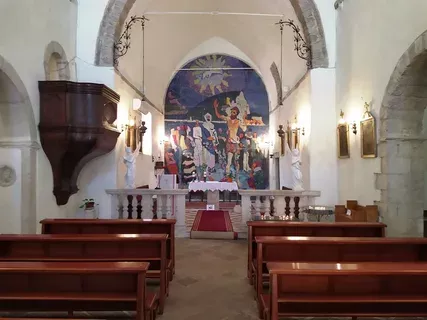
In addition to the miraculous icon, the interior of the church preserves many other artistic treasures. Behind the main altar, made of white marble, is a large mosaic of Murano glass depicting St. John the Baptist, created by Croatian artist Ivo Dulčić. The walls are decorated with paintings from the Venetian school depicting Saints Peter and Paul, as well as icons by Greek masters. Special attention should be paid to the work of Anastasia Bočarić depicting St. Luke. The church also has a rich library with a collection of ancient books and archival documents, which are regularly exhibited in special displays inside the church. Entry to the church is free, but photography inside is strictly prohibited, as warned by signs at the entrance.
The Bishop's Palace and the architectural ensemble of the square
Adjacent to the southern side of the church, facing the Citadel, is the building of the former Bishop's Palace, built in a rough rustic Neo-Gothic style. It was here, until 1828, that the residence of the Budva bishop was located, until the diocese was abolished by the Austrian authorities. The palace is a massive stone structure, now used for various cultural purposes, but retains its historical appearance. Together with the bell tower and the main volume of the church, it forms the unique architectural backdrop of the central square that so attracts artists and photographers from around the world.
The square itself, where the church complex is located, is a unique historical site. Here, in addition to the Church of St. John, you can see the ruins of a 5th-century early Christian basilica with preserved fragments of mosaic floors, testifying to the antiquity of this cult site. On summer evenings, the square comes alive: a stage is set up for performances by the Budva City Theatre, classical music concerts and other events take place as part of the Grad Teatar festival. The stone walls of the ancient buildings create unique acoustics, and the atmosphere of thousand-year history adds special depth and solemnity to each event.
Practical information and life around the church in 2026
What to see near the church for tourists
The location of the Church of St. John in the heart of the Old Town makes it an ideal starting point for exploring the main attractions of Budva. In close proximity is the Citadel — an ancient fortress, which today houses a library, a restaurant, and a viewing platform. Entrance to the Citadel is paid, about 5 euros, but the view from its walls is worth it. Also just steps away are the Church of the Holy Trinity with its characteristic blue domes, belonging to the Serbian Orthodox Church, and the remains of the Church of Santa Maria in Punta, of which only part of the wall survives.
Wandering through the narrow streets of the Old Town, you can pop into numerous souvenir shops selling local crafts, olive oil, and traditional sweets. History lovers should visit the Archaeological Museum, located within the same walls of the Citadel, which exhibits artifacts from the Illyrian period to the Middle Ages, including fragments of that very 7th-century rotunda. After a busy excursion, you can relax in one of the cozy cafes on the square, where a cup of coffee costs about 2 euros, and lunch with a view of the ancient walls costs 15-25 euros per person.
Housing and real estate prices in the Budva area
The issue of buying or renting housing in the Budva area remains relevant for many tourists in 2026. The most expensive offers are undoubtedly concentrated in the Old Town. Apartments in historical buildings, often requiring renovation, sell from 4000 euros per square meter and above, while fully renovated apartments with a sea view can reach 7000-8000 euros per meter. Renting such property in the high season starts from 150 euros per day.
More affordable options are available in the new part of Budva, outside the fortress walls. Here apartment prices range from 2000 to 3500 euros per square meter, depending on the distance from the sea and the quality of finishing. The most budget-friendly are the suburbs — Rafailovići and Bečići, located a few kilometers from the center. There you can find housing from 1500 euros per meter, and apartment rental in the low season starts from 40 euros per day. For those considering buying real estate as an investment, experts forecast price growth in the coastal zone of 5-7% in 2026.
Excursion programs and tours in 2026
In 2026, Montenegrin travel companies offer a variety of excursion programs that include a visit to the Church of St. John. The most popular is a sightseeing walking tour of the Old Town of Budva, lasting about two hours and costing from 20 euros per person in a group or from 50 euros for an individual program. The guide tells in detail about the history of the church, shows key architectural elements, and introduces the legends associated with the miraculous icon.
For those who want to see more, combined tours are offered, such as "Budva and Kotor in one day," costing about 60-80 euros. Such an excursion includes transfer, visiting two historical cities, and seeing their main shrines, including St. Tryphon's Cathedral in Kotor and the Church of St. John in Budva. During the peak tourist season, from June to September, evening photo tours organized at sunset hours are also popular, when the bell tower and old walls are bathed in golden light. The cost of such specialized tours is usually higher and starts from 100 euros for a small group.