Utilities in Apartments in the Dominican Republic

What Utilities Include and How Costs Are Formed
What are utilities in the Dominican Republic and what do they consist of
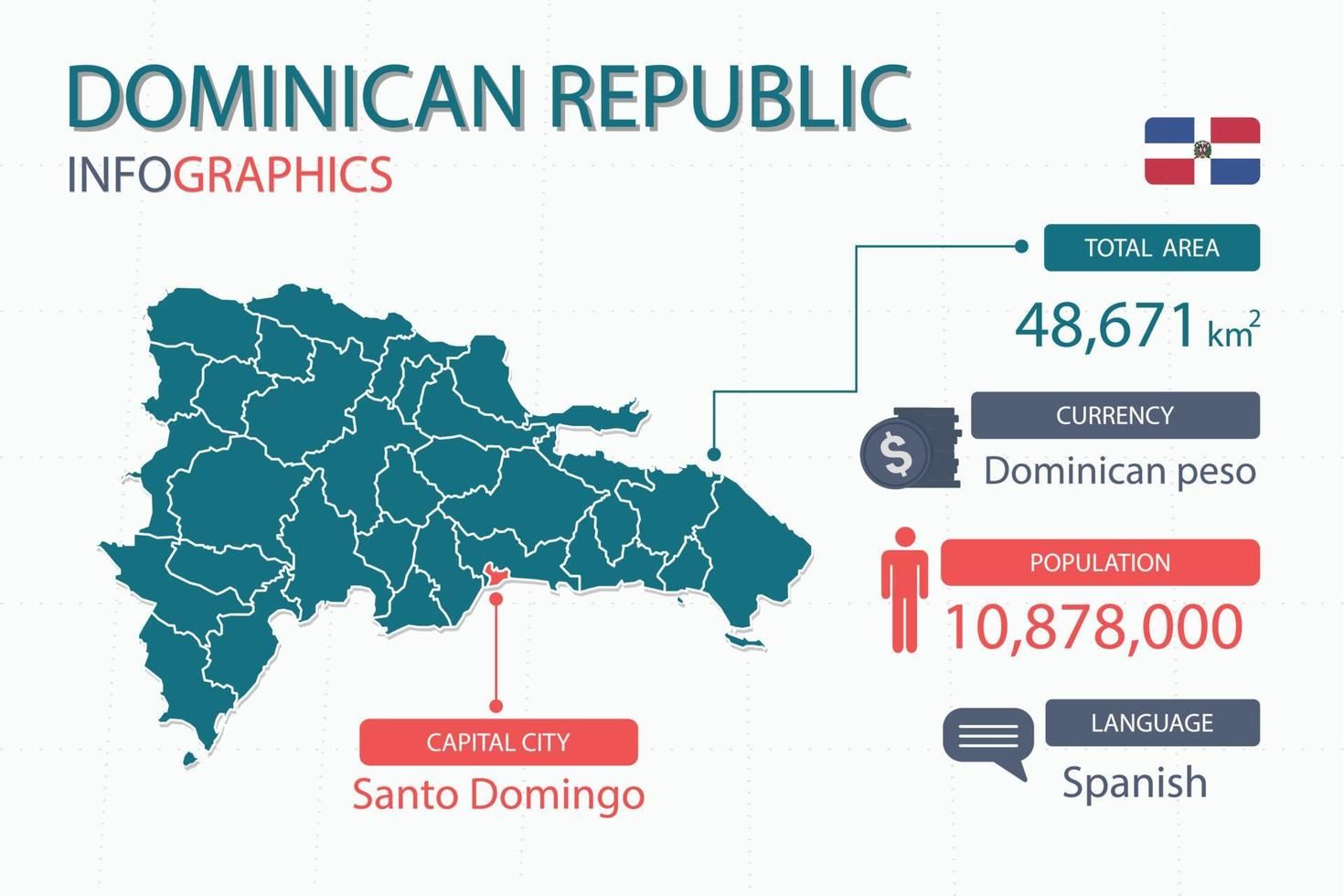
Utilities in the Dominican Republic are regular payments that ensure comfortable living in apartments, houses, or villas. Unlike many post-Soviet countries, there is no single bill that includes everything at once. Payment is divided among several independent providers: electricity, water, internet, gas, and in some cases, property maintenance. For expats and tourists renting housing, it is important to understand what is often included in the rent and what is paid separately. For example, water may be included in the rental cost, especially in furnished apartments, while electricity is almost always paid separately by meter. Inflation in the country is gradually rising, and according to the Central Bank, the consumer price index for housing and utilities in January 2026 reached an all-time high of 126.61 points, reflecting an overall increase in tariffs.
Understanding the structure of utility payments is critical for budget planning. The largest expense item is electricity, and it is also the most unpredictable. Next are internet, drinking water, and, if not included in the rent, garbage collection and property maintenance. The Dominican Republic has a two-tier electricity tariff system, but more on that later. It is important to immediately clarify terms: apartments in condominiums often have additional monthly fees for security and maintenance of common areas (pool, gym), which are either included in the rent or paid separately. When renting a private villa, such fees usually do not exist, but all responsibilities for property maintenance fall on the tenant or owner.
Local currency and methods of paying utilities
The official currency of the Dominican Republic is the Dominican peso. However, in the rental and utility sector, prices are often quoted in both pesos and US dollars, especially in tourist areas like Punta Cana, Las Terrenas, or Cabarete. Bills can be paid either in cash in pesos or through online banking or at payment acceptance points such as OXXO, Jumbo, or La Sirena supermarkets. Most expats prefer to set up automatic payments through their bank or pay bills directly to service providers. It is important to remember that late payments incur penalties, and in the case of electricity, this can lead to disconnection, and reconnection will come at a cost.
When renting apartments, always check with the owner or management company which bills are included in the rent. Short-term rentals (up to 3 months) often include water, internet, and even electricity up to a certain limit. For long-term rentals, the standard practice is for the tenant to pay for electricity and internet separately, while water is either included or paid separately but costs a symbolic amount — around 4-10 dollars per month. The rental deposit is usually one month's rent, and upon moving out, it is important that there are no utility debts, otherwise they will be deducted from the deposit.
Срочная продажа
- 400m2
- 3
 Cabarete, Dominican Republic
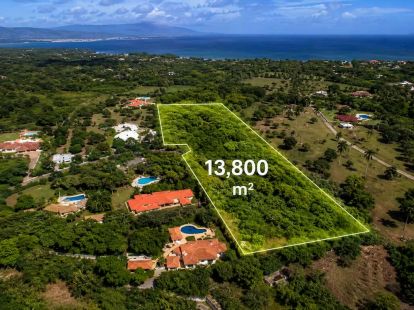
- 13 800m2
Sosua, Dominican Republic
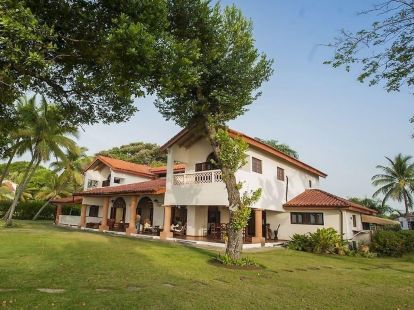
- 840m2
- 2
- 9
- 7
Sosua, Dominican Republic

- 400m2
- 1
- 5
- 5
Sosua, Dominican Republic
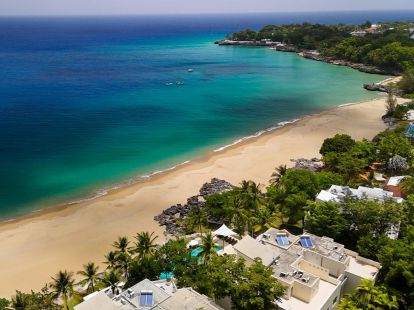
- 246m2
- 2/3
- 3
- 3
Sosua, Dominican Republic
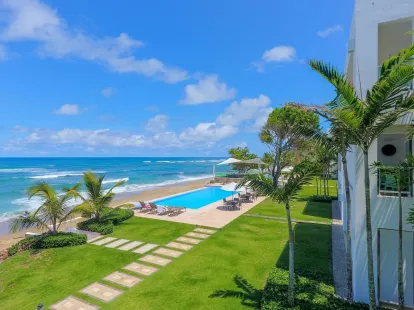
- 169m2
- 3
- 3
- 2
Cabarete, Dominican Republic
- 125m2
- 2
- 3
- 2
Sosua, Dominican Republic
- 193m2
- 2
- 3
- 4
Sosua, Dominican Republic
Detailed Breakdown of Each Expense Item
Electricity: the main expense and how to save on it
Electricity in the Dominican Republic is the most costly and volatile part of utility payments. The cost per kilowatt-hour here is higher than the average in North America, and the main consumer is the air conditioner. As shown by the experience of a real expat, with reasonable electricity use (without constantly running the air conditioner in empty rooms), the electricity bill can be as low as 9-10 dollars per month. However, if you are accustomed to cool air 24 hours a day, be prepared for figures of 100-150 dollars or higher. The previous tenant in one example left a debt of 100 dollars precisely due to thoughtless use of air conditioners and lights. The price of electricity depends on the region and provider, but on average, tariffs are regulated and rise with inflation.
To control expenses, follow a few simple rules. First, turn off the air conditioner when you leave the house or air out a room. Second, use energy-saving light bulbs, which are already installed in most modern apartments. Third, pay attention to the energy efficiency class of household appliances, especially the refrigerator. In some areas, especially in older housing stock, power outages may occur, so many houses and apartments are equipped with generators or inverters. The presence of a generator in a condominium is usually reflected in the monthly maintenance fee, as fuel for it is purchased at the residents' expense.
Water: drinking and utility, what's the difference
Water supply in the Dominican Republic has its own specifics. Utility water that comes from the tap is suitable for showering, washing dishes, and laundry. However, it is strictly forbidden to drink it. For drinking and cooking, absolutely all residents buy bottled water in 5-gallon jugs. The cost of one such jug ranges from 2 to 3 dollars. On average, a family of 2-3 people uses one jug per week. There is a well-developed exchange system: empty jugs can be returned to any supermarket or specialized store, and a full one can be purchased with an additional payment of about 1 dollar. This is convenient and environmentally friendly.
Regarding payment for utility water, the situation is twofold. In apartment complexes and condominiums, water is often included in the rent or in monthly maintenance fees. If water is paid separately, the amount is symbolic and rarely exceeds 4-10 dollars per month. When renting a private house or villa, water may come from a private well, in which case the only charge is for the electricity for the pump, or from the central network, in which case a separate bill arrives. Always clarify these nuances when signing a lease agreement to avoid unexpected expenses.
Internet, gas, and property maintenance
High-speed internet in the Dominican Republic is available almost everywhere expats live. The main providers are Claro and Altice. The cost of unlimited internet with decent speed (30-50 Mbps) is around 23-35 dollars per month. When moving, you can easily transfer your contract or services to a new address, as the author of one blog did, keeping their provider. In some apartments, internet is already included in the rent, especially in housing aimed at short-term rentals for tourists.
Gas for stoves in the Dominican Republic is usually sold in cylinders. Centralized gas supply in residential buildings is practically non-existent. A 25-30 pound cylinder costs about 15-20 dollars and lasts depending on cooking intensity. In some modern complexes, there may be a centralized gas supply system, but this is more the exception. If you rent an apartment, the kitchen will likely have either an electric stove or a stove connected to a small cylinder. When renting a condominium with a pool, gym, and 24-hour security, expect an additional monthly fee (HOA fees), which can range from 50 to 200 dollars per month. This amount includes grounds maintenance, common area lighting, security services, and pool maintenance. Often these fees are already included in the rent you pay the owner, but it's best to check.
Area Analysis, Housing Types, and Hidden Costs
How areas and housing type affect utility costs
The cost of utilities directly depends on where and in what type of housing you live. In tourist areas such as Punta Cana, Las Terrenas, Cabarete, or Sosúa, electricity tariffs may be slightly higher than inland due to grid load. Additionally, rent is higher in these areas, and owners often include utilities in a fixed rate for tourists, which is convenient but may not be beneficial for long-term rentals. In popular places like Sosúa or Cabarete, rent for a one-bedroom apartment ranges from 400 to 800 dollars, with electricity and internet most often paid separately. In upscale gated communities with their own infrastructure, the aforementioned HOA fees are added.
Outside the city or in less touristy areas such as El Limón or Las Galeras, you can rent housing significantly cheaper — from 300 dollars per month. However, there may be issues with water supply quality or power outages here. In such places, having your own generator or inverter becomes not just a convenience but a necessity. Private villas, especially on the coast, require separate consideration: they may have their own wells, septic tanks, and electricity from the grid or solar panels. This places responsibility on the tenant for maintaining these systems, although this usually falls under the duties of the property manager.
Hidden costs and payment rules for residents and non-residents
When budgeting for utilities in the Dominican Republic, it is important to consider several hidden factors. First, when renting an apartment in a condominium, there may be a non-refundable deposit for electricity connection or a deposit for gate and access remotes. Second, if you rent through an agency, there may be additional commissions for contract processing and connecting services in your name. Non-residents may find that signing a contract for electricity or internet requires a local bank account or a large cash deposit, so many expats prefer to leave these accounts in the owner's name and simply reimburse them for expenses.
Also, keep seasonality in mind. During the hottest months (July-September), air conditioning costs increase significantly. During the rainy season, there may be power outages due to hurricanes, forcing more frequent generator use, and fuel also costs money. Be sure to clarify how garbage collection is handled: in private homes, this may be a separate contract with a collection service, while in apartments it is usually included in maintenance. Carefully studying the lease agreement and all clauses related to utilities will save you from unpleasant surprises at the end of the month.
2026 analytics: what to pay attention to
As of early 2026, the consumer price index for housing and utilities in the Dominican Republic continues to rise. In January 2026, it reached 126.61 points, an all-time high. Annual inflation hovers around 5%, higher than in pre-pandemic times. This means electricity and water tariffs will gradually increase. At the same time, the rental market in tourist areas has stabilized after the post-pandemic boom, and now good options can be found at reasonable prices, especially for long-term rentals of 6-12 months. Many owners prefer daily rentals to tourists, so finding an apartment for a year at a fixed low price is more difficult but possible if searching in local groups or through agents.
In conclusion, utilities in the Dominican Republic are a manageable and predictable expense if approached with an understanding of local realities. The main thing is to control electricity, agree with the owner on which services are included in the rent, and always have pesos on hand to pay bills. With proper planning, you can live in comfortable oceanfront apartments, spending no more than 100-150 dollars per month on electricity, water, and internet, which is an excellent figure for the Caribbean region.