
Montenegro ex Yugoslavia
- Origins and Formation of Statehood
- What is Montenegro and Where is it Located
- Etymology of the Country's Name
- Ancient History and First Settlements
- Medieval Principalities and Ottoman Rule
- The Struggle for Independence and the Role of Russia
- Montenegro within Yugoslavia
- Formation of the Yugoslav State
- Administrative Division and Languages
- Economic Development in the Yugoslav Period
- World War II and the People's Liberation Struggle
- Post-War Reconstruction and Development
- Modern Montenegro and Practical Information for Tourists
- The Dissolution of Yugoslavia and the Attainment of Independence
- The 2006 Referendum and Independence
- Montenegro in 2026: What a Tourist Needs to Know
- Attractions and Architectural Heritage
- National Parks and Natural Wealth
- Districts, Prices and Practical Tips
- Popular Tours and Excursions
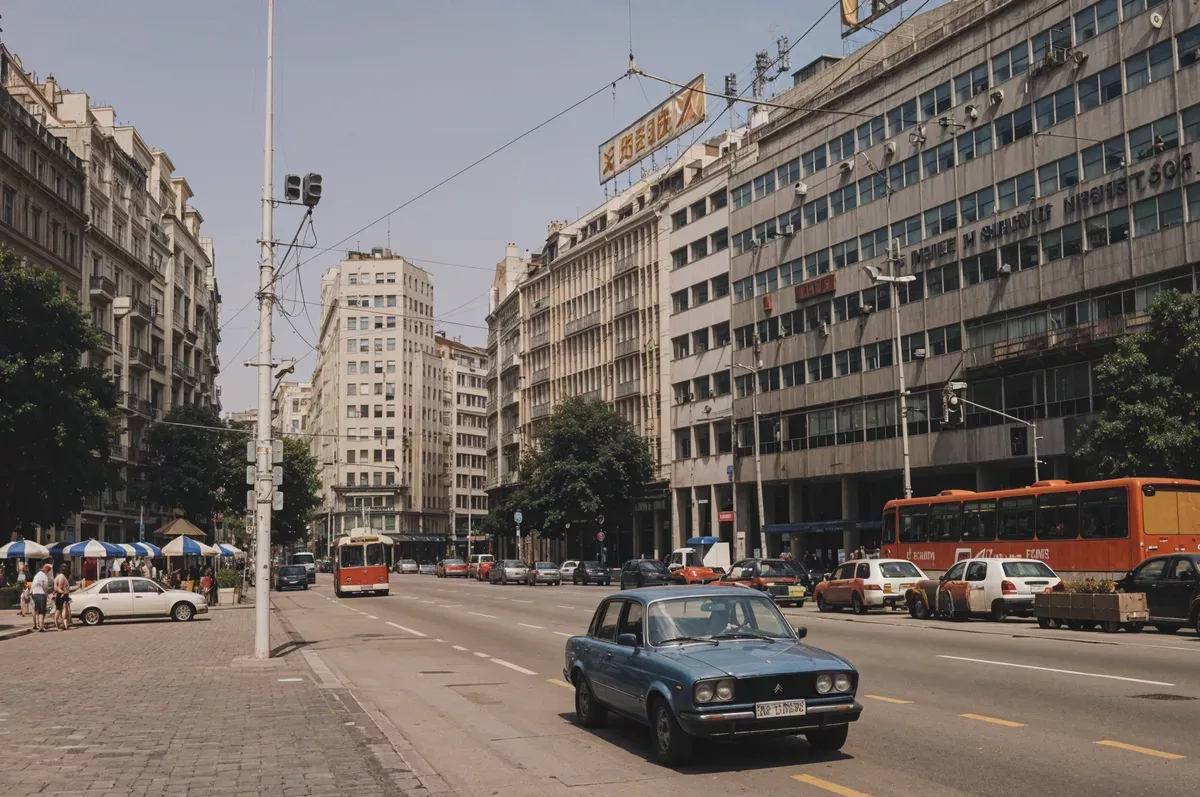
Origins and Formation of Statehood
What is Montenegro and Where is it Located
What is it on the modern world map? Montenegro is a small Balkan state on the Adriatic Sea coast with an area of 13,812 square kilometers. Montenegro's geographical position is unique: it borders Croatia, Bosnia and Herzegovina, Serbia, Kosovo and Albania, with access to the sea stretching about 300 kilometers. More than 80 percent of the territory is occupied by impassable mountains, which historically determined the isolation of the region and shaped the character of the local population. The capital of modern Montenegro is Podgorica with a population of about 200 thousand people, which until 1992 was called Titograd in honor of the Yugoslav leader Josip Broz Tito. The historical capital Cetinje retains the status of a cultural and spiritual center with the presidential residence and the most important national museums.
Etymology of the Country's Name
The history of the country's name dates back to the 14th century, when the Venetians, who dominated the Adriatic, first called these lands Montenegro. In the Venetian language, mons means mountain, and negro means black, which literally translates as Black Mountain. The local population uses the name Crna Gora with absolutely identical meaning. Interestingly, the mountains here are not black at all — they are covered with dense forests and look green even in late autumn. The origin of the name is associated with the inaccessibility of these places for seafarers and the dark coniferous forests on Mount Lovćen, which seemed black to sailors from afar. The Venetians sailed to the coast and saw mountain ranges along the entire shore with the highest mountain on the coast, Mount Lovćen, 1749 meters high, which today is a national park and a popular tourist destination.
Ancient History and First Settlements
The ancient history of these lands begins long before our era with the period of Neanderthals 40 thousand years BC. In the ancient era, the first inhabitants with a state system were the Illyrian tribes, who created proto-state formations. Greek colonists in the 3rd century BC founded the first cities on the coast, but did not go inland due to the inaccessibility of the mountain ranges. In the 1st century AD, these territories became part of the Roman Empire, and after its collapse they came under the rule of Byzantium, which controlled the region for five centuries. Beginning in 1035, popular anti-Byzantine uprisings took place in Montenegro, which were brutally suppressed. By the end of the 11th century, the Byzantine Empire was on the verge of collapse, which created the prerequisites for the emergence of the first independent state formations in this territory.
Medieval Principalities and Ottoman Rule
The first significant Slavic state in these lands was Duklja, later renamed Zeta, which united parts of the territories of modern Montenegro, Serbia, Bosnia and Herzegovina and Croatia. In the 12th century, a three-hundred-year period of forming prerequisites for an independent state that was not anyone's colony began. Internecine wars and redistribution of spheres of influence between noble families erased the principality of Duklja from the map, and the principality of Zeta appeared, and later the Serbian Despotate, but all attempts to gain independence were unsuccessful. By 1499, the entire territory of modern Montenegro was captured by the Ottoman Turks and for the next three centuries became part of the Ottoman Empire, retaining elements of autonomy due to the mountainous terrain that made these lands inaccessible to conquerors.
The Struggle for Independence and the Role of Russia
In 1711-1713, during the Russo-Turkish War, Peter I tried to liberate these lands from the Turks, signing the first decree on financial assistance to some monasteries of Montenegro. It was not possible to liberate the Montenegrins and Serbs, but even then the foundations of a strong friendship were laid, which has survived to this day. In 1796, after liberation from the Ottomans, Montenegro gained independence and became a Serbian state. Russian Emperor Paul I in 1798 signed a decree on annual financial assistance for the Serbian state for state needs. At the beginning of the 20th century, a number of important reforms were carried out with the support and assistance of the Russian Empire. Throughout the history of Montenegro, the only neighboring state that did not encroach on its independence, did not attack and did not fight with it, but provided financial assistance and support, was the Russian Empire.
Срочная продажа
- 80m2
- 1
- 1
- 1
 Podgorica, Montenegro
- 99m2
- 1
- 2
- 1
Podgorica, Montenegro
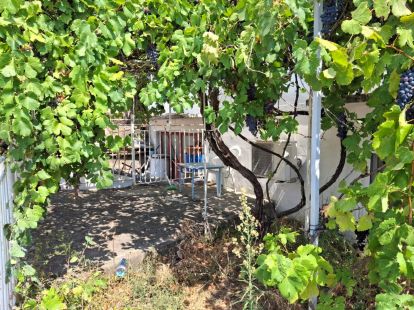
- 91m2
- 1/2
- 2
- 1
Sutomore, Montenegro
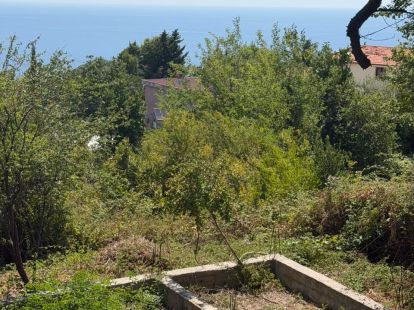
- 332m2
Sutomore, Montenegro
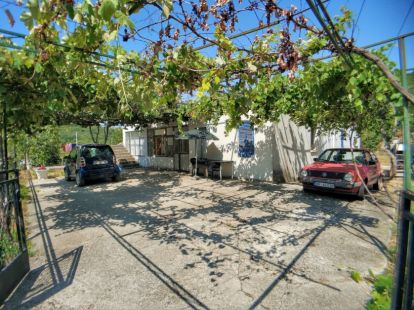
- 192m2
- 1
- 4
- 3
Sutomore, Montenegro
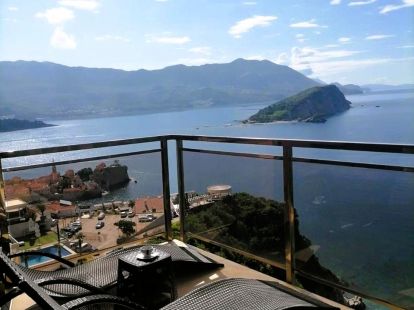
- 78m2
- 5/6
- 1
- 1
Budva, Montenegro
- 130m2
- 1
- 2
- 1
Bar, Montenegro

- 37m2
- 1/4
- 1
Baošići, Montenegro
Montenegro within Yugoslavia
Formation of the Yugoslav State
In 1918, a new independent state appeared on the world map — Yugoslavia, a union of southern Slavs that united six countries of the Balkan Peninsula. The Socialist Republic of Montenegro became one of six republics that formed the Socialist Federal Republic of Yugoslavia. Formed in 1946 as the People's Republic of Montenegro, in 1963 it was renamed the Socialist Republic, reflecting constitutional changes in the country. It was the smallest Yugoslav republic both in territory, occupying 13,810 square kilometers, and in population, which according to the 1991 census was 615,035 people. The capital of the republic was Titograd — today's Podgorica.
Administrative Division and Languages
Administratively, SR Montenegro consisted of twenty municipalities: Bar, Bijelo Polje, Budva, Danilovgrad, Žabljak, Ivangrad, Kolašin, Kotor, Mojkovac, Nikšić, Plav, Plužine, Pljevlja, Rožaje, Tivat, Titograd, Ulcinj, Herceg Novi, Cetinje and Šavnik. The official languages were Serbo-Croatian, and in municipalities with a significant Albanian population — Albanian. Before the 1971 census, Albanians were officially called Šiptari, which was later replaced by the modern name. The founders of the republic were Montenegrins, and Albanians were recognized as official national minorities, but only in those municipalities where they represented a significant part of the population.
Economic Development in the Yugoslav Period
The economic development of the republic had its own characteristics. From 1947 to 1990, Montenegro was officially considered an underdeveloped territory and received subsidies and soft loans from the federal center, including a special Federation Fund for lending to economically backward republics. In the period 1976-1980, Montenegro received 831,500 dinars from this fund. Despite this, significant successes were achieved in the development of industry and tourism during the Yugoslav period. Great successes were achieved in all areas, especially in the first half of the 70s, when the Belgrade-Bar railway was built, connecting the republic with the European railway network and giving a powerful impetus to economic growth.
World War II and the People's Liberation Struggle
During World War II, fascist Italy occupied the entire territory of Montenegro. The peoples of Montenegro rose up on July 13, 1941 in an armed uprising against the fascist occupiers and their accomplices, once again showing their centuries-old love for freedom and independence. This date became so significant that it was later declared a national holiday — Statehood Day, celebrated on July 13 in memory of two major events: the recognition of Montenegro as an independent state at the Berlin Congress of 1878 and the uprising of 1941 against fascism. The stubborn struggle of the Montenegrins against the invaders became a continuation of their centuries-old tradition of resistance, which could not be broken either by the Ottoman Empire, which owned these lands for almost three centuries, or by the Venetian conquerors.
Post-War Reconstruction and Development
After the war, Montenegro became part of the new socialist Yugoslavia, beginning a period of intensive reconstruction and development. The city of Cetinje, the historical capital, gave Yugoslavia 49 people's heroes, and the city itself was named the fiftieth, which speaks of its exceptional role in the liberation struggle. The memory of the heroic past and the struggle for freedom remained an important part of the national identity of the Montenegrins, known for their patriotism, which broke both the Ottoman Empire and the Venetian conquerors. Throughout the history of Montenegro, the struggle for the freedom of the people was constantly emphasized and shaped the national identity that persists to this day.
Modern Montenegro and Practical Information for Tourists
The Dissolution of Yugoslavia and the Attainment of Independence
The collapse of Yugoslavia in the 1990s radically changed the fate of Montenegro. In 1992, after the collapse of the SFRY, Montenegro together with Serbia formed the Federal Republic of Yugoslavia, which in 2003 was transformed into the State Union of Serbia and Montenegro. An important event of this period was the NATO bombing of 1999, when in response to events in Kosovo, alliance aircraft for three months struck military and civilian targets. For three months, NATO bombed major cities of Yugoslavia, including Belgrade, destroying bridges, factories, TV towers and residential areas with thousands of civilian casualties. The only country that condemned NATO's actions and categorically opposed such a solution was Russia.
The 2006 Referendum and Independence
On October 12, 1990, the Socialist Republic of Montenegro changed its name to the Republic of Montenegro. The decisive moment came on May 21, 2006, when a referendum on independence was held in Montenegro. Fifty-five percent of citizens voted to leave the union with Serbia, which met the threshold set by the European Union for recognition of the results. On June 3, 2006, the Parliament of Montenegro officially declared independence, and a few days later Serbia recognized this decision. Thus, after almost three centuries of dependence on the Ottoman Empire and almost a century as part of Yugoslavia, Montenegro became a completely independent state. Since 2006, the country of Montenegro has appeared on the world map, whose history had never known complete independence in all 3000 years of its existence.
Montenegro in 2026: What a Tourist Needs to Know
In 2026, Montenegro celebrates the twentieth anniversary of its independence, remaining one of the most affordable destinations in the Mediterranean. The local currency is the euro, although the country is not officially part of the eurozone, which makes travel as convenient as possible for foreign tourists. The main air gates of the country are the airports of Podgorica and Tivat. Tivat Airport is located directly on the coast, making it most convenient for beach holidays, and Podgorica Airport is a 40-minute drive from the historical capital Cetinje. Many tourists also arrive through Dubrovnik Airport in Croatia, which is about an hour's drive from the border. The country is not a member of the European Union, so visa requirements differ from standard Schengen rules.
Attractions and Architectural Heritage
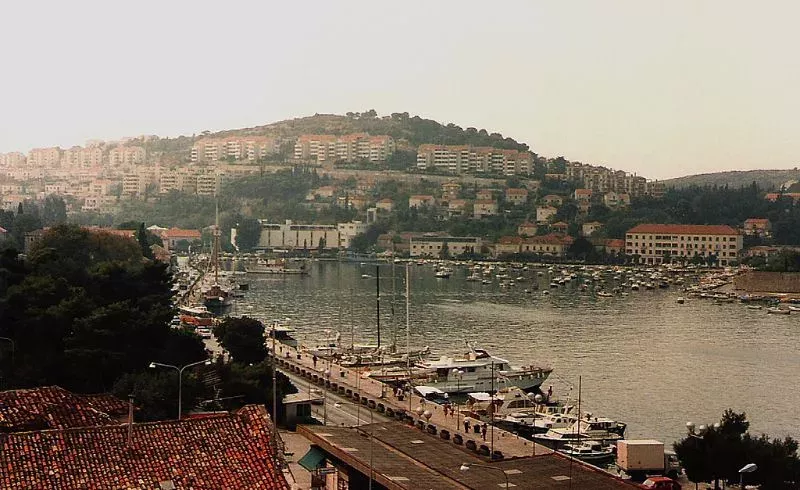
The architecture of Montenegro is a fusion of Greek, Roman, Byzantine, Venetian, Turkish and Austro-Hungarian cultures. On the coast, especially in the Bay of Kotor, these influences have created architectural ensembles of exceptional value. The medieval city of Kotor with the Cathedral of Saint Tryphon is a UNESCO World Heritage Site. The Venetian fortifications and walls of the old towns of Herceg Novi, Kotor and Budva are well preserved to this day. The old towns of the coast offer travelers a unique opportunity to walk through narrow medieval streets. In Budva, which is called the Montenegrin Ibiza, resort life is in full swing, and Ulcinj with its minarets represents the most colorful city in the country. The medieval town of Bar, abandoned at the end of the 19th century, has preserved impressive ruins.
National Parks and Natural Wealth
Five national parks protect the most valuable natural complexes of Montenegro: Durmitor, Biogradska Gora, Lovćen, Prokletije and Lake Skadar. Lovćen National Park is located around the eponymous mountain 1749 meters high, towering over the Bay of Kotor. At the top of the mountain is the mausoleum of Petar II Petrović-Njegoš, built in 1974 and considered at that time the highest mausoleum in the world. The Durmitor mountain range with the highest point Bobotov Kuk at 2522 meters and the Tara River Canyon, one of the deepest in the world, are UNESCO World Heritage Sites. Prokletije National Park on the border with Albania is compared to the Dolomites, and Lake Skadar, the largest in the Balkans, is a true hotspot of biodiversity with 280 species of birds.
Districts, Prices and Practical Tips
Prices in Montenegro vary significantly depending on location and season. The most expensive areas are the old towns of Kotor, Budva and the elite resort of Sveti Stefan with five-star hotels. The Bay of Kotor is generally more expensive than the open coast due to its unique landscapes. More affordable accommodation options can be found in new areas of coastal cities, in villages away from the sea, as well as in the private sector and guesthouses. In Cetinje, located 40 minutes from the coast, you can find hotels with a rating of 9.3 and prices below 100 dollars per night. Inexpensive options are offered by Ulcinj, popular among budget tourists for its sandy beaches. In the mountains, especially in Žabljak and Kolašin, prices are significantly lower than on the coast. The beach season lasts from April to October, peaking in July-August, while May, June and September offer the optimal combination of weather and prices.
Popular Tours and Excursions
The travel program usually includes three key directions: the coast with historical cities, national parks and cultural attractions of the interior. Popular tours combine visits to the Bay of Kotor, Sveti Stefan island, the old town of Budva and a trip to Lovćen National Park with an ascent to the Njegoš Mausoleum. Excursions also include visits to Cetinje with its monastery and museums, Lake Skadar and the Durmitor mountain range. Climbing Mount Bobotov Kuk, trekking in Prokletije National Park, rafting in the Tara River Canyon, wine tasting tours with local Vranac wines are extremely popular. Boat excursions include visits to the artificial island of Gospa od Škrpjela and the natural island of St. George in the Bay of Kotor, where traditional Mediterranean architecture and a unique atmosphere are preserved.