
Cetinje is town in Montenegro and its attractions, tourism, weather
- Historical Heart of Montenegro
- What is Cetinje and why this city is called an open-air museum
- Spiritual shrines and architectural heritage of the old capital
- Cultural Life and Practical Aspects of Travel
- Museums, palaces and walking routes of the historical center
- Gastronomic souvenirs and features of local life
- Nature, Climate and Surroundings
- Mount Lovcen and Njegos Mausoleum as an obligatory part of the route
- Climatic features: the rainiest city in Montenegro
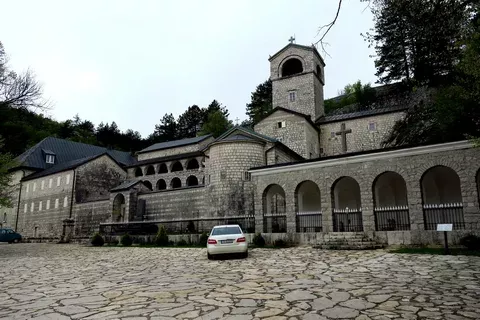
Historical Heart of Montenegro
What is Cetinje and why this city is called an open-air museum
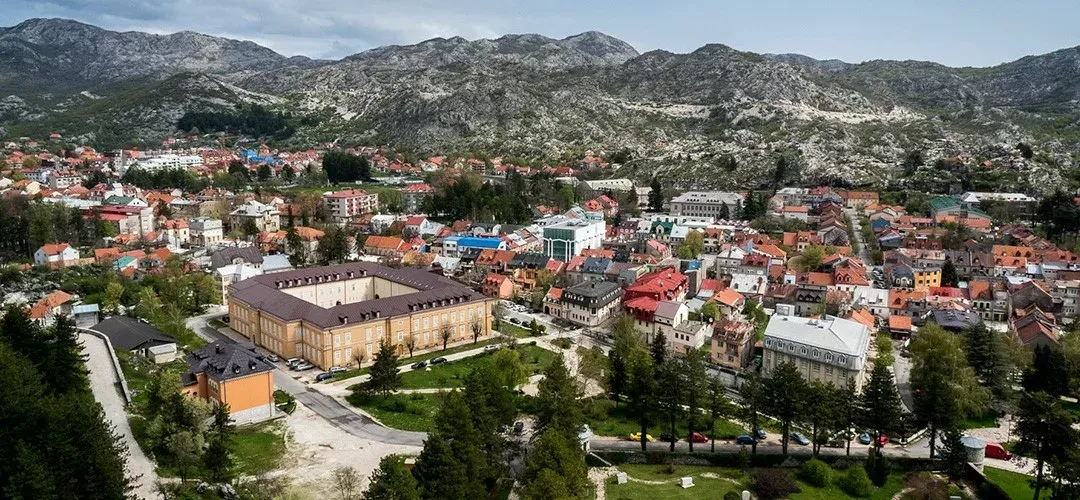
Cetinje is a unique museum-city nestled in a picturesque valley between limestone mountains in the very heart of Montenegro. This ancient capital of the country, founded back in the thirteenth century, served for centuries as the spiritual and political center of the Montenegrin state. Today, Cetinje is a place where every stone breathes history, and the concentration of cultural heritage per square kilometer surpasses many European capitals. The city is comfortably hidden from prying eyes in a mountain basin, which once saved it from enemy invasions, and today creates a special, intimate microclimate for travelers tired of noisy coastal resorts.
The historical fate of Cetinje is full of dramatic twists. In the fifteenth century, during fierce wars with the Ottoman Empire, the country's ruler decided to move the capital from Zabljak to a more inaccessible place — thus Cetinje gained the status of the main city. Then followed periods of decline and revival: in the seventeenth century, the city again made itself known, and reached its highest prosperity during the reign of King Nikola I Petrovic from 1860 to 1918. By the mid-twentieth century, Cetinje had unfairly lost its significance as a tourist center, but it is here, away from the beach bustle, that the authentic soul of Montenegro has been preserved.
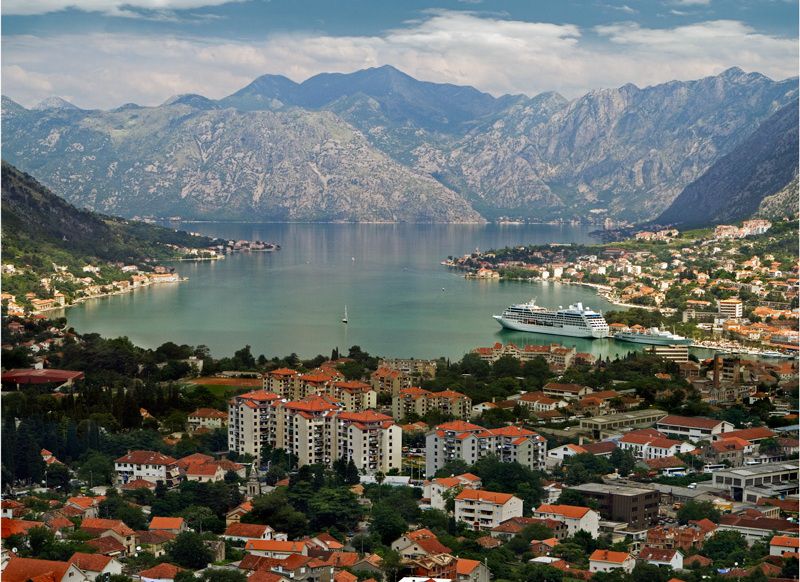
Geographically, Cetinje is located forty kilometers from the Adriatic Sea coast, at the foot of the majestic Mount Lovcen, whose height reaches 1660 meters above sea level. The nearest airports are in Podgorica and Tivat — the distance to them is about fifty and sixty kilometers respectively. You can reach the city via two main mountain roads: from Budva and from Kotor. Both routes are picturesque but winding serpentines, where every turn opens breathtaking views of the surroundings, and the journey itself turns into an exciting attraction.
Spiritual shrines and architectural heritage of the old capital
The main pearl of Cetinje is rightfully considered the Cetinje Monastery, founded in 1484 and serving as the residence of Montenegrin metropolitans. It is here that the greatest Christian relics are kept, attracting pilgrims from the entire Orthodox world. The Right Hand of John the Baptist — the right hand of the Prophet, with which, according to legend, Jesus Christ himself was baptized, is the main treasure of the monastery. Next to it rests a particle of the Honorable and Life-Giving Cross of the Lord, and in the sacristy you can see the shroud personally embroidered by Russian Empress Catherine the Second. On the monastery territory in the fifteenth century, the first Montenegrin printing house operated, printing in 1493 the "Oktoih" — the first book in the South Slavic language in Cyrillic script.
The Church of the Nativity of the Blessed Virgin Mary, built on the ruins of the old monastery at the end of the fifteenth century, preserves the memory of the coastal builders who erected it surrounded on three sides by a colonnade. The eighteenth century brought destruction, and after restoration the temple acquired a somewhat different appearance, but retained its spiritual significance. The Vlah Church, built by shepherds in 1405, is famous for its unique frescoes by Greek masters and an unusual fence made from trophy Turkish weapons captured in the war of 1876.
The Biljarda Palace, built in 1838 for ruler Petar II Njegos, is a unique fortification structure disguised as a residence. From the outside, the building seems unremarkable, but when viewed from above, the true appearance of a fortress with four watchtowers is revealed. The palace got its name from the billiard room arranged inside. Today, the Njegos Museum is located here, where you can see the ruler's personal belongings and the famous relief map of Montenegro from 1917, created by officers of the Austrian General Staff with amazing detail, allowing you to discern practically every house of that time.
Срочная продажа
- 89m2
- 1/4
- 1
- 1
 Budva, Montenegro
- 55m2
- 8/8
- 2
- 1
Becici, Montenegro
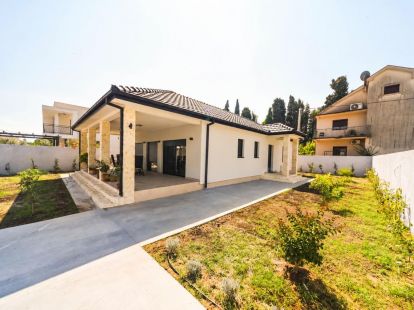
- 134m2
- 1
- 3
- 2
Podgorica, Montenegro
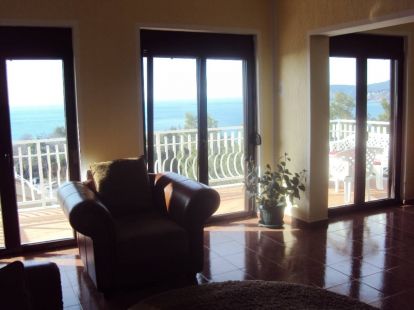
- 408m2
- 4
Sutomore, Montenegro
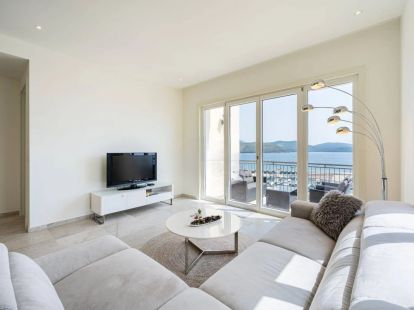
- 104m2
- 2/3
- 3
- 2
Tivat, Montenegro
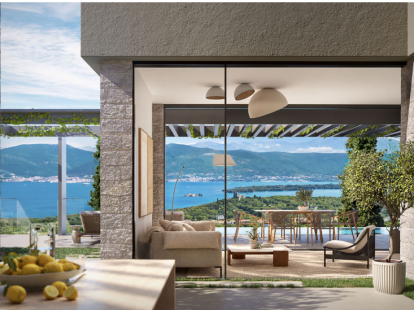
- 160m2
- 2
- 3
- 3
Tivat, Montenegro
- 46m2
- 3/5
- 1
- 1
Budva, Montenegro
- 53m2
- 1/4
- 1
- 1
Budva, Montenegro
Cultural Life and Practical Aspects of Travel
Museums, palaces and walking routes of the historical center
Njegoseva Street represents the main pedestrian artery of Cetinje, where all the city's life is concentrated. Here you'll find cozy cafes, colorful bars, and souvenir shops, and in the shade of centuries-old linden trees, locals leisurely converse, watching the occasional tourists. On this same street is the oldest pharmacy in Montenegro, opened in 1878 and being one of the two oldest pharmacies in the Balkans. The post office attracts collectors from all over Europe with its unique stamps dedicated to the country's history and culture.
The Palace of King Nikola I, built in 1867 in the rare architectural style of Secession, preserves the atmosphere of monarchical life. Interiors with authentic furniture, photographs, and household items tell the story of the lives of Montenegrin rulers and Russian princes who often stayed here. The National Museum of Montenegro is housed in the most beautiful building in the city, designed by an Italian architect. The extensive exhibition is divided into historical, cultural, and artistic parts, giving a complete picture of the country's development.
The Blue Palace today serves as the residence of the President of Montenegro, while the Vladin Dom, the former government building, now receives visitors at the National Gallery. Orlov Krs (Eagle Rock) towers over the city, offering brave travelers the chance to climb along a marked trail and enjoy panoramic views of the valley and surrounding mountains. At the foot of the cliff is an amphitheater where cultural events take place in summer.
Gastronomic souvenirs and features of local life
The souvenir question in Cetinje is solved unconventionally: instead of typical magnets and garish plates, it's worth paying attention to gastronomic gifts that convey the true taste of Montenegro. Prsut — ham cured in a special way, local cheese, and grape brandy lozovaca will not only be a tasty reminder of the journey but will also allow you to arrange a real Montenegrin dinner at home. These products, of course, are less durable than ceramic trinkets, but they bring much more pleasure and impressions.
The city's economy today relies on tourist services, trade, and the service sector, but salary levels here remain among the lowest in the country. This leaves an imprint on the local color: residents are unhurried, friendly, and always ready for a long conversation over a cup of coffee. In small shops and at the market, you can not only buy products but also learn many interesting stories from city life if you show genuine interest in your interlocutor.
For independent exploration of attractions, a detailed map with walking routes divided by themes is posted at the Cetinje bus station: the spiritual path, the rulers' route, and European heritage. Such navigation allows every traveler to choose a direction according to personal interests and not miss the most important things.
Nature, Climate and Surroundings
Mount Lovcen and Njegos Mausoleum as an obligatory part of the route
Lovcen National Park with its peak reaching 1660 meters is a natural continuation of the excursion through Cetinje. It is from here that the most impressive panoramas of Montenegro open up, and the ascent to the mausoleum of the philosopher and poet Petar Njegos becomes a real challenge for travelers. During his lifetime, the ruler bequeathed to bury himself in a chapel on the mountain top, from where his favorite view opened. The chapel was destroyed during World War I, but a majestic mausoleum has been erected in its place, approached by more than four hundred sixty steps.
It is most convenient to reach the national park precisely from Cetinje: the journey by car takes about thirty minutes. The road passes through picturesque passes, and the walk along mountain trails leaves unforgettable impressions. On a clear day, half the country can be seen from the summit: from the Adriatic coast to the Albanian mountains and Lake Skadar.
Combined routes visiting Cetinje are offered by travel companies and private guides. The most popular are directions combining the old capital with Mount Lovcen and the ethnic village of Njegusi, where you can taste homemade prsut and cheese directly from producers. Another popular option includes visiting the Cetinje Monastery and a trip to Ostrog — the famous rock monastery, allowing you to touch two main Orthodox shrines of Montenegro in one day.
Climatic features: the rainiest city in Montenegro
Cetinje holds the unofficial title of the rainiest city in Montenegro and can compete in precipitation even with Bergen, which is considered the wettest city in Europe. Precipitation here is one and a half times more than in Norwegian Bergen, and once it rained continuously for twenty-seven days straight. This climatic feature is explained by the city's location in a mountain basin, where humid air from the Adriatic condenses, forming dense cloudiness and prolonged rains.
When planning a trip, it's important to consider this factor: even if the sun is shining brightly on the coast in Budva or Kotor and the temperature reaches twenty degrees, it may be cool and damp in Cetinje. Just half an hour of driving separates completely different climatic zones, so travelers are advised to always have an umbrella and warm clothing with them regardless of the forecast on the coast.
Despite weather whims, it is in spring and autumn that the city appears in its most picturesque form. Carpets of snowdrops and crocuses spread around the monastery, fogs envelop the mountain slopes, creating a mystical atmosphere, and after rain the air fills with the intoxicating aroma of mountain herbs. In summer, it is refreshingly cool here compared to the sizzling coast, and in winter the surrounding mountains become covered with snow, making a trip to Cetinje especially photogenic.
The cultural life of the city does not cease year-round. The concept of the "Cetinje Cultural Summer" unites a folklore festival, jazz concerts, and classical music performances. International sporting events include the bicycle race "In the Footsteps of King Nikola" and the mountain car race "Lovcen", and for the little ones, children's Olympic Games are held among the primary grades of Montenegro.