
Danilovgrad Montenegro
- History and Geography of the City
- What It Is and Where It Is Located
- Date of Foundation and History of Establishment
- Demographics and Modern Appearance
- Sanctuaries and Spiritual Heritage
- Church of Saint Tekla - The Heart of the Old Town
- Ždrebaonik Monastery and Its Relics
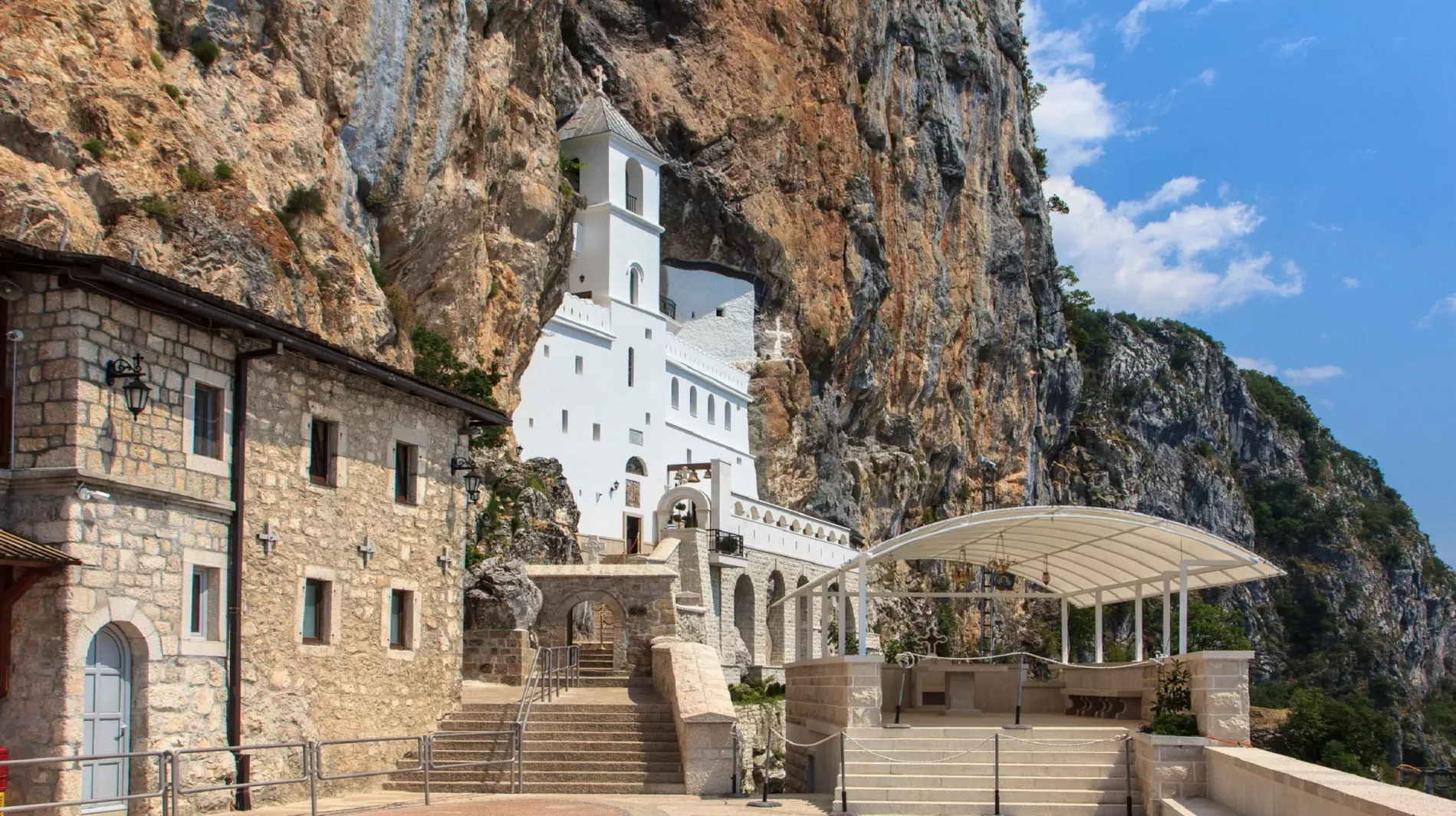
- Ostrog Monastery - The Main Gem of Montenegro
- Travel, Tourism, and Practical Information
- How to Get There and What to See for Tourists
- Popular Tours, Excursions, and Local Cuisine
- Real Estate: Where It's Expensive and Where It's Affordable

History and Geography of the City
What It Is and Where It Is Located
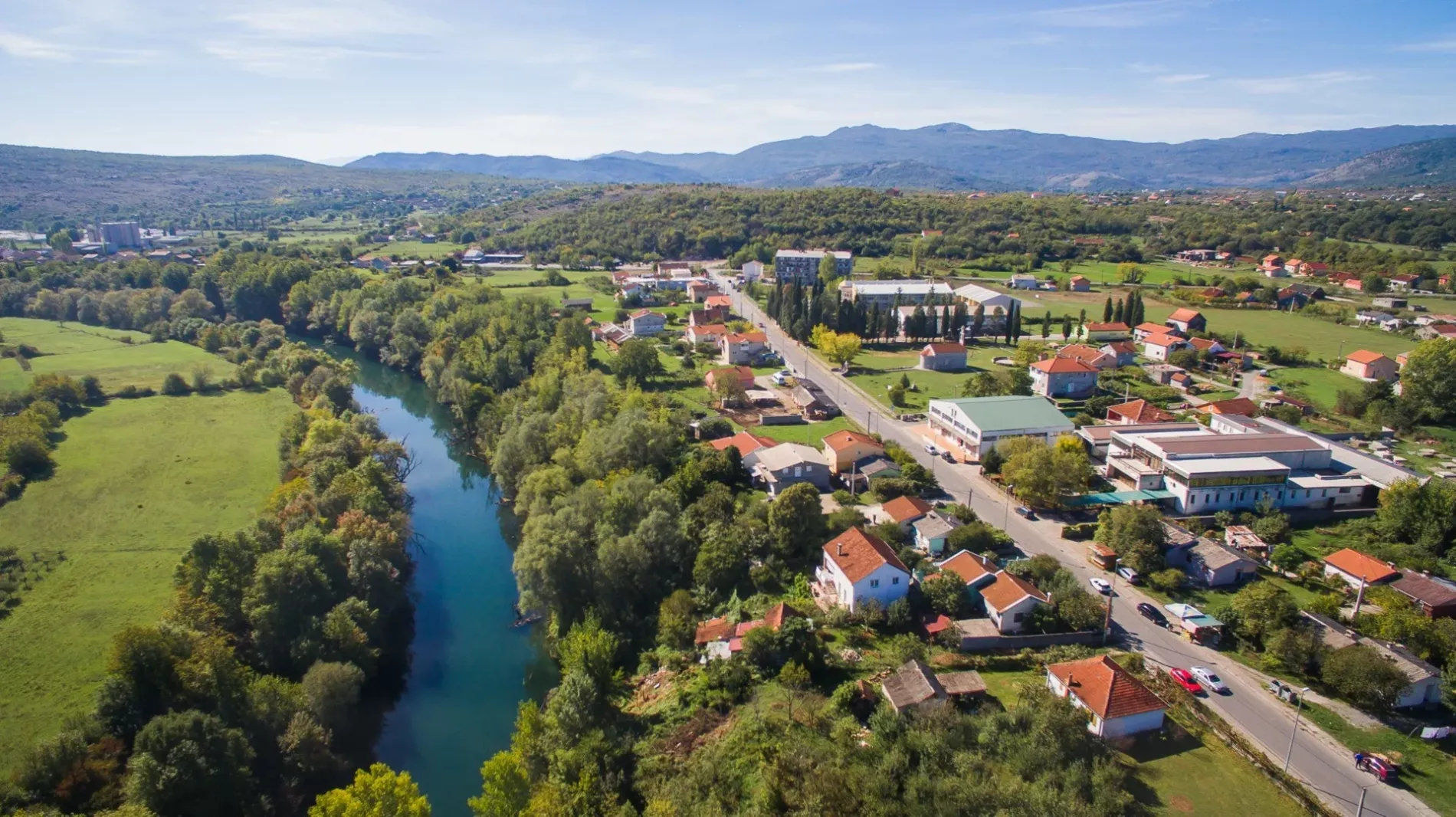
Danilovgrad is an urban settlement in central Montenegro, spread along the right bank of the picturesque Zeta River. It is situated in the very heart of the Bjelopavlići Plain, named after the local Bjelopavlići tribe, first mentioned in historical documents from Dubrovnik dating back to August 4, 1411. The city enjoys a favorable strategic position: only 20 kilometers separate it from the country's capital Podgorica, and 30 kilometers from the industrial center of Nikšić. According to the official census of April 2011, the town itself has a population of 6,852 people, while the majority of the municipality's population—almost 63 percent—lives in the surrounding rural areas, giving this region a special character of harmony between city and nature.
Date of Foundation and History of Establishment
Unlike many ancient Montenegrin settlements, Danilovgrad is a relatively young city. Its construction began in 1869 by order of Prince Danilo from the Petrović dynasty, after whom it was named. Real life began here in 1870 when the Vojvoda Mirko Bridge connected the two banks of the Zeta River, and this year is officially considered the date of the city's founding on Glavica Hill. Interestingly, Danilovgrad first appeared on a Turkish map in 1876, with inscriptions in Arabic script. The same year saw the publication of two Turkish maps showing the Bjelopavlići region, confirming the growing importance of this young settlement even for the Ottoman Empire. King Nikola later planned to transform Danilovgrad into a major industrial and commercial center, but after 1878 the city lost its former strategic significance.
Demographics and Modern Appearance
Today, Danilovgrad is a cozy provincial town with a population of just over 5,000 people, counting only the urban part. Statistics show that the town has 3,771 adult citizens, with an average age of 35.1 years—the population is relatively young. The city is divided into 1,489 households, with an average of 3-4 people per household. Danilovgrad has absorbed the charm of European cities while maintaining its unique Balkan character. The architecture here is diverse: from old stone buildings to Austro-Hungarian period structures and modern villas scattered throughout the picturesque surroundings. There are still few tourists, and this creates a special atmosphere of calm and measured pace that travelers tired of noisy coastal resorts appreciate so much.
Срочная продажа
- 80m2
- 1
- 1
- 1
 Podgorica, Montenegro
- 99m2
- 1
- 2
- 1
Podgorica, Montenegro
- 91m2
- 1/2
- 2
- 1
Sutomore, Montenegro
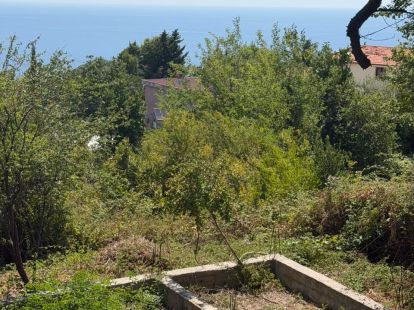
- 332m2
Sutomore, Montenegro
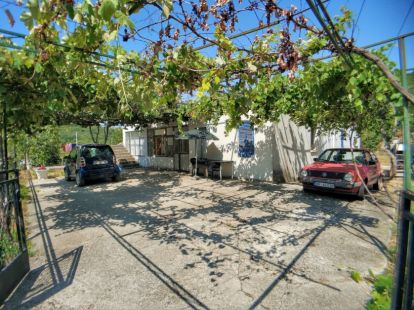
- 192m2
- 1
- 4
- 3
Sutomore, Montenegro
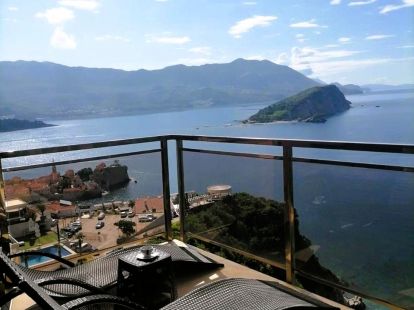
- 78m2
- 5/6
- 1
- 1
Budva, Montenegro
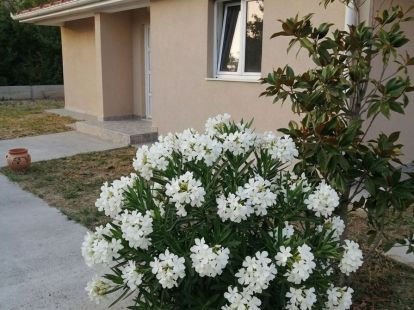
- 130m2
- 1
- 2
- 1
Bar, Montenegro

- 37m2
- 1/4
- 1
Baošići, Montenegro
Sanctuaries and Spiritual Heritage
Church of Saint Tekla - The Heart of the Old Town
The oldest sacred structure in the municipality is the Church of the Holy Great Martyr Tekla, around which Danilovgrad essentially began to be built. This is not just a religious building but a significant cultural monument preserving the memory of the heroes of this people. The founding of the church, according to folk traditions, dates back to the Middle Ages, long before the official establishment of the city itself. Today it is a memorial church, attracting both believers and connoisseurs of ancient architecture. Its modest yet majestic forms recall Byzantine architectural traditions, and its location in the historical core of Danilovgrad makes it a must-visit starting point for getting to know the city.
Ždrebaonik Monastery and Its Relics
On the outskirts of the city, among the fields and hills of the Bjelopavlići Plain, lies the Ždrebaonik Convent. This monastery is famous for carefully preserving the relics of Saint Fevronia. And since the 1920s, the relics of Saint Arsenije of Srem have been transferred here—he was the beloved disciple of Saint Sava himself, the founder of the Serbian Orthodox Church. For pilgrims, this place is of immense importance, and for tourists, it represents an example of Montenegrin monastic architecture and a corner of amazing tranquility. The monastery is active, and the atmosphere here is permeated with prayer and grace, felt from the first steps on its grounds.
Ostrog Monastery - The Main Gem of Montenegro
It is impossible to talk about Danilovgrad without mentioning the Ostrog Monastery, located just 15 kilometers from the city. This active Serbian Orthodox monastery was founded in 1671 by Metropolitan Vasilije of Herzegovina and built into an almost vertical cliff at an altitude of about 900 meters above sea level. The complex is divided into the Upper and Lower Monasteries, connected by a five-kilometer road through the forest. The Upper Monastery consists of two tiny churches: the Church of the Exaltation of the Cross from 1665 and the Church of the Presentation of the Virgin from the 18th century, measuring just 3 by 3 meters. It was in this small church that Saint Basil spent 15 years in prayer. Here, in the reliquary, rests the ark with the miraculous relics of Saint Basil of Ostrog, as well as a unique prayer book from 1732 and temple candlesticks from 1779. In the Lower Monastery, founded in the 19th century, rest the relics of the holy new martyr Stanko—a fifteen-year-old boy who suffered martyrdom for his faith. The amazing frescoes and the very architecture of the monastery, in complete harmony with the harsh but majestic nature of the Montenegrin mountains, amaze everyone who climbs here.
Travel, Tourism, and Practical Information
How to Get There and What to See for Tourists
The nearest international airport is in Podgorica—just a 30-40 minute drive away, making Danilovgrad easily accessible for tourists immediately upon arrival. The local currency is the euro, even though Montenegro is not an official member of the eurozone. You can reach the city via the E65/E80 highway, which connects Podgorica with Nikšić. Travelers should plan at least two to three days to leisurely explore all the key sites: Danilovgrad itself and the Church of Saint Tekla, the Ždrebaonik Monastery, and of course, Ostrog. For the ascent to the Upper Monastery, it is recommended to have comfortable shoes and enough water, and also to keep in mind that during the high season there may be many pilgrims here.
Popular Tours, Excursions, and Local Cuisine
In 2026, further growth in popularity of pilgrimage and cultural tours to Montenegro is expected. Many tour operators offer one-day excursions from Podgorica or the coast to Ostrog with a mandatory stop in Danilovgrad. Tourists can book an individual tour with a guide or join a group excursion, the cost of which varies from 30 to 60 euros per person depending on the program. After sightseeing, travelers happily spend time in the cozy cafes and restaurants of Danilovgrad, where they are offered delicious national dishes—tender lamb under the sač, prosciutto, homemade cheese, and of course, the best local wines from the Zeta River valley.
Real Estate: Where It's Expensive and Where It's Affordable
For those considering buying property in Montenegro, Danilovgrad offers interesting options at more democratic prices than on the coast. The most expensive areas are considered those with a view of the Ostrog cliffs or new villas on the banks of the Zeta—here the price per square meter can reach 2,000 euros and above. In the central part of the city, apartments in new buildings cost on average from 1,000 to 1,500 euros per meter. Inexpensive housing can be found in the rural areas around Danilovgrad: old houses needing renovation are offered at prices from 500 to 800 euros per square meter or even cheaper when purchasing the entire property as a whole. Rental accommodation for tourists is also affordable: a studio or one-bedroom apartment will cost 25-40 euros per night, which is significantly cheaper than resort prices in Budva or the Bay of Kotor.