
Podgorica — the Capital of Montenegro: History from Doclea to the Present Day, Districts and Living Realities
Since Podgorica has a unique geographical position, it is located in the Central part of Montenegro, on the middle Eastern coastal and mountainous areas, in the corridor of powerful tourist flows, it is the main demographic, political, economic, transport, cultural...
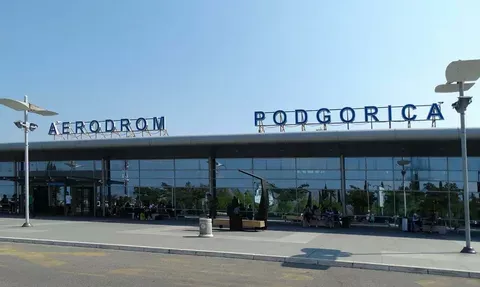
Chronology in Stone: From Antiquity to the Capital
City Stratigraphy: Romans, Slavs, Ottomans
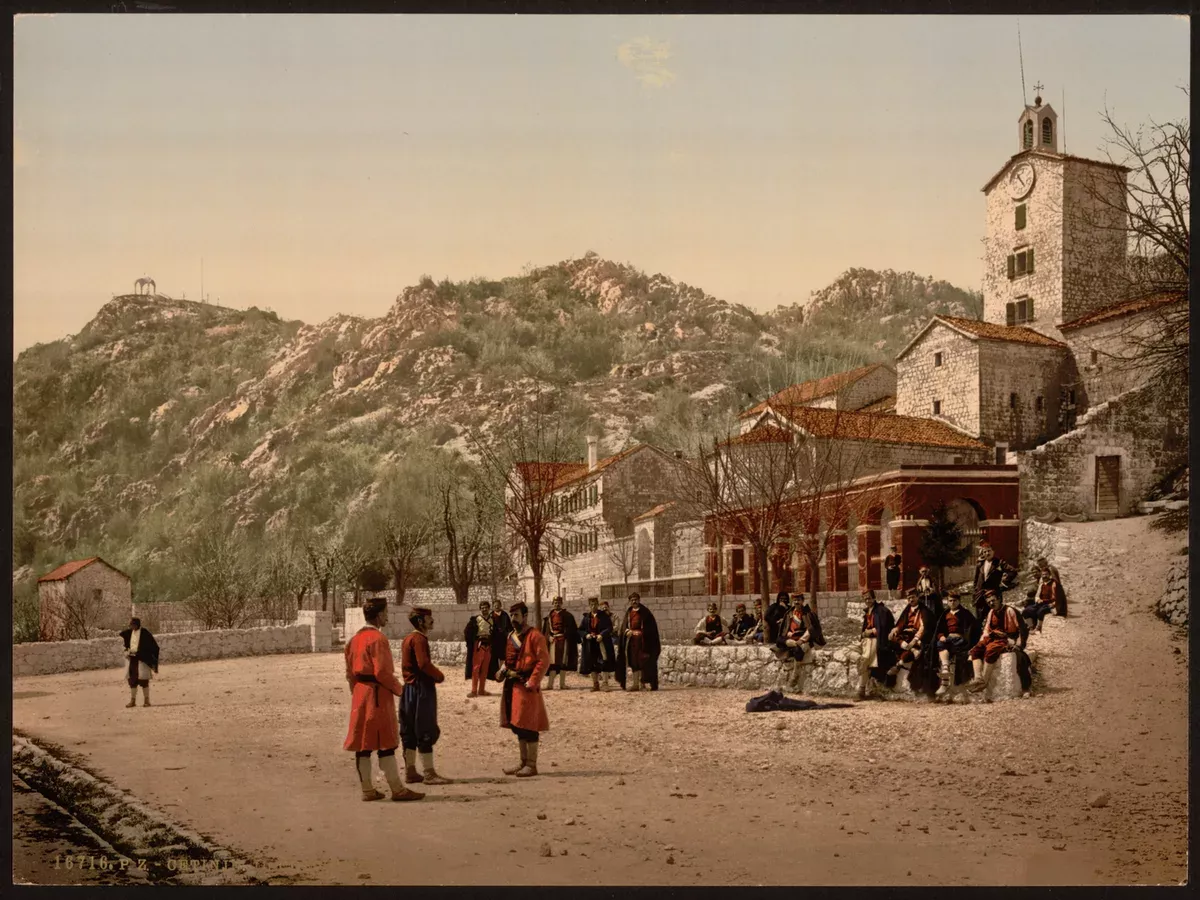
The territory of modern Podgorica has been inhabited since the Stone Age. The ancient period left two key traces: the Roman city of Doclea (Duklja), founded in the 3rd century BC and destroyed by Avars and Slavs in the 7th century AD, and the settlement of Birziminium. The Slavic name Ribnica was first mentioned in the 12th century in connection with Stefan Nemanja, while the name Podgorica was historically recorded in 1326 in the archives of Kotor. The pivotal year 1474 marked the beginning of four centuries of Ottoman rule, which shaped the Eastern appearance of the old quarters. On January 27, 1879, the Turkish garrison left the city, and it became part of the Principality of Montenegro. The 20th century brought new transformations: after the catastrophic bombing on May 5, 1944, which destroyed up to 80% of the buildings, the city was rebuilt and on July 13, 1946, renamed Titograd. The historical name Podgorica was restored on April 2, 1992, and in 2006 the city became the capital of independent Montenegro.
Geo-Climatic Portrait: Plain, Rivers, and Sun
The city is located in the center of the Zeta Plain at an absolute altitude of 49 meters (coordinates 42°26′23″ N, 19°15′58″ E) at the confluence of the Moraca and Ribnica rivers. The climate is transitional Mediterranean (Cfa according to Köppen). Summers are long and hot: the average July temperature is +26.0°C, and the absolute maximum of +44.8°C was recorded on August 16, 2007. Winters are mild (average January temperature +5.0°C), with snow lasting no more than 2-3 days per year. The annual precipitation norm is 1544 mm, but the number of sunshine hours reaches 2470 per year, creating a special microclimate. This is precisely why the Zeta Valley became a center of viticulture: the company "Plantaze" cultivates 2,300 hectares of vineyards here.
Срочная продажа
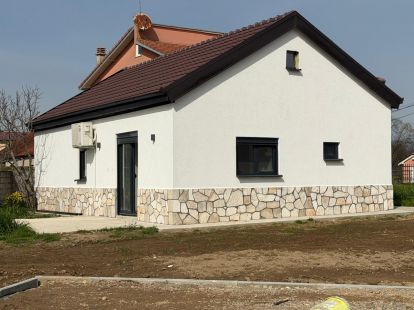
- 80m2
- 1
- 1
- 1
 Podgorica, Montenegro
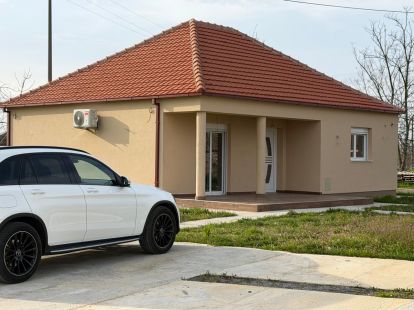
- 99m2
- 1
- 2
- 1
Podgorica, Montenegro
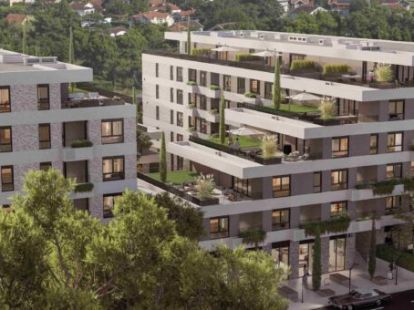
- 46m2
- 3/6
- 1
- 1
Podgorica, Montenegro
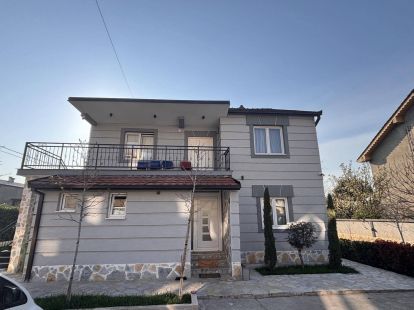
- 240m2
- 2
- 5
- 2
Podgorica, Montenegro
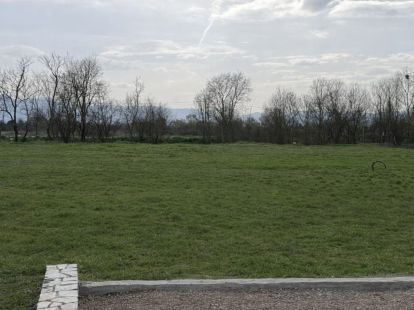
- 796m2
Podgorica, Montenegro
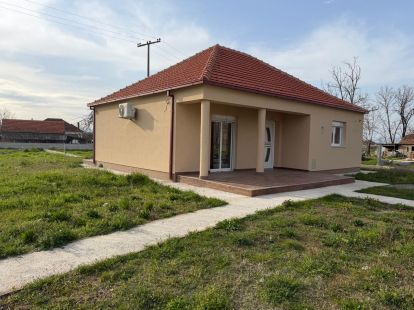
- 99m2
- 1/1
- 2
- 1
Podgorica, Montenegro
- 1 478m2
Podgorica, Montenegro
- 4 026m2
Podgorica, Montenegro
Architectural Chronicle and Urban Infrastructure
Districts as Imprints of Eras
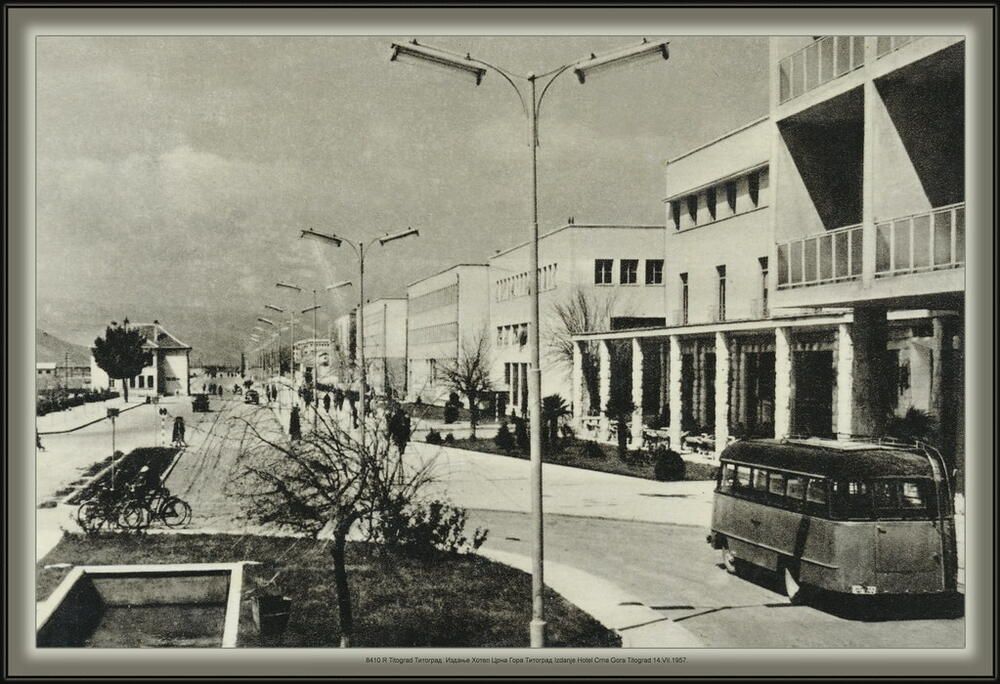
The city's architectural appearance is a visual chronology. Stara Varoš and Drač are Ottoman-period quarters (16th-19th centuries) with cobblestone streets less than 4 meters wide. Here you can find the Clock Tower (Sahat-Kula, ~17th century), the Osmanagić Mosque (1784), and residential buildings like the Čubranović House (1630). Nova Varoš (Mirkova) was built after 1879 according to a regular plan: the width of the main streets reached 12 meters. Its dominant feature is the Palace of King Nikola I (1891). Socialist Titograd (1946-1992) left a legacy of monumental public buildings and typical "blocks." The modern stage (since the 2000s) is represented by districts like "Block 5" and the large-scale "Čemovsko Polje" park project with an area of 43.7 hectares.
Infrastructure Arteries and Facilities
Podgorica is a key transport hub. International Airport (TGD), located 12 km to the south, served about 1.2 million passengers in 2023. The city is crossed by the Belgrade-Bar railway line (1959) and the electrified branch to Nikšić (2012). Road communication is provided by the "Princess Ksenija" highway (the section to Kolašin opened in 2022) and the "Sozina" tunnel, 4.2 km long. Within the city, there are 30 permanent bridges, including the pedestrian Moscow Bridge and the cable-stayed Millennium Bridge (2005). The communication system is served by operators T-Mobile, M:tel, and Telenor, and the TV signal is broadcast from a 55-meter tower on Dajbabska Gora hill (2011).
Heritage, Modernity, and Living Context
Cultural Heritage and Points of Attraction
The city has a developed cultural infrastructure. The largest institutions are: the Montenegrin National Theatre (1953), the Center of Contemporary Art in the Petrović Palace, and the Podgorica City Museum (1950). Notable annual events include the International Book Fair (since 2006) and the "Ex-Yu Fest" festival. Architectural symbols have become the Cathedral of the Resurrection of Christ (2013), 41.5 meters high, and the Millennium Bridge, 173 meters long. Notable surroundings include: the "Niagara" waterfall on the Cijevna River (cascade height 10 m), Magara Cave with a length of 220 meters, and the "Šipčanik" wine tunnel, 356 m long, where 1.8 million liters of wine are stored.
Living and Housing Context: 2024-2026
The real estate market reflects historical layering. In Stara Varoš, rare offers are typically cultural heritage objects requiring restoration. In central districts (Nova Varoš), the secondary housing stock from the mid-to-late 20th century prevails. The main volume of new construction (85% of new offerings) is concentrated in the "Block 5", "Čemovsko Polje", and Golubovci districts. According to data from the end of 2024, the average asking price on the primary market is €2,100 – €2,700 per m², on the secondary market — from €1,300 per m². Renting a decent two-room apartment (60 m²) ranges from €450 to €700 per month. By 2026, a stabilization of price growth rates at 3-4% per annum is expected after the boom of previous years.
Who is Podgorica For: An Objective View
The city attracts not so much with luxury as with balance and potential. It is an optimal choice for:
-
Researchers of history and culture who value the authenticity of Balkan heritage.
-
Remote professionals for whom stable internet (average city speed — 50 Mbps), sunny climate, and relatively low living costs (25-30% lower than the EU capital average) are important.
-
Investors with a long-term horizon, considering real estate as a capital preservation asset.
-
Students of local universities (total number of students — about 20,000).
Realities and Challenges: The city is actively developing, investing in infrastructure (e.g., wastewater treatment plant for €47.3 million). However, seasonal air quality issues, congestion on main highways during peak hours, and the need for knowledge of the local or Serbian language for everyday comfort persist. Podgorica does not offer a glamorous life but provides a unique opportunity to live in a calm, sunny, and historically rich European capital.