
11.6 million tourists in 2025. Why the North Coast of the Dominican Republic is increasingly being chosen over Punta Cana — and what this means for the investor.
The Dominican Republic closed 2025 with a record 11.6 million international tourists, according to the country's Ministry of Tourism (MITUR). This puts the country in first place for visitor numbers in the Caribbean region and confirms the investment logic on which the coastal real estate market has been built over the past decade. The forecast for 2026 is 12.5 million. Even if the actual figure ends up 5% lower due to weather factors or fluctuations in transportation accessibility, demand for short-term rentals in tourist locations will remain structurally high.
What is more interesting, however, is not the overall tourist flow figures, but how they are redistributing across regions — and what this indicates about the long-term value of different locations.
Punta Cana remains the country's largest market. Cap Cana, the best address in the area, offers villas and apartments at 3,100–3,100–7,000 per square meter depending on the property — a level comparable to some European resort markets. Most properties here operate through management companies with guaranteed rental programs: the buyer receives a quarterly income report but has limited control over operating expenses and marketing strategy. This is a model familiar to institutional investors.
Analysts at TheLatinvestor, who maintain one of the few regularly updated trackers of the Dominican market, note a different picture on the North Coast in the first half of 2026. Cabarete and Sosúa attract an audience that Punta Cana does not: surfers, divers, families with children who value international schools and real year-round living infrastructure. The average annual occupancy for well-located North Coast properties ranges from 55% to 70%, peaking during the high season from December to April at 85–90%. This is comparable to Punta Cana's figures, but achieved without paying a premium for the resort zone brand and without the mandatory handover of the property to a management company.
Prices here are two to three times lower than in Cap Cana. The median cost per square meter for residential properties nationwide is around 1,030;inCabareteandLasTerrenas,itiscloserto1,030;inCabareteandLasTerrenas,itiscloserto1,500–$2,000 for new ocean-view properties. For a buyer who plans to use the property for part of the year themselves and rent it out through their own channel the rest of the time, this is a fundamentally different calculation.
A key risk worth stating directly: the Dominican Republic lacks a centralized real estate transaction registration system comparable to European land registries or Dubai's DLD. Verifying a property's legal status requires a separate request to the Registro Inmobiliario, an analysis of the deslinde (survey plan), and an examination of ownership history. Properties marketed as "Punta Cana" but located a 40-minute drive from the beach, as well as projects by developers without a proven track record of delivering properties, are the most common sources of complaints in the market. Proper legal due diligence takes two to four weeks and costs far less than resolving disputes after purchase.
Real estate in the Dominican Republic — Cabarete, Sosúa, Punta Cana: discount-house.com/dominican-republic
More articles
Properties in Dominican Republic
Popular properties in Dominican Republic
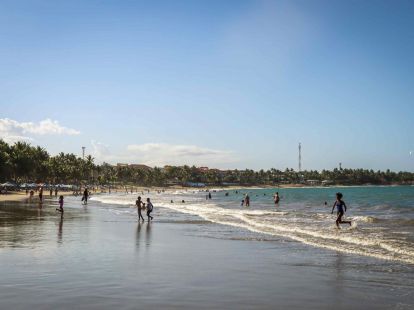
- 400m2
- 3
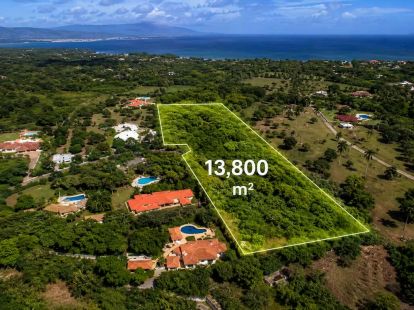
- 13 800m2
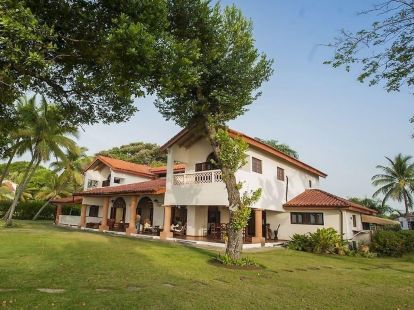
- 840m2
- 2
- 9
- 7

- 400m2
- 1
- 5
- 5
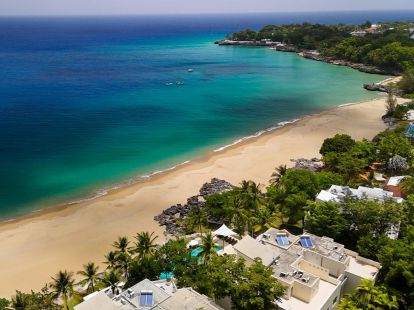
- 246m2
- 2/3
- 3
- 3
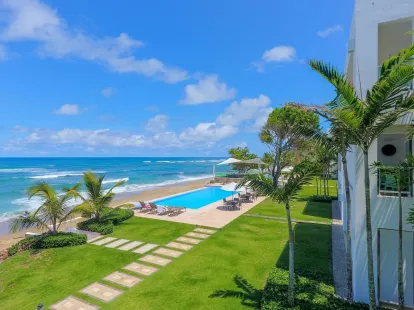
- 169m2
- 3
- 3
- 2
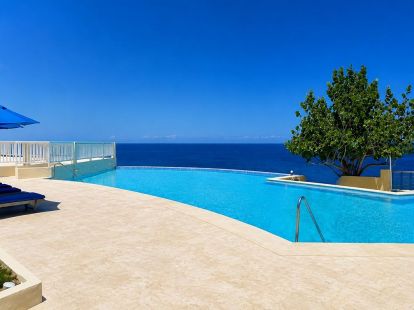
- 125m2
- 2
- 3
- 2
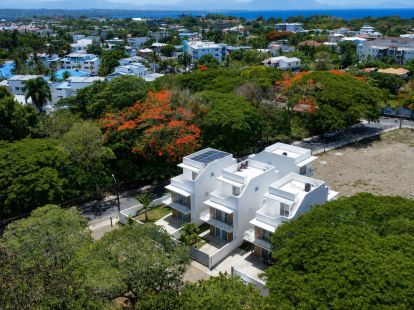
- 193m2
- 2
- 3
- 4