
Secondary Real Estate in Miami
Secondary real estate in Miami is ready housing direct from the owner: condominium apartments from studio to four bedrooms, penthouses, single-family homes, villas, townhouses, and duplexes. The price includes the property's history: inspection reports, board minutes, and the actual size of fees. The median meter across the county is $5,005. Buyers purchase in Brickell, Edgewater, Coral Gables, Doral, and Miami Beach. An apartment negotiates at 6% below the first price, a house at 5%. Rental yields 4.3–6.9% gross.
- 43m2
- 1
- 1
- 51m2
- 1
- 51m2
- 1
- 51m2
- 1

- 2
- 2

- 223m2
- 3
- 3

- 1 972m2
- 3
- 2

- 1
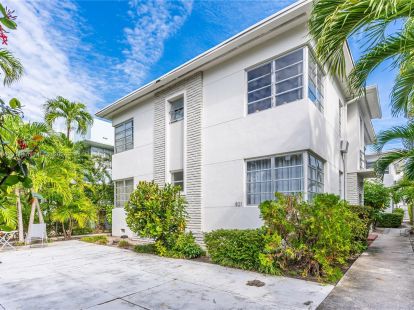
- 62m2
- 1
- 1
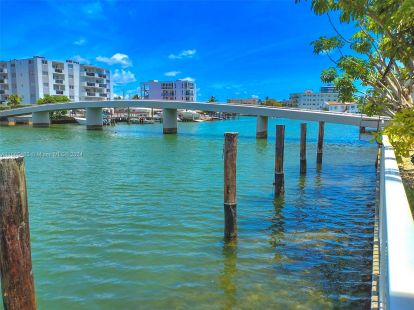
- 59m2
- 1
- 1
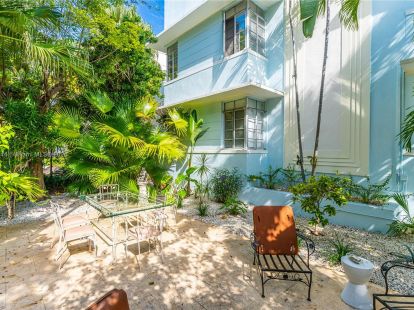
- 60m2
- 1
- 1

- 46m2
- 1
- 1
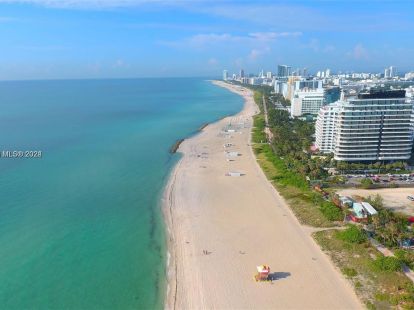
- 40m2
- 49m2
- 1
- 1
- 1
Miami Secondary Market: Prices by Area and Yields, 2026
| Segment and Meter | Prices by Area | Who It Suits and What Matters to an Investor |
|---|---|---|
| Affordable Housing meter from $2,400 older condos and standard houses |
Homestead — $2,390–3,444 Hialeah — $3,412–3,488 Cutler Bay — $3,455–3,681 Little Havana — $3,670–4,176 |
First purchase, rental to local families on a yearly basis. The widest choice: in Homestead, 2,037 lots are on the market at the same time, so negotiation here runs deeper than the market average. |
| Bedroom Districts meter from $3,600 condos from the 2000s, townhouses, duplexes |
Little Haiti — $3,584–4,564 Doral — $3,810–4,080 Miami Springs — $4,715–5,845 Aventura — $6,135–6,458 |
Relocation with children, long-term rental without a management company. In Doral, 584 lots are on the market, and the area holds its price thanks to schools and proximity to the airport. |
| Urban Towers meter from $6,800 apartments in high-rise condominiums |
Edgewater — $6,824 Downtown and Brickell — $7,535–10,226 |
Rental to people coming for work and resale. A one-bedroom yields 5.1–6.9% gross; after fees, tax, and insurance, 2.6% remains. The meter in Brickell fell by 8% over the year, with over 1,000 lots on the market. |
| Prestigious Houses meter from $7,400 villas and mansions on a plot |
Miami Shores — $7,352 Pinecrest — $8,783–9,483 Coral Gables — from $9,957 Coconut Grove — $10,215–11,700 |
Family housing and capital preservation: a house pays no association fees and does not fall under condominium inspections. In Miami Shores, transactions close 19% below the asking price; in Pinecrest, 41% of lots sell within three months. |
| Coast and Islands meter from $8,100 resort condos, residences, waterfront houses |
Bay Harbor Islands — $8,073 Surfside — $9,537–12,378 Key Biscayne — $10,699–21,162 Miami Beach — $12,680 Bal Harbour — $13,670–42,248 Fisher Island — $25,736–30,000 |
Personal vacation, short-term rental where the city permits it, and entry into a dollar asset. Surfside keeps a lot on the market for 155 days; in Bal Harbour the period shortened from 176 to 62 days, while the meter added 26%. On Key Biscayne the choice is narrow — 191 lots. |
The meter is converted from the price per square foot based on closed and active lots of the first half of 2026. The spread within an area is set not by the address but by the specific building: in Sunny Isles Beach, the meter in a latest-generation tower is 50–73% more expensive than a resale in a late-1990s building across the street.
Mortgage calculator
Our offices in Miami

Real Estate Sales in Miami on the Secondary Market
Discount House maintains a resale database across Miami-Dade County: lots from owners, from investors exiting a deal, and from owners who inherited the property. The filter selects Miami secondary housing by price, area, type, floor area, number of bedrooms, year the home was built, size of fees, and presence of rental income. Separate keys — water access, parking, permitted short-term rental, sale with a tenant. Found something suitable — leave a request: the manager pulls the chain of past transactions on the property, the association budget, the minutes, and open liens, after which they state the price at which the lot will realistically sell.
Two Markets Under One Request
Condominiums and houses on the Miami secondary market live by opposite rules, and this is the main thing worth knowing before the first viewing.
- Condominium apartments. Supply inventory — 12.1 months, meaning a buyer's market. The median apartment price is $408,000, and it has not grown over the year. From listing to money takes 108 days, and half of transactions close without a mortgage. Here, people negotiate and choose.
- Houses with a plot. Inventory — 4.9 months, a seller's market. The median house price is $680,000, with almost 4% growth over the year. The sale period is 80 days, and every fourth house sells for cash. Here, people decide quickly and compete with other buyers.
The practical conclusion: in an apartment, room for negotiation is built into the price; in a house, there is almost none. Penthouses and luxury residences follow the rules of apartments; building plots and bungalows follow the rules of houses.
Why Resale Is Cheaper Than New Construction
The same area yields two different prices per meter. In Edgewater, a ready apartment from an owner costs 21–42% less per meter than one in a building at the foundation stage. The gap is not explained by quality: the developer sells installments, turnkey finishes, and a warranty, while the owner sells a property about which everything is already known. On resale you see the actual receipt for fees instead of a forecast, the real insurance bill instead of the broker's estimate, board minutes for several years, and the amount of all assessments levied. The apartment can be rented from the first month rather than in three years, and the deal closes in weeks rather than waiting for the building's handover. The flip side is wear: instead of the developer's warranty, you get a queue for repairs.
Building Documents: What to Request Before the Deposit
The service life of a building in Florida is counted from the year built, and for coastal Miami the meter runs faster. Recertification in Miami-Dade is mandatory at 25 years if the building stands within three miles of the coast, and at 30 years inland, then every ten years. Condominiums of three or more residential stories additionally undergo a milestone inspection: the first phase is a visual examination of load-bearing structures, and the second phase is launched only if serious damage is found. The statewide deadline is December 31, 2026; 8,736 buildings have already closed the first phase, and 1,575 fell into the second. In parallel, the association is obliged to maintain a reserve study for the roof, load-bearing walls, waterproofing, windows, electrical, plumbing, and fire protection systems — waiving these reserves by vote is no longer possible.
This gives rise to a limitation not written in listings: a building that has not cleared its findings enters the closed list of Fannie Mae and loses access to a conventional mortgage. The list contains 5,175 addresses nationwide, 1,438 of them Floridian, and about 696 stand in the three southern counties. Such a lot can be sold, but only for cash, under a state program, or under a loan from a bank that holds the note itself. The 2026–2027 deadlines tighten the selection: from July 1, the deductible on the building's master insurance is capped at $50,000 per apartment; from August 3, the simplified building review was abolished; and from January 4, the minimum reserve contribution rises from 10 to 15% of the budget. Therefore, five papers are requested before the deposit: the recertification letter with the next date, the first-phase report, the reserve study with a schedule, the minutes on levied and discussed assessments, and the list of open repairs.
Transaction and Buyer's Costs
The procedure for buying a ready property is shorter than for a construction project and consists of six steps: an offer with a deposit of 1–3% to the title company's account, an inspection period of 10–15 days with the right to exit and recover the deposit, a request for the association documents, a title search and title insurance, board approval of the buyer, and closing in 30–45 days. To buy secondary housing, a foreigner needs no citizenship or status, and there are no restrictions on type or price; with a mortgage, a down payment of 30–40% and a bank appraisal of the property will be required. Beyond the price, count: the registration fee of $0.70 per $100, title insurance, the services of the title company and attorney, and the proration of tax and fees for the current period. The 5–6% commission is paid by the seller. Ownership is registered to an individual, in joint ownership, to a trust, or to a company — the last option is chosen when the property is intended for rental.
Taxes, Liquidity, Pitfalls
Property tax in the county is calculated at a rate of 16.8983 to 19.9544 mills: that is 1.7–2.0% of appraised value per year. The key trap of resale is the assessment reset. The 3% annual growth cap, and 2.7% in 2026, protects only the person who lives in the home and has filed the primary residence exemption; it does not pass to the new owner. From January 1 after the transaction, the property is reassessed at market value, and the seller's bill accumulated over the years does not concern you — you will pay from the new base. For housing bought not for personal occupancy, the assessment growth cap is 10% per year, and the school portion of the tax does not fall under it. The exemption itself in 2026 is $51,411, and it is unavailable to a non-resident. A ballot amendment has been placed on the November 3, 2026 vote: from 2027 the non-school exemption will rise to $150,000, from 2028 — to $250,000, while the cap for a second home will drop to 5%; those who move after January 1, 2027 will need five years of residence in the state. On sale, 15% of the transaction amount is withheld from a foreigner against federal tax.
Secondary-market liquidity rests on the willingness to negotiate: a quarter of listed lots reduce their price, and transactions close on average at 94.8% of the asking price. A short list of what breaks the yield calculation. Association fees in buildings from before 2000 are lower — $0.55–0.68 per foot per month against $0.85–1.10 in new ones, but it is precisely in old buildings that a one-time assessment for repairs is levied: $3,000–25,000 per apartment, and one such assessment eats the savings on fees for two to five years. Personal apartment insurance in the county costs about $2,300 per year and has risen by almost 40%. The board has the right not to approve a buyer and to restrict rentals: in some buildings, leasing is permitted no more than once a year, and short-term rental is prohibited by city zoning, not by the building. Finally, for waterfront properties, flood insurance is calculated separately — its cost depends on the zone and is not included in the listing price.