
ROMAN AQUEDUCTS
An aqueduct in a narrower sense is called a part of a conduit in the form of a bridge...
- From Origins to Grand Structures
- What It Is and Why It's Brilliant
- Mind-Blowing Statistics
- Water as Luxury and State Secret
- Technology, Health, and the Fall of an Empire
- Purification Without Chemistry: Settling Tanks and Terracotta
- Lead in Water: The Price of Comfort
- Roman Baths and the Hypocaust
- Travel, Tourism, and Modernity
- Where to See Great Aqueducts Today
- How to Get There and What to See
- Real Estate and Cost of Living Near Ruins
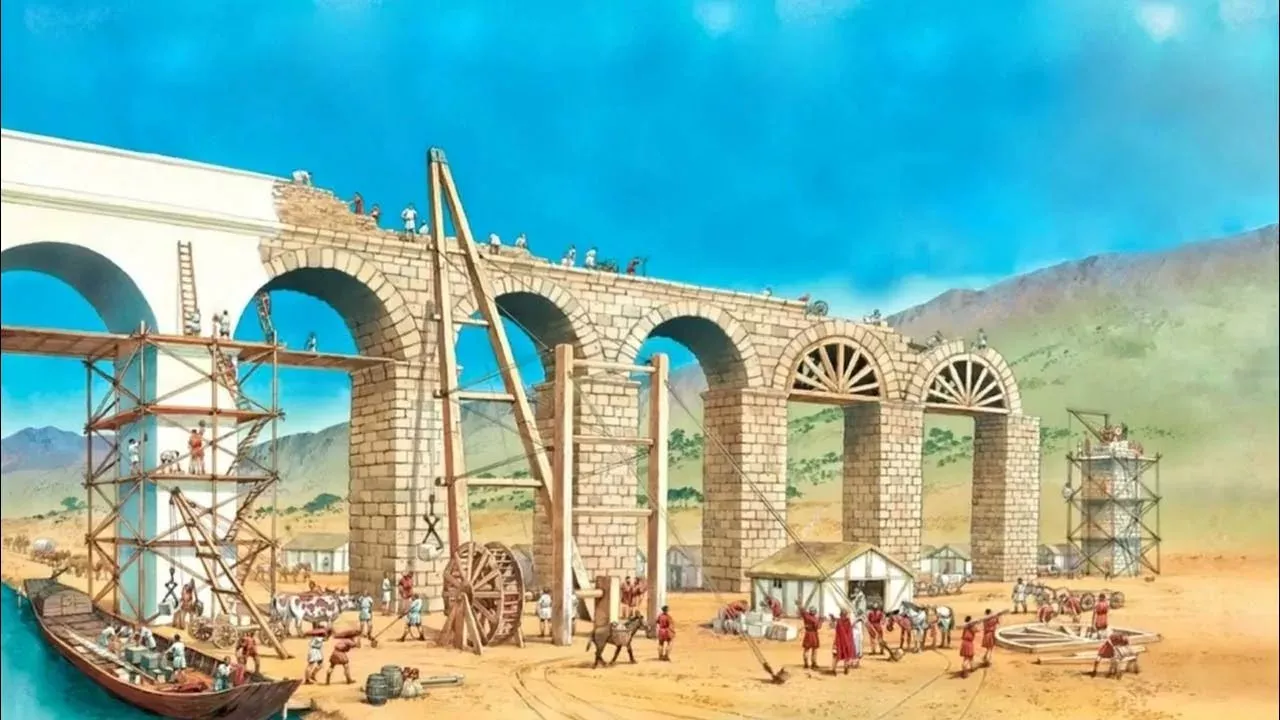
From Origins to Grand Structures
What It Is and Why It's Brilliant
An aqueduct, from Latin aqua (water) and ducere (to lead), is a water conduit. It is not just a pipe, but a complex engineering system for delivering water to populated areas from higher-elevation sources. In a narrower sense, an aqueduct refers to the bridge-like section over a river or ravine, similar to a viaduct but designed for water flow rather than roads. These structures were built from stone, brick, and later from iron and reinforced concrete. While the first systems appeared in the Middle East (Assyrians built canals stretching 80 km), it was Roman engineers who perfected the technology, using waterproof pozzolanic concrete and turning utilitarian structures into architectural masterpieces.
Mind-Blowing Statistics
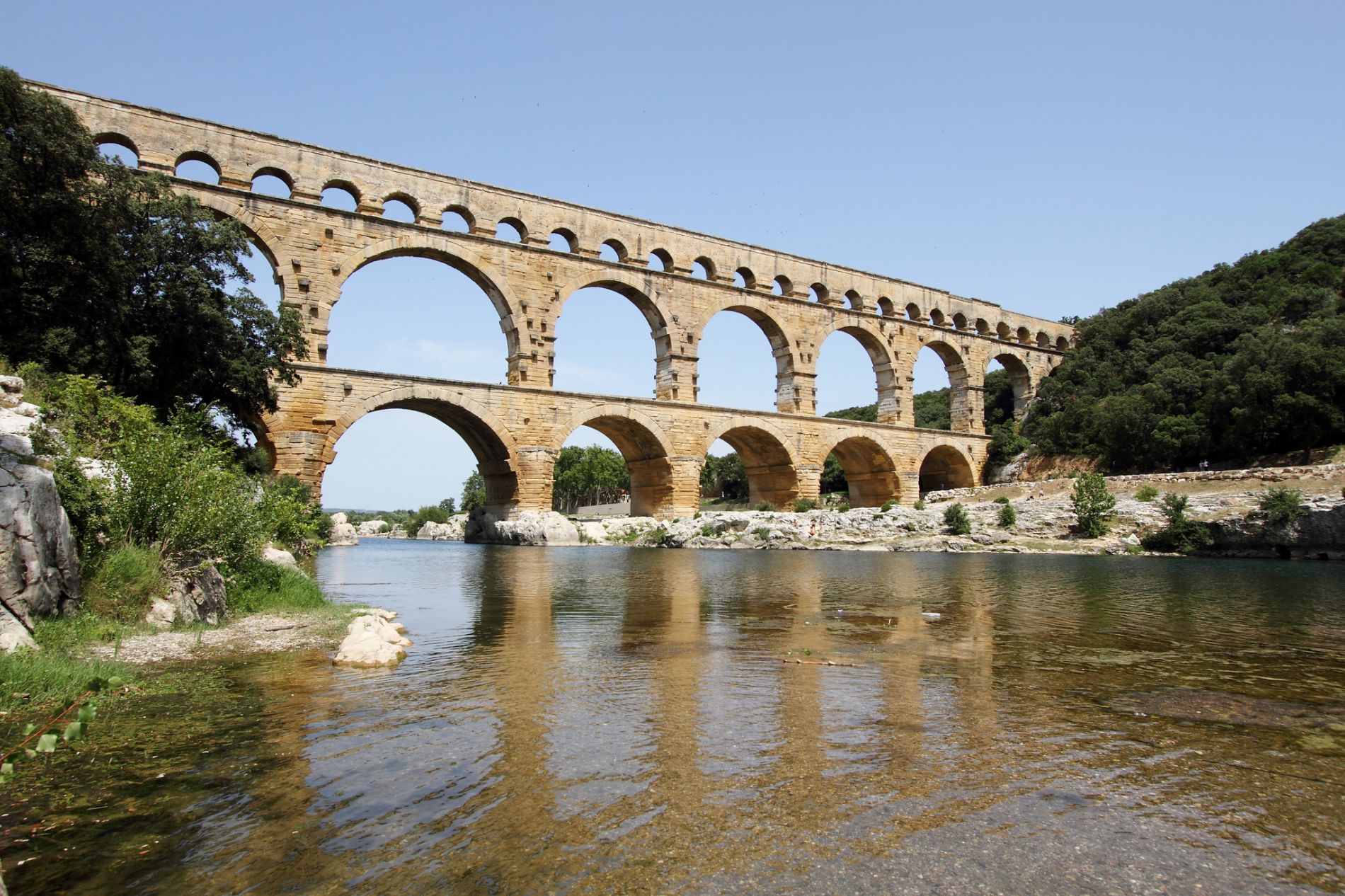
The ancient Romans invested as much effort in building aqueducts as the Egyptians did in constructing pyramids. The Eternal City boasted 11 aqueducts with a total length of nearly 350 kilometers. Remarkably, most of these routes ran underground, protecting water from enemies and contamination. The longest Roman aqueduct stretched 141 kilometers, supplying water to Carthage in modern-day Tunisia. Slopes were calculated with jewelry precision: the famous Pont du Gard in France has a drop of just 34 centimeters per kilometer (1:3000). Such structures carried up to 20,000 cubic meters of water daily, with Rome receiving 1.5 million cubic meters per day.
Water as Luxury and State Secret
The Aqua Virgo, built in 33 BC, still functions today, supplying the Trevi Fountain with the city's best water. However, in ancient times, water from aqueducts remained a luxury item for a long time. The bulk was intended for public needs: baths, fountains, and imperial palaces. Ordinary citizens could only collect water overflowing from street basins. This gave rise to criminals — "punchers" who stole water by tapping into pipes. Such unauthorized connections were considered state crimes, as water was a strategic resource.
Срочная продажа

 Barcelona, Spain
 Barcelona, Spain
 Barcelona, Spain
 Barcelona, Spain
 Barcelona, Spain
 Barcelona, Spain
 Barcelona, Spain
 Barcelona, Spain
Technology, Health, and the Fall of an Empire
Purification Without Chemistry: Settling Tanks and Terracotta
Water back then was chemically cleaner but physically dirtier. The Romans knew nothing of disinfection, as the microscopic world hadn't been discovered yet. Water purification was achieved through sedimentation in special settling tanks, where suspended particles were removed. For pipes, they used lead and terracotta. The renowned architect Vitruvius strongly recommended clay pipes, as he observed that lead led to poisoning. Terracotta pipes were made conical for easy joining and sealed with lime mortar. Unfortunately, the cheapness of lead often triumphed over common sense.
Lead in Water: The Price of Comfort
Lead pipes became the Achilles' heel of Roman civilization. Water flowing from clean springs became saturated with this heavy metal on its way to the city. Constant consumption led to lead accumulation in the body, causing cancer and reduced intelligence. Historians link this to moral decline and physical degeneration of the elite. The result was grim: most Romans did not live to 30, suffering from chronic illnesses caused not only by infections but also by widespread poisoning.
Roman Baths and the Hypocaust
Despite drinking water problems, Romans adored baths, which consumed the lion's share of water. Thermae consisted of many rooms with pools where water was constantly renewed. But the true engineering marvel was the heating system — the hypocaust. Floors and walls were heated by hot air from a furnace stoked by slaves. Special hollow bricks (besalis, tegulae mammatae) created cavities for heat circulation. This was history's first "underfloor heating," a luxury available only in baths and homes of wealthy patricians.
Travel, Tourism, and Modernity
Where to See Great Aqueducts Today
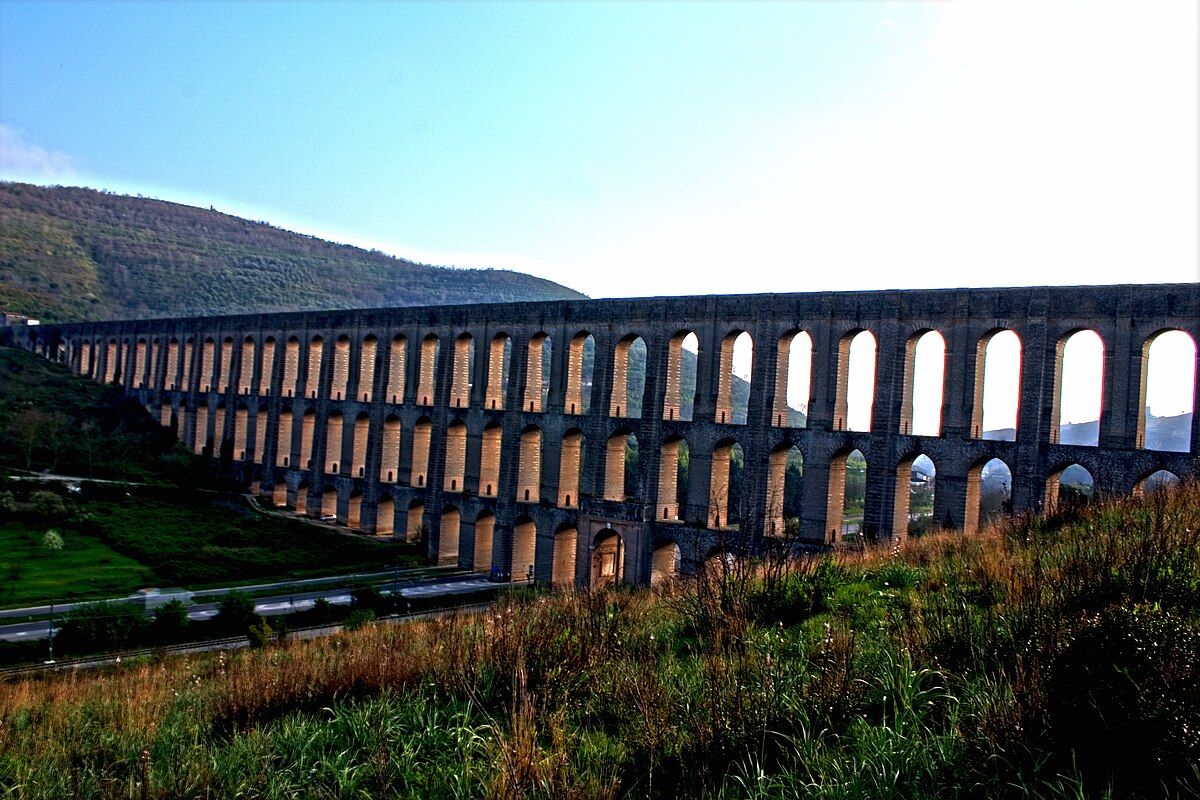
Much of Roman engineering knowledge was lost during the Dark Ages, but some masterpieces have reached us in perfect condition. France's main attraction — the Pont du Gard, a 49-meter-high ancient Roman aqueduct — attracts millions of tourists annually. Germany preserves the Eifel Aqueduct, illustrating underground piping mastery. In Rome itself, you can visit the Park of the Aqueducts (Parco degli Acquedotti), a green zone in the city's southeast where ruins coexist with modern bike paths.
How to Get There and What to See
For tourists planning a trip, Rome remains the main attraction. The nearest airport is Fiumicino (Leonardo da Vinci). Local currency is the euro. You can reach the Park of the Aqueducts by metro (line A, Giulio Agricola station) or tour bus. Entry is free, but guided tours cost between 15 and 30 euros. In 2026, Rome and all Italy expect a tourist influx due to the Catholic Church's jubilee year, so hotels should be booked well in advance.
Real Estate and Cost of Living Near Ruins
Neighborhoods adjacent to historical aqueducts vary in prestige. Rome's most expensive districts — the historic center (Centro Storico) and Parioli — see square meter prices reach 10,000-12,000 euros. In the Appio Latino and Tuscolana areas, home to the Park of Aqueducts, prices are more democratic: from 3,500 to 5,000 euros per meter. This is an excellent option for buying property near the center but in a green zone. The cheapest housing is in bedroom communities like Tor Bella Monaca, where a meter costs about 2,000 euros, though infrastructure is less developed and there are virtually no attractions.