
Houses in Spain


- 486m2
- 4
- 5
 Spain
Spain

- 417m2
- 5
- 6
Spain

- 329m2
- 4
- 3
Spain

- 71m2
- 2
- 2
Spain

- 615m2
- 3
- 4
Spain

- 117m2
- 3
- 2
Spain
 Spain
Spain

- 196m2
- 4
- 4
Spain

- 270m2
- 5
- 5
Spain

- 220m2
- 3
- 2
Spain

- 165m2
- 3
- 2
Spain

- 139m2
- 3
- 3
Spain

- 140m2
- 3
- 3
Spain

- 106m2
- 3
- 2
Spain

- 116m2
- 3
- 3
Spain

- 154m2
- 3
- 3
Spain
Buying a House in Spain in 2026: A Complete Guide
Why buy a house in Spain specifically? The answer is simple: it's one of the best ways to gain not just property, but a new level of life. With a climate where summer lasts for 8 months, a safe environment for families, a stable economy, and—importantly for 2026—a market fully recovered from the crisis. According to the Spanish Ministry of Transport, the average price of rural property has risen by 3.5% over the last year, showing confident, non-speculative growth. A house here is an asset that can be rented out with a yield of 4-7% per annum, used to obtain a residence permit through investment (Golden Visa from €500,000), or made into your permanent home for retirement or remote work.
What types of houses can you buy in Spain?
There are many options, and it's important to understand the difference. A Villa (Chalet) is a detached house with private land, often with a pool. It can be part of a gated community (Urbanización Cerrada) with shared security and infrastructure. A Townhouse (Casa Adosada) is a house with shared walls with neighbours, usually in a row. This is a golden mean between privacy and an affordable price, popular in coastal towns. A Bungalow is a single-storey house, often in resort complexes, ideal for holidays. A Cortijo is a traditional Spanish country house in a rural area, usually requiring renovation but offering lots of space and authenticity. A Duplex (Dúplex) is a two-level apartment, sometimes in a house format. The key choice is between a new build from a developer with a warranty and modern energy efficiency standards (Class A) and a ready-made house on the secondary market, where you can immediately assess the garden and neighbours.
How much does a house in Spain cost in 2026?
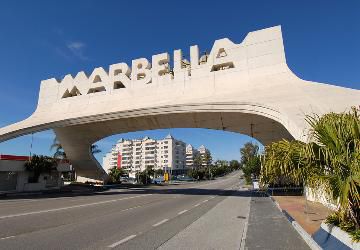
Prices start from €120,000-150,000 for a small townhouse or a house in need of renovation in regions like Murcia or the inland areas of Andalusia. A comfortable house with 3-4 bedrooms, in good condition and 10-15 minutes' drive from the sea on the popular Costa Blanca (for example, in the Orihuela or Torrevieja area) will cost €250,000-400,000. Premium-class villas with a pool and sea views on the front line in Marbella, Ibiza, or the outskirts of Barcelona start from €800,000 and easily reach several million. In addition to the price, budget an extra 10-14% for associated costs: notary services, registration in the Property Registry (Registro de la Propiedad), and taxes.
The process of buying a house for a foreigner is transparent and takes 2-4 months. The first mandatory step is obtaining an NIE (Foreigner Identification Number) for all financial transactions. Next comes the search and legal verification. For houses, due diligence is especially important: you need to ensure the cleanliness of the title, the absence of debts on property tax (IBI) and utility payments. It is particularly critical to check the building license, the condition of the roof, foundation, septic tank, or connection to the sewage system. After this, a preliminary contract (Contrato de Arras) is signed, into which a deposit is paid (usually 10%). The final stage is signing the public deed before a notary (Escritura Pública) and registering the ownership.
Who buys and where?
Retirees from Northern Europe often choose calm, flat, and sunny areas of the Costa Blanca (Torrevieja, Guardamar) with developed medical infrastructure. Families with children look for safe gated communities (Urbanizaciones) with pools, parks, and proximity to international schools in areas of the Costa del Sol (Estepona, San Pedro de Alcántara). Investors focused on rental income concentrate on popular tourist destinations: the Costa Brava coast (for example, Palamós), the surroundings of Málaga, and, of course, the islands (Tenerife, Mallorca). For legal rental, a tourist license (Licencia de Turismo) is required, and managing the house from a distance can be helped by a local management company (Gestoría), which will take care of cleaning, pool maintenance, and utility bills. Buying a house in Spain is a step towards the lifestyle you dream of.