A house in Alicante: villas, townhouses and bungalows
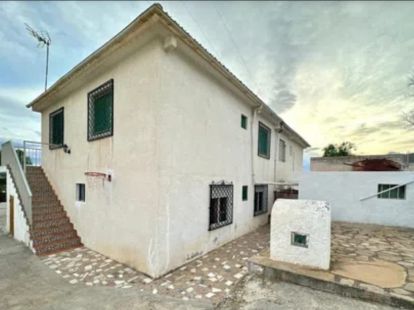
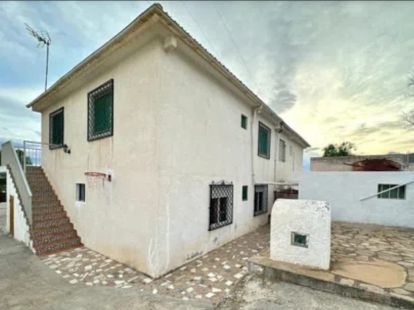
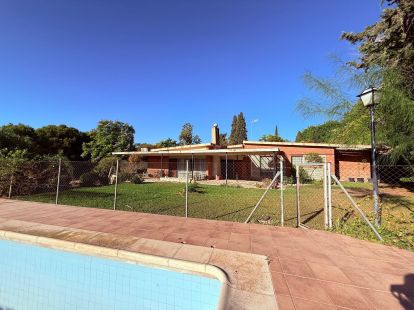
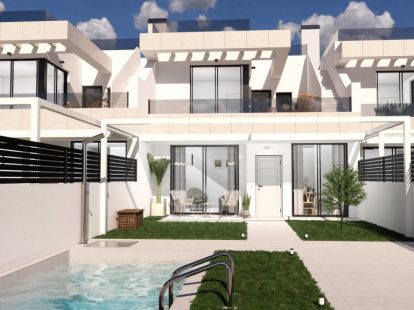
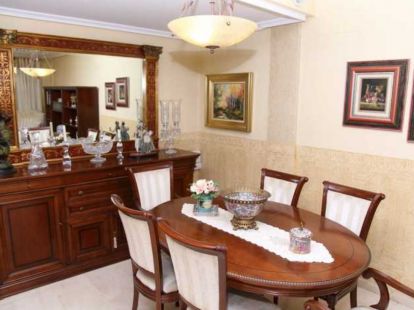
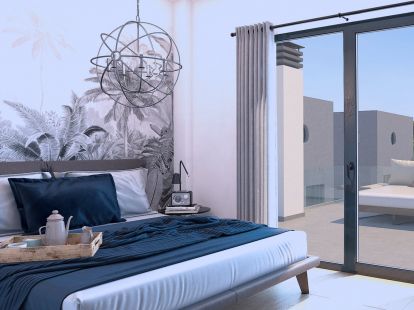
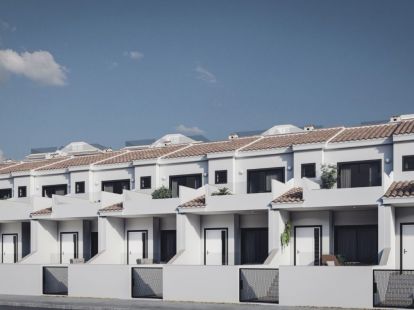
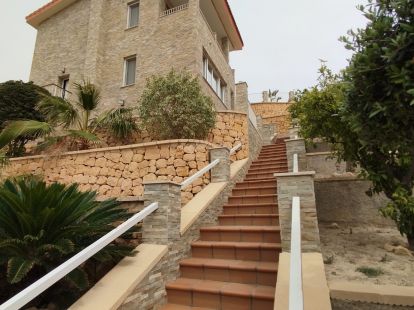
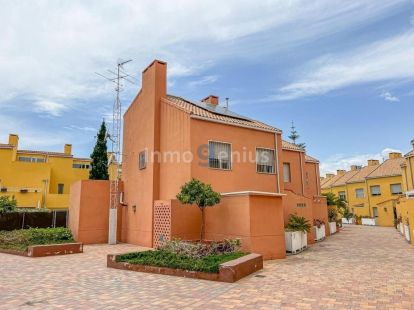
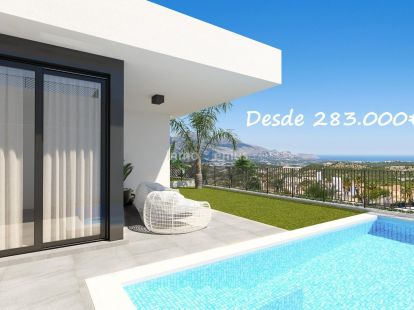
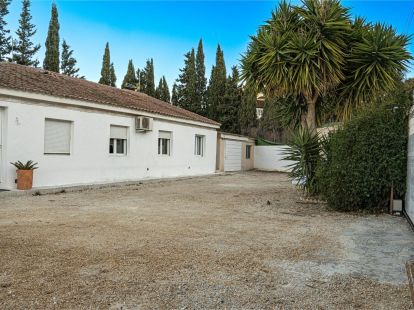
A house in Alicante is not only a building but also ownership of the land: this makes buying it fundamentally different from buying an apartment and requires a more thorough technical inspection of the property. The market offers three main types: a detached villa (chalet independiente) with its own plot and garden, a townhouse (adosado) in a gated community with shared areas and parking, and a single‑storey bungalow for minimal maintenance — a popular choice among European retirees. Buying a house in Alicante in 2026 is not just acquiring a building but a capital‑intensive asset that includes ownership of the land (territory), which fundamentally distinguishes it from buying an apartment and requires a more comprehensive approach to valuation, inspection and upkeep.
Villas vs townhouses: differences in price and maintenance
The average price of a villa in Alicante is €2,600–3,000 per m², and of a townhouse — €2,200–2,500 per m². A villa offers maximum privacy and freedom to manage the plot, but entails higher maintenance costs: the IBI tax is higher because of the land, plus full garden and pool maintenance falls entirely on the owner. A townhouse, thanks to common areas (comunidad), is cheaper to run but limits privacy. Inexpensive houses in Alicante — from €135,000 — usually need renovation and are more common among townhouses on the secondary market built in the 1980s–1990s.
Districts of Alicante for buying a house
The upscale coastal districts — Playa de San Juan and Cabo de las Huertas — command the highest prices for villas by the sea. Quiet family‑oriented locations such as Pla del Bon Repós and Benalúa offer developed infrastructure with a more moderate budget. An affordable entry point to the market is Los Ángeles and Parque Avenidas, due to their distance from the sea. Detailed price thresholds and the purpose of each district are given in the table below.
Process of buying a house for a non‑resident: 6 steps
- NIE and bank account. Obtaining a foreigner's identification number and opening an account in a Spanish bank — without these you cannot sign any contract.
- Financial planning. Budget with an additional 15–20% for taxes, notary and possible renovation.
- Extended Due Diligence. Cadastral site plan (Planimetría catastral), report on the condition of the roof and foundations, verification of easements (access rights) and water supply and sewage systems (septic tank) — these are not part of due diligence when buying an apartment.
- Contrato de arras. Preliminary contract with a deposit, usually 10% of the property price.
- Mortgage, if needed. Financing secured by the land and building, requiring an independent bank appraisal (tasación).
- Escritura before a notary. Payment of the remaining balance and the ITP tax (10% in Valencia), registration in the land registry and connection of utilities.
Hidden costs of maintaining a house
In addition to utility bills, annual costs include: higher IBI tax due to the land, building and liability insurance, garden care and pool maintenance. For a townhouse, part of these costs is distributed through the comunidad; for a detached villa, they fall entirely on the owner.
Mortgage for non‑residents
A mortgage on a house in Alicante for a non‑resident is secured against the land and building — the bank always carries out an independent valuation (tasación), which may differ from the seller's price. Due to the more complex liquidity of houses with land, financing terms for non‑residents are usually stricter than when buying an apartment. The interest rate starts from 4%.
Rental yield
Long‑term rental of a house in Alicante generates a net yield of 3.2–4.5% per annum. Seasonal rental of a seaside villa is more profitable — 6–9% — but requires professional management and carries risks of vacancy off‑season. The main risk when buying a house as an investment is overestimating the renovation potential of the property or its liquidity in a crisis: a house is harder and takes longer to sell than an apartment.
Residency when buying a house
Buying a house in Alicante does not automatically grant residency. The Golden Visa programme for property owners has been closed since 2025. Nevertheless, owning a house remains a significant asset when applying for residency without the right to work or for a digital nomad visa, where income from abroad is separately confirmed.