
Time zone and time in Paris
- Time Zone in Paris: Technical Parameters and Time Standards
- What is UTC and Why is it Important for Travelers?
- History of Daylight Saving Time in France: From Economy to Tradition
- Time Difference Between Paris and Russian Cities in 2026
- WHERE IS PARIS LOCATED AND HOW TO GET THERE
- Geolocation and Coordinates of the French Capital
- WHAT TO SEE AND HOW TO PLAN YOUR BUDGET
- Main Attractions and Architectural Masterpieces
- How Much Does a Trip to Paris Cost: Prices and Budget 2026
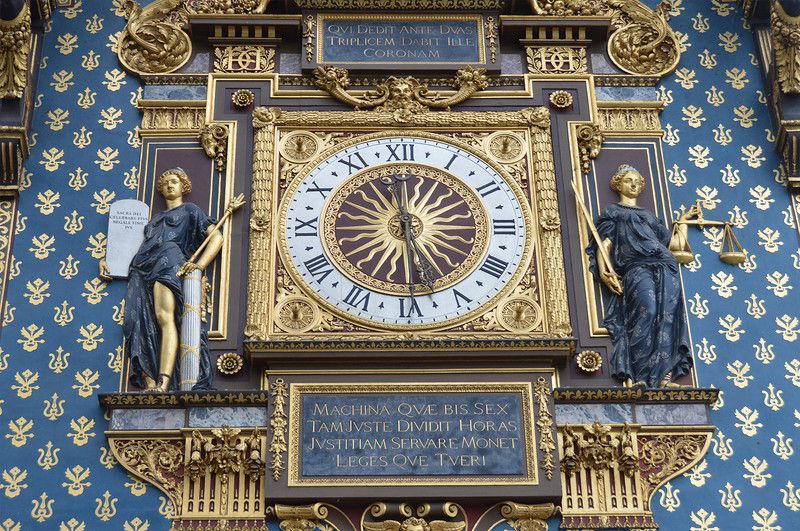
Time Zone in Paris: Technical Parameters and Time Standards
Paris, like all of metropolitan France, operates within the Central European Time zone, abbreviated as CET. In the international UTC (Coordinated Universal Time) standard, this corresponds to UTC+1 offset during the winter period. This standard was officially adopted in France back in 1911, although historically the country long resisted linking to the Greenwich Meridian. Today, this means astronomical noon in the capital occurs about an hour later than in London, shifting daylight to the evening hours.
What is UTC and Why is it Important for Travelers?
UTC is an atomic time standard that replaced the outdated GMT (Greenwich Mean Time). For tourists arriving from Moscow (MSK, UTC+3) or other regions, it is critically important to understand the time difference with Paris. Unlike Russia, France has retained seasonal daylight saving time, so the difference is unstable. In winter (from late October to late March), Paris time is 2 hours behind Moscow. In summer, when Parisians switch to UTC+2 (CEST — Central European Summer Time), the difference reduces to one hour. This knowledge is essential for booking tickets, online flight check-ins, and planning calls with family.
History of Daylight Saving Time in France: From Economy to Tradition
The idea of seasonal time in Paris has deep roots. Benjamin Franklin first suggested saving candles by using morning sunlight in 1784 while serving as the American ambassador to France. However, practical application only came in the 20th century. Daylight saving time was first introduced during World War I to save coal and was permanently established in the 1970s after the oil crisis. Today, the time change in France is regulated by an EU directive: the switch to summer time (CEST, UTC+2) occurs on the last Sunday of March at 2:00 AM, and the return to winter time (CET, UTC+1) on the last Sunday of October at 3:00 AM.
Time Difference Between Paris and Russian Cities in 2026
In 2026, the usual order of time calculation will remain. Moscow operates on permanent UTC+3. Thus, during the period from March 29 to October 25, 2026 (summer time in Paris), the difference will be minus 1 hour. When it is noon in Moscow, it is 11:00 AM in Paris. For the rest of the year, the difference increases to minus 2 hours. For residents of Saint Petersburg, these figures are identical to Moscow's. However, travelers from Yekaterinburg (UTC+5) need to subtract 4 hours in winter and 3 hours in summer. Due to such differences, many tourists experience jet lag, especially when flying from beyond the Urals.
How to Adapt to the New Time: Tips for Tourists
Acclimatization after a flight from Russia to Paris is usually milder than when traveling to Asia or the USA, but the change in rhythm is still noticeable. To minimize stress on the body, it is recommended to switch your watch to Paris time while still on the plane and try not to sleep during the flight if it is still daytime at your destination. Upon arrival at Charles de Gaulle or Orly airport, try to spend more time outside: sunlight helps reset circadian rhythms. Parisians dine late (around 8:00 PM), so try to adapt to the local eating schedule to get into the swing of things faster.
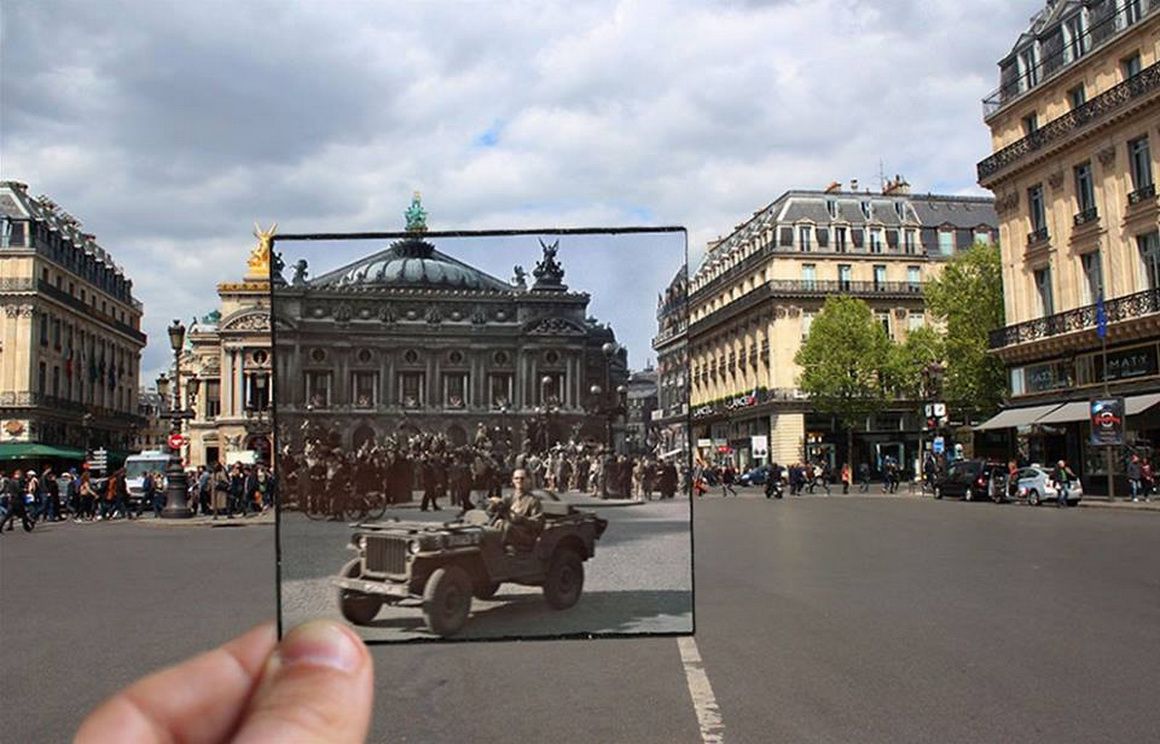
WHERE IS PARIS LOCATED AND HOW TO GET THERE
Geolocation and Coordinates of the French Capital
Paris is located in the northern part of France, on the banks of the River Seine, in the historic region of Île-de-France. The approximate geographical coordinates of the city center are 48.8566° North latitude and 2.3522° East longitude. The city stretches about 18 kilometers from west to east and about 11.5 kilometers from north to south. The total area of the city within the ring road (the Boulevard Périphérique) is 105.4 square kilometers, but with its suburbs, the agglomeration expands to colossal proportions.
Nearest Airports and Transport Accessibility
The country's main air gateway is the international Charles de Gaulle Airport (CDG), located 25 kilometers northeast of the center. It is the second busiest airport in Europe, receiving flights from Moscow and Saint Petersburg. You can reach the city center on the high-speed RER B train in 35 minutes. The second major hub is Orly Airport (ORY), 14 kilometers south, which more often serves budget airlines and domestic flights. Travelers also have access to Beauvais Airport (BVA), 85 kilometers away, from which shuttle buses run to the center.
Districts of Paris: Expensive and Affordable Accommodation Options
Paris is administratively divided into 20 districts (arrondissements), numbered in a spiral starting from the center. The most prestigious and expensive are the 1st (Louvre), 6th (Saint-Germain), 7th (Eiffel Tower), and 8th (Champs-Élysées). The cost of renting here can reach 40-50 euros per square meter per month. More budget-friendly options for tourists are considered the 10th, 11th, 18th (Montmartre area, except the foot of the hill), 19th, and 20th arrondissements. Here, the price per night in a hotel or apartment can be 30-40 percent lower with good transport links.
Buying Property in Paris: Investments and Prospects
Investors are often interested in the liquidity of Parisian real estate. In 2026, the market remains stable due to high tourist traffic. Apartments in the center, especially those with views of landmarks or in historic buildings with original architecture (beams, fireplaces), do not lose value. The average cost per square meter in Paris hovers around 10,000-12,000 euros, but depending on the district, it can drop to 7,000-8,000 or soar to 20,000. For investments, small apartments (studios or 2-room apartments of 35-65 m²) for daily tourist rental are often considered.
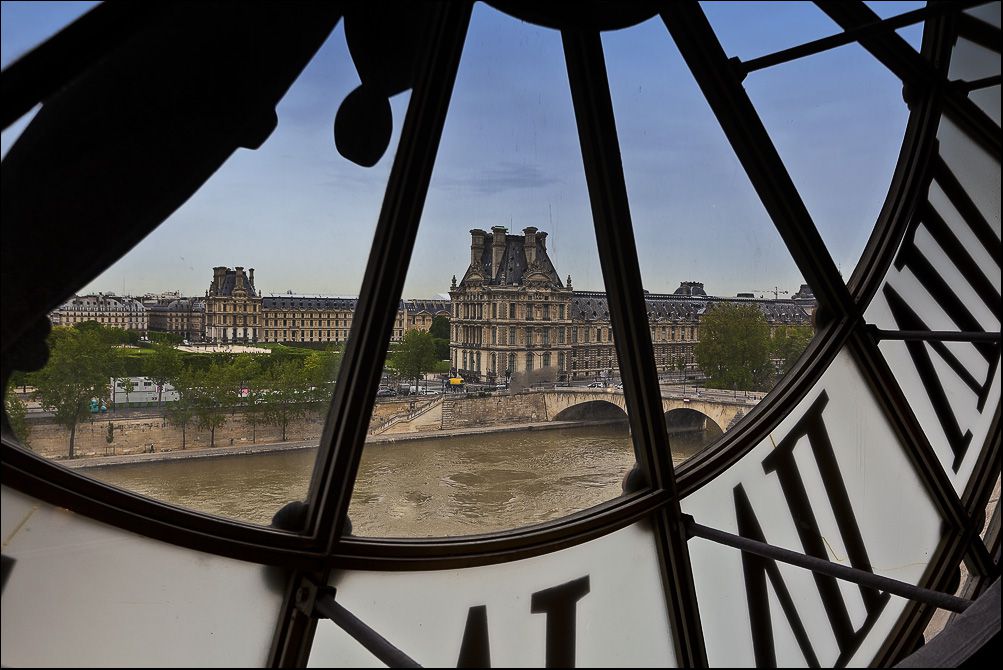
WHAT TO SEE AND HOW TO PLAN YOUR BUDGET
Main Attractions and Architectural Masterpieces
Parisian architecture is a multi-layered history textbook. From the Gothic spires of Notre-Dame Cathedral, whose restoration is actively ongoing, to the modernist Centre Pompidou. The undisputed symbol is the Eiffel Tower, built by engineer Gustave Eiffel for the 1889 World's Fair. Its height reaches 330 meters. Must-visits include the Arc de Triomphe on Place Charles de Gaulle and the Sacré-Cœur Basilica atop the Montmartre hill, offering a panoramic view of the city. The Louvre with its Glass Pyramid houses thousands of masterpieces, including the Mona Lisa.
Culture and Local Currency: What a Tourist Needs to Know
The local currency of France is the Euro (EUR). ATMs are widespread, but in Montmartre and tourist zones, one should be wary of skimming. Parisians value punctuality in business matters but are quite relaxed in everyday life. Pay attention to store opening hours: large department stores like Galeries Lafayette and Printemps are open from 10:00 AM to 7:30 PM, but many boutiques may close for a lunch break (12:00 PM to 2:00 PM), and in August, many establishments are closed entirely for holidays. Tips are usually included in the bill, but it is customary to leave small change (1-2 euros) for good service.
Popular Tours and Excursions in 2026
In 2026, themed excursions related to the legacy of the 2024 Olympic Games are particularly popular, as well as bicycle tours along the Seine embankments. Classic hop-on hop-off bus tours remain relevant for a first introduction to the city. History enthusiasts are recommended tours to Versailles, located 20 kilometers from Paris, or to the Loire Valley châteaux, though that is a full-day trip further away. Wine tours and croissant-baking workshops are also top search queries.
How Much Does a Trip to Paris Cost: Prices and Budget 2026
The cost of a trip depends on the season. High season is May, June, September, and the Christmas holidays. You can vacation inexpensively in November and January (except for the New Year holidays). The average check in an inexpensive bistro is 15-20 euros excluding drinks. Lunch in a mid-range restaurant will cost 30-40 euros per person. A weekly metro pass (Navigo) costs around 30 euros. An entrance ticket to the Eiffel Tower's third level ranges from 25 to 30 euros. When planning your shopping budget, remember that Paris operates a tax-free system for tourists from non-European countries (VAT refund of about 12 percent on purchases over 100 euros in a single store).