
The Legacy of Captain Edward John Smith: From the Titanic Tragedy to Investments in British History
So why does the public continue to be fascinated by the captain of...
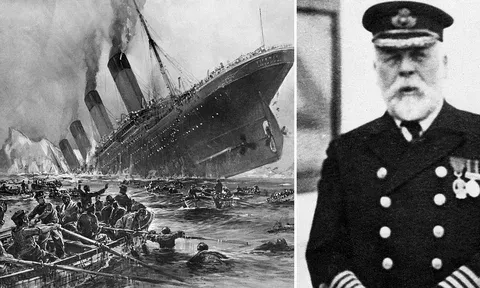
The Captain's Path: From Stoke-on-Trent to the Bridge of the Titanic
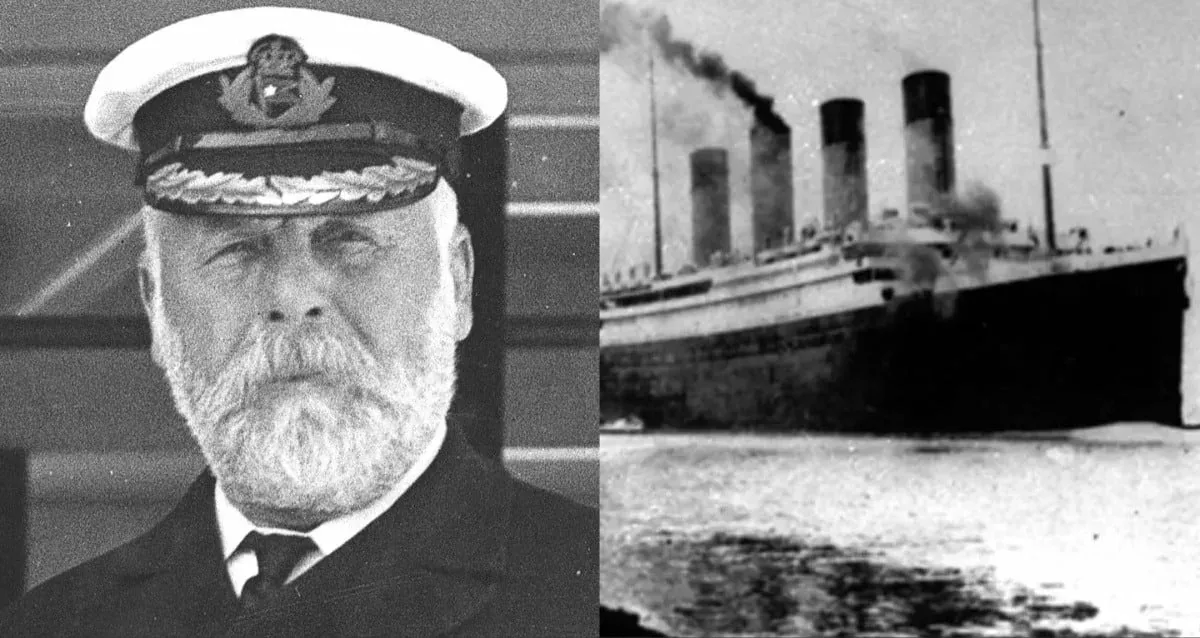
Born in the landlocked pottery town of Stoke-on-Trent, the son of a porcelain presser and grocer, Edward Smith rose to the rank of "Millionaire's Captain," the first choice for the aristocrats of the day, many of whom chose him for his reputation for safety and friendliness. His rise through the Edwardian social classes can be seen as an achievement in itself, but Smith went further, becoming captain of some of the largest ships of the era, including the Titanic's sister ship, the Olympic.
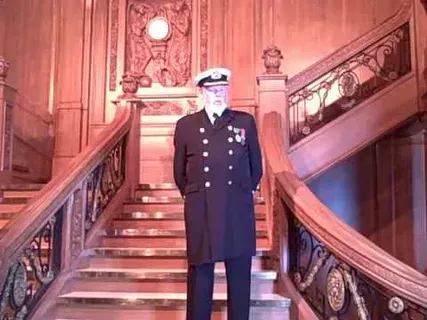
In his hometown, an exhibition is currently running dedicated to the links between Stoke-on-Trent and the liner. The exhibition at the Potteries Museum & Art Gallery displays a number of items belonging to Smith, as well as rare video footage of him on board the Olympic. Visitors are invited to review the evidence of how the ship met its end before voting for who they hold responsible. The votes will be announced later this year.
Curator Cathy Shingler said: "At the moment, the captain is ahead by a third, so he's still shouldering the blame. People write on the ballots, 'The captain of the ship is responsible for his ship.' They believe his actions were terrible and that Stoke should be ashamed of him." However, she added they could not let the anniversary of the sinking pass without acknowledging the captain's connection to the area.
Historian Ray Johnson, who organizes a weekend of research and entertainment on the anniversary of the sinking, said the captain attracts "international interest." "Whether you think him guilty or not, you can't ignore it," he said.
Titanica, a resolved sailor. A photo believed to show a young Edward Smith in front of the ship Essex. Smith went to Liverpool, following in the footsteps of his half-brother. One of the books about him, "Titanic Captain: The Life of Edward John Smith," was written by Gary Cooper. Mr. Cooper said his own interest in Smith arose not from any interest in the Titanic, but from an interest in the history of his hometown, Stoke-on-Trent.
Among the many myths surrounding the captain, perhaps the most famous and sinister is that he ignored iceberg warnings. Mr. Cooper said: "Smith certainly didn't ignore ice warnings as such, and he made sure they were all posted in the chartroom, although he did have to retrieve one he had previously passed to his boss, J. Bruce Ismay. Nevertheless, ice warnings were just warnings that ice had been seen at certain coordinates at a certain time, which Smith may have logged rather than acted upon. While Smith was, without a doubt, a determined sailor who drove his ships hard in conditions that might have frightened other captains, it's a historical fact that in the calm, clear weather of that night, it was not unusual for any captain to drive ships into ice areas at full speed, and several captains from other shipping lines testified to this at the disaster inquiries."
Срочная продажа

 London, England
 London, England
 London, England
 London, England
 London, England
 London, England
 London, England
 London, England
Historical Context and the Captain's Architectural Legacy
What is it? The legacy of Captain Edward John Smith is a collection of historical sites, memorials, and architectural objects in the UK linked to the life and tragic death of the commander of the infamous Titanic. Born on January 27, 1850, in Hanley, Stoke-on-Trent, the son of a pottery worker, Smith managed to rise to the rank of commodore of the White Star Line fleet and captain of the most luxurious liners of his era. His career was a path from apprentice on the ship "Senator Weber" to "Millionaire's Captain," the first choice of Edwardian aristocracy. However, his name is forever inscribed in history due to the fateful voyage of 1912 when the Titanic struck an iceberg and sank in the Atlantic Ocean. Captain Smith, following the unwritten code of maritime ethics, did not abandon the sinking ship and perished with it on April 15, 1912, leaving behind a complex legacy: from accusations of ignoring ice warnings to the image of a paragon of courage and honor.
Architecture and Attractions. The key object of the material legacy is a monumental sculpture. The statue of Captain Smith, sculpted by Lady Kathleen Scott (widow of polar explorer Scott), was erected in Beacon Park, Lichfield, Staffordshire, and unveiled by his daughter Helen in July 1914. It is a full-length bronze figure of the captain in his uniform coat and cap, with his arms crossed over his chest. The pedestal is made of Cornish granite, and on the bronze plate are engraved commemorative symbols: the Admiralty anchor, forty years of service, and a bar inscribed "South Africa 1899-1902" for his service in the Boer War. In Stoke-on-Trent itself, the captain's birthplace, the Potteries Museum & Art Gallery hosts an exhibition featuring Smith's personal belongings and rare video footage of him aboard the Olympic, the Titanic's sister ship. Another significant location is the red-brick house "Woodhead" in the Highfield area of Southampton (Winn Road), where the family moved in 1907 and where the captain lived until his final voyage. Southampton is also home to the SeaCity Museum, dedicated to the history of the Titanic and its crew.
Cultural Info Overview and Date of Creation. Interest in the figure of Smith has not waned for over a century. Historians debate his culpability in the disaster: was he overconfident, ignoring ice warnings, or simply following the standard practice of the time when captains did not reduce speed in ice fields in clear weather? Unlike the captain of the Costa Concordia, Schettino, who fled the sinking ship, Smith remained on the bridge and directed the evacuation until the end, ordering the radio operators to leave their post and to lower the lifeboats. This act turned his name into a symbol of a captain's loyalty to duty. His legacy is actively maintained and reinterpreted: from votes at the Stoke-on-Trent museum where visitors decide if the captain was guilty, to the sale of his memorabilia at auctions for thousands of pounds.
Traveling in the Captain's Footsteps — Geolocation, Logistics, and Real Estate
Where is it located and how to get there. All key points of "Smith's legacy" are concentrated in the south and center of England.
Southampton: The main seaport from which the Titanic departed on its fateful voyage on April 10, 1912.
Geolocation: Port on the south coast of Great Britain, Hampshire county.
Airports: Southampton has its own small airport (SOU), handling domestic and European flights. However, most international tourists arrive via London airports:
Heathrow (LHR): ~96 km.
Gatwick (LGW): ~81 km.
How to get to Southampton from London:
Train: The fastest and most comfortable option. From London Waterloo station to Southampton Central or Southampton Airport Parkway. Travel time is from 1 hour 1 minute to 1.5 hours. The average one-way ticket costs about £35-40 (if bought in advance, you can find tickets from £15).
Bus (National Express): From Heathrow Airport (terminals 2,3,5) or Victoria Coach Station. Travel time is about 2 hours, cost from £6 to £15.
Taxi / Transfer: From Gatwick to Southampton, a taxi ride takes about 1.5-2 hours and is significantly more expensive (from £237).
Lichfield and Stoke-on-Trent: Located in central England (Staffordshire). The most convenient way is by train from London Euston to Stoke-on-Trent (about 1.5 hours), then by local transport to Lichfield.
What to see for tourists and popular excursions.
Southampton:
Walk through the Highfield area and view the "Woodhead" house from the outside.
Visit the SeaCity Museum, which has an interactive exhibition dedicated to the Titanic and its connection to the city.
Explore the medieval city walls and the Bargate, offering views of the old port.
Lichfield:
Visit Beacon Park to see the main statue of Captain Smith. The statue is nearly 2.5 meters high. This is a pilgrimage site for all researchers of the tragedy.
Stoke-on-Trent (Hanley):
Visit the Potteries Museum & Art Gallery, which hosts temporary exhibitions dedicated to Smith. Interestingly, there is an interactive vote on the captain's degree of guilt for the sinking.
Local currency and what's happening in 2026. The British pound sterling (GBP) is used throughout England. 2026 marks the 114th anniversary of the Titanic's sinking. Traditionally on this date (April 15), commemorative events intensify in Southampton and Belfast. An increase in the number of tourist groups interested in the history of the liner is expected, as well as maritime expeditions to the wreck site in the North Atlantic (41°43′57″ N, 49°56′49″ W). Museums may feature new temporary exhibitions timed to this date.
Real Estate: Purchase and Investment. The real estate market in places associated with Edward Smith offers opportunities for both historical immersion and investment.
Areas and costs: In prestigious areas of London like Mayfair, prices for elite apartments start from £2,000 per square foot. In the Highfield area of Southampton, Victorian houses cost between £500,000 and £1,500,000. In the center of Southampton, modern apartments with 1-2 bedrooms start from £200,000. In Stoke-on-Trent (Hanley), terraced houses can be purchased in the range of £80,000 - £150,000. Investors are attracted by the proximity to the University of Southampton for student rentals (HMO) and the potential for renovating old industrial-era housing stock. When buying, it is important to check the Flood Risk Assessment and the availability of a development permit.