
What is Dominican Rum, History and Production Technology
- What is Dominican Rum and Why It Is Considered the Best in the Caribbean
- The History of Rum in the Dominican Republic
- Production Technology: From Cane to Bottle
- Classification, Types and Brands of Dominican Rum
- The Three Great B's: Brugal, Barcelo and Bermudez
- Classification of Dominican Rum: What the Labels Mean
- Premium Dominican Rum: What to Choose as a Gift
- Cocktails, Prices and Practical Tips for Tourists
- Famous Dominican Cocktails Based on Rum
- Rum Prices in the Dominican Republic in 2026 and Where to Buy
- Tips for Travelers: How to Choose, Buy, and Transport Rum
What is Dominican Rum and Why It Is Considered the Best in the Caribbean
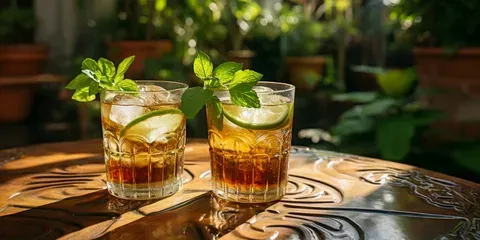
Dominican rum is not just an alcoholic beverage, but a true cultural icon of the Dominican Republic, a hallmark of the country alongside the beaches of Punta Cana and cigars. It is a strong alcohol produced by fermenting and distilling products derived from sugar cane processing. The main difference between Dominican rum and Jamaican or Barbadian rum lies in its smooth, slightly sweet taste with a minimal amount of fusel oils. This is achieved through a special distillation technology and long aging in oak barrels. The drink has an alcohol content ranging from 37.5 to 40 percent and can be either clear or deep amber depending on the aging period and additives. Today, the Dominican Republic is among the world's top three leaders in rum production and export, second only to Puerto Rico and Mexico.
Why did rum become the main alcoholic beverage specifically in the Dominican Republic? The answer lies in economics and geography. The Dominican Republic is the leader in the entire Caribbean region in sugar production. Sugar cane is grown on huge plantations here, which occupy a significant part of the country's agricultural land. A by-product of sugar production is molasses, or black treacle, which was long considered waste. However, several centuries ago, local residents discovered that if you let molasses ferment and then distill the resulting mash, you get raw alcohol. After diluting with water and aging in barrels, this alcohol turns into the rum known worldwide today. The cheapness of raw materials makes the drink accessible to all segments of the population, and its high quality ensured its export success.
The History of Rum in the Dominican Republic
The first mentions of a drink resembling rum date back to the mid-17th century. In the Antilles, where African slaves brought the culture of growing sugar cane, it was noticed that sugar cane juice begins to ferment under the scorching sun. The resulting low-alcohol drink was called kill-devil. Only in 1667 was the modern name Rum established for it. In the Dominican Republic, industrial rum production began much later, only at the end of the 19th century, and it is associated with the names of three Spanish settlers. They laid the foundation for what is today called the Dominican rum industry.
It is believed that the pioneer in Dominican rum production was one of Christopher Columbus's followers, Don Diego Bermudez. In 1852, he founded a rum production enterprise, but ten years later the factory burned down, and the business had to be rebuilt from scratch. Over time, the Bermudez brand became a national treasure and is now state-owned. Almost simultaneously with Bermudez, Don Andres Brugal and Julian Barcelo started their businesses. Each of them developed their own method of distillation and refining, leading to the emergence of three unique flavor profiles. Today, these three surnames form the famous "3B" trio — Brugal, Barcelo, and Bermudez, which control over 90 percent of the entire rum market in the country.
Production Technology: From Cane to Bottle
The process of creating Dominican rum is strictly regulated and includes several mandatory stages. It all starts with sugar cane, which is cut by hand using special knives or by mechanized means. The stalks are delivered to a processing plant where the juice is extracted. The juice is boiled down to obtain sugar crystals, and the remaining thick liquid — molasses — is sent to rum production facilities. The molasses is mixed with water and yeast, initiating a fermentation process that lasts from 24 to 48 hours. The resulting mash, with a strength of about 5-9 percent, is sent for distillation.
Distillation of Dominican rum is most often carried out in continuous column stills, which allows for a lighter and purer spirit compared to Jamaican pot stills. After distillation, a colorless rum spirit with a strength of up to 85 percent is obtained. It is diluted with demineralized water to the standard 37.5-40 degrees and sent for aging. Rum is aged exclusively in oak barrels, often using barrels that previously held bourbon or sherry, which impart additional vanilla and woody notes to the drink. The aging period varies from a few months to twenty years or more. At the final stage, natural flavorings such as cinnamon, vanilla, or pineapple may be added to the rum, although this is not practiced in premium varieties.
Classification, Types and Brands of Dominican Rum
The Three Great B's: Brugal, Barcelo and Bermudez
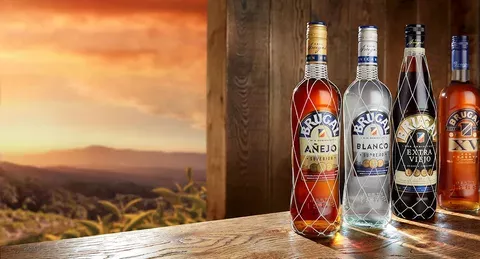
When talking about Dominican rum, it's impossible to ignore the three pillars on which the entire industry rests. Brugal is perhaps the most recognizable brand outside the Dominican Republic. The company was founded in 1888 by Don Andres Brugal in the city of Puerto Plata. A distinctive feature of the brand is double distillation and strict quality control. Brugal is among the world's top three rum exporters and offers a range from affordable varieties to exclusive ones like Brugal 1888, aged for 15 years in two types of barrels. Barcelo, founded by Julian Barcelo, focuses on aging. The company markets exclusively rum that has undergone a minimum of one year of barrel aging, making even their basic varieties more noble. Barcelo Imperial with a ten-year aging is considered one of the best choices for a gift.
Bermudez is the oldest of the three brands, dating back to 1852. Unlike the first two, which remain family businesses, Bermudez is now state-owned, but this has not affected the quality. Their products feature a richer, more traditional taste, close to what rum was like a hundred years ago. Locals often prefer Bermudez, considering it the "people's" brand. The assortment of all three producers includes a full line: from white rum to premium series, and the choice between them often comes down to personal taste preferences. Tourists are advised to try all three brands at a bar to understand which one suits them best.
Classification of Dominican Rum: What the Labels Mean
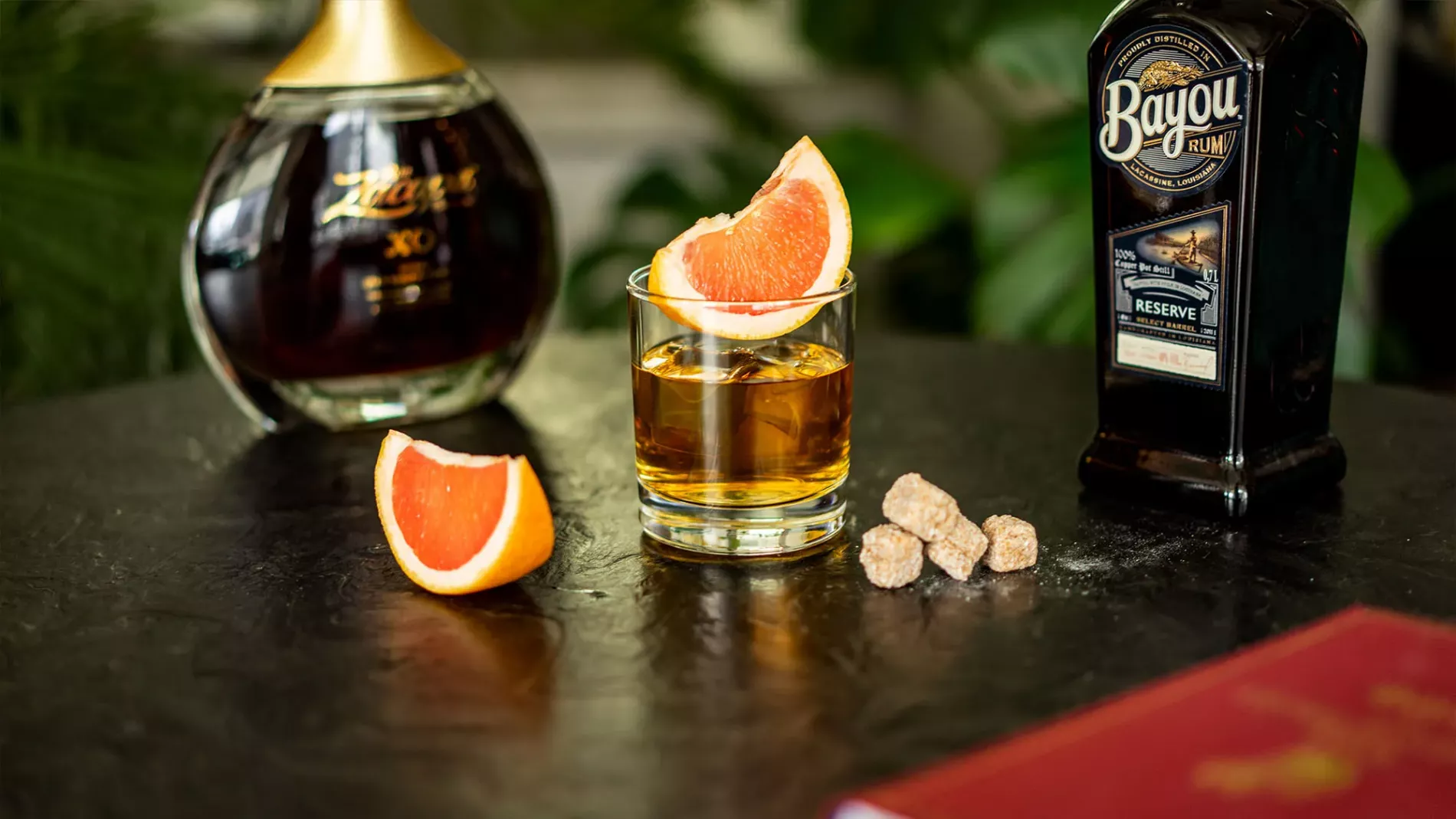
Understanding rum classification is essential for making the right choice when purchasing. The simplest and cheapest type is Blanco, or white rum. This is a product that, after distillation, was diluted with water and bottled without aging or with minimal aging of up to a few months. Its taste is simple, with pronounced alcohol notes. Blanco is ideal for cocktails, but drinking it neat is only recommended with ice and lime. The cost of such a 0.7-liter bottle starts from 7 dollars. The next type is Dorado, or gold rum. Online sources often claim this is aged rum, but in practice, this is not always the case. More often, Dorado is the same Blanco, tinted with caramel coloring and slightly infused with spices for a couple of weeks. Its taste is slightly sweeter, but there are no fundamental differences, and the price is usually the same as for white.
Real aging begins with the Anejo category. Literally translated from Spanish as "old." This is rum that has spent two to five years in oak barrels. It develops a characteristic amber color, the taste becomes smoother, the sharpness of alcohol disappears, and vanilla and caramel notes appear. If the Anejo bottle has no additional numbers, it means the aging is minimal for this category. Producers are required to indicate the exact age if it exceeds five years, for example, 5 Anos, 7 Anos, 12 Anos. The next level is Extra Viejo, meaning "very old." This is rum aged for eight years or more. It has a complex bouquet, a thick oily texture, and is intended exclusively for drinking neat, like fine cognac or whiskey. Prices for Extra Viejo start from 10 dollars per bottle.
Premium Dominican Rum: What to Choose as a Gift
For those who want to bring a truly worthwhile gift from their trip, there are premium lines of Dominican rum. These are drinks with long aging and complex blending technologies. Brugal's flagship product is Brugal 1888, named after the year the company was founded. It is aged for 15 years, first in barrels that held American bourbon, and then in barrels that held Oloroso sherry. This double aging gives the rum an exquisite taste with notes of dried fruit, nuts, and dark chocolate. In duty-free shops, a bottle of Brugal 1888 costs around 45 dollars, while in regular Dominican stores, it can be found for 25-30 dollars on promotion. Even higher in class is Brugal Unico with 20 years of aging, but its price is significantly higher.
Barcelo's premium segment is represented by the Imperial line. Barcelo Imperial is a rum with ten years of aging, distinguished by its velvety taste with hints of vanilla and caramel. It comes in a characteristic black bottle with gold embossing. There is also the Barcelo Imperial Premium Onyx version, aged for 15 years and also undergoing double aging in different types of barrels. Bermudez's premium class is represented by the Bermudez Reserva Superior series and limited releases. It is important to know that real premium rum is not used for cocktails—it is a tasting product. When choosing a gift, pay attention to the packaging: many premium versions come in gift tubes or wooden boxes, eliminating the need to look for additional wrapping.
Cocktails, Prices and Practical Tips for Tourists
Famous Dominican Cocktails Based on Rum
In the Dominican Republic, rum is consumed not only neat but also in cocktails, which have become the country's calling card. The most famous cocktail in the world, by the way, invented in this very region, is the Piña Colada. To prepare it, mix white rum, coconut milk, and pineapple juice in a 1:2:3 ratio. Serve it with ice and a pineapple slice. Coconut milk is sold in any supermarket in the Dominican Republic, as it is widely used in national cuisine. The second most popular is the Cuba Libre, which is as simple as can be: rum, Coca-Cola, and lime juice mixed right in the glass. Locals prefer this cocktail for its refreshing properties in the hot climate.
Mojito in the Dominican Republic is prepared according to the classic recipe: white rum, mint, lime, sugar syrup, and soda water. The only difficulty for making it yourself is finding fresh mint, which is sold only in large supermarkets. The author's personal favorite is the El Diablo cocktail. It requires dark aged rum, vermouth, grenadine syrup, and lime. The combination of sweet grenadine and slightly bitter vermouth with the smooth taste of anejo yields an amazing result. All ingredients except grenadine are easy to find in any store. And of course, one must not forget the unique Dominican tincture called Mamajuana. It is not exactly a cocktail, but rather a medicinal drink. It is made from bark and herbs infused in red wine, rum, and honey. Locals attribute miraculous properties to it and consider it a strong aphrodisiac.
Rum Prices in the Dominican Republic in 2026 and Where to Buy
The cost of rum in the Dominican Republic pleasantly surprises tourists with its affordability. Prices depend on the place of purchase and the availability of promotions. In small shops, called colmados here, the selection is usually limited to the basic varieties of the three main brands. There, a bottle of white or gold rum with a volume of 0.7 liters will cost approximately 7-8 dollars. Anejo in such shops costs around 8-9 dollars for the same volume. In large hypermarkets like Jumbo or Nacional, the assortment is wider, and prices are often lower due to promotions. For example, Barcelo Anejo 0.7 liters can be bought for 7 dollars on sale. Premium Brugal 1888 in a hypermarket costs around 25 dollars, whereas in tourist souvenir shops, its price can reach 40-45 dollars.
Special attention should be paid to duty-free shops at the airports in Punta Cana and Santo Domingo. They offer the widest selection of premium and limited series, including gift sets. However, prices in duty-free are higher than in city hypermarkets. For instance, the same Brugal 1888 costs 45 dollars in a duty-free shop. Buying there makes sense if you want to save space in your luggage or purchase an exclusive edition not available in regular stores. It is important to remember that the standard bottle sizes in the Dominican Republic are 0.35 and 0.7 liters. Liter bottles are only found in duty-free. Moreover, the drink itself is measured in liters, although other liquids may be sold in ounces and gallons.
Tips for Travelers: How to Choose, Buy, and Transport Rum
When planning to buy rum in the Dominican Republic, you should follow a few simple rules. The first and most important is to never buy rum from street vendors or on the beach. Yes, officially there are few counterfeits here, but the risk of encountering a homemade product still exists. It is better to purchase alcohol from official points of sale: supermarkets, specialized stores, or duty-free. If you want to buy rum for cocktails, take the cheapest Blanco or Dorado — the difference is not noticeable in a cocktail, and the savings are significant. For a gift, choose Anejo from well-known brands or premium positions. When choosing, read the label carefully: the presence of the inscription Anejo without numbers means minimal aging, while 5 Anos or 10 Anos guarantees a specific period in barrels.
It is important to consider the rules for transporting alcohol. When departing from the Dominican Republic, there are no formal restrictions on exporting rum, but in practice, customs officers may pay attention to volumes exceeding 5 liters per person. However, when entering Russia, there is a strict limit: no more than 3 liters of alcohol per adult passenger. Anything above that is subject to customs clearance. It is strictly forbidden to put rum in carry-on luggage — bottles must be packed in checked baggage. The only exception is alcohol purchased at duty-free after passing passport control. If you bought rum in a regular store and put it in your suitcase, make sure the bottle is securely packed, preferably in a special sealed bag or wrapped in bubble wrap, to avoid surprises when receiving your luggage.