
Winter in Montenegro
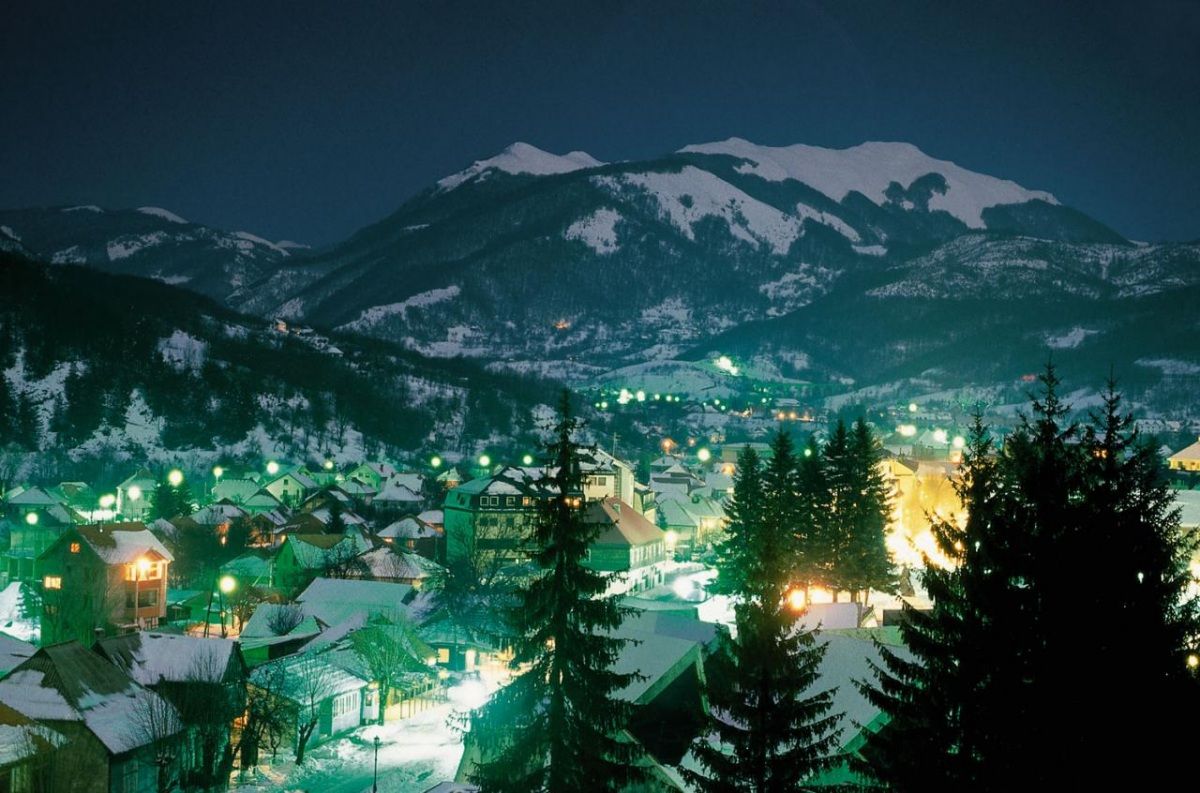
What is Montenegrin winter and why it is not only about beaches
You probably have not thought about a winter holiday in Montenegro, but associating a country where 80 percent of the area is mountains only with the beach season is strange. There is plenty to do here at any time of the year, the main thing is to choose a warm hotel wisely, since there is no central heating in the country, to be informed and to know what clothes to take with you. In winter, Montenegro opens up from a completely different side: it is a time for road trips without traffic jams, tasting local wines and exploring ancient cities, when the tourist rush subsides and prices for renting accommodation and cars become significantly lower. Locals call this period time for themselves, when you can slowly enjoy the views of the Bay of Kotor or breathe in the smell of the sea in a coastal cafe with a cup of mulled wine, which is called kuvano vino here.
Winter holidays here are incredibly diverse. You can stroll through the empty streets of Budva, Kotor or Herceg Novi, head to the ski resorts of Kolasin or Zabljak, try fresh oysters right on the coast or explore Orthodox monasteries and Austrian fortresses scattered throughout the country. Montenegro in winter is about contrasts, silence and a real, non-tourist atmosphere, which in summer is simply invisible behind the noise of the crowds. Many tourists write in reviews that it was the winter trip that allowed them to truly fall in love with this Balkan country.
To understand the specifics, you need to know that Montenegro, despite its modest size, is divided into four climatic zones. While on the coast people sunbathe their faces under the gentle sun at temperatures of plus ten to fifteen, just an hour away, on Mount Lovcen, children frolic on sledges, and three hours away, they ski in Kolasin. This diversity allows you to combine relaxation: breathe in the sea air in Tivat in the morning, and have dinner in the mountains in the evening, looking at the snowy peaks. Geographically, the country is located on the Balkan Peninsula, washed by the Adriatic Sea and borders Croatia, Bosnia and Herzegovina, Serbia, Kosovo and Albania. The easiest way to get here is through the airports of Podgorica, Tivat or Dubrovnik Airport in neighboring Croatia, from which it takes about an hour and a half to Budva. The local currency is the euro, which makes the trip especially convenient for European tourists.
Historically, winter has always been a time for domestic tourism here. Montenegrins themselves love to travel around the country at this time of year, visiting numerous Orthodox shrines. An important date for the calendar is January 13, when the Orthodox New Year is celebrated, as well as Christmas Eve and Epiphany with their unique traditions, such as the burning of badnjak. In 2026, the expansion of tourist programs is expected, including more gastronomic tours with tasting of prsut, cheese and local wine in the historic region of Njegusi. Special Christmas fairs are also planned in major cities.
The most unpleasant phenomenon that tourists face is the northern wind Bora. On such days, it is impossible to walk, the wind dries out the skin, and everything that is not nailed down flies down the street. Therefore, when choosing travel dates, be sure to check the forecast, paying attention to the wind direction. If it blows from the north, it will be very cold and uncomfortable even at above-zero temperatures; if from the south, it will be warm and sunny, you can sunbathe. It should also be borne in mind that in Montenegro it can rain for several days in a row, sometimes for weeks, so flexibility in planning excursions will be a big plus.
Срочная продажа
- 547m2
 Zabljak, Montenegro
- 326m2
Zabljak, Montenegro
- 525m2
Zabljak, Montenegro
- 300m2
Zabljak, Montenegro
- 588m2
Zabljak, Montenegro

- 38m2
- 2/3
- 2
- 1
Zabljak, Montenegro

- 120m2
- 2
- 3
- 2
Zabljak, Montenegro

- 130m2
- 2
- 2
- 1
Zabljak, Montenegro
Weather by month, clothing and outdoor activities at resorts
Winter in Montenegro officially lasts three months, but the weather in each of them is very different, and understanding these nuances is critical for a comfortable holiday. December is a changeable and unpredictable month, when sunny days can suddenly give way to weekly downpours. Daytime temperatures stay around plus ten to twelve degrees. In the first half of the month, you can still catch the golden autumn in the mountains, and closer to the New Year, the weather finally deteriorates, although the holidays themselves are fun: concerts and fairs are organized in Budva, Kotor and Tivat. Locals are actively stocking up on firewood, knowing that winter is just beginning.
January is considered the gloomiest and coldest month on the coast. The thermometer during the day rarely rises above plus ten, and a strong piercing wind often blows. In Cetinje, the old capital, it can rain for weeks, and the road through Mount Lovcen is closed due to fog and ice. However, on clear days, which still happen, incredible views of the snowy peaks and turquoise sea open up. In the middle of the month, Orthodox Christmas is celebrated with its special flavor: on the evening of January 6, huge bonfires are lit all over the country — this is the tradition of Badnji Dan. Epiphany is also celebrated on a grand scale; water is blessed in many places.
February is a month of contrasts and a real awakening of nature. The famous Mimosa Festival begins in Herceg Novi, which lasts for several weeks and attracts tourists from all over Europe. Camellias, snowdrops, crocuses and daffodils bloom, turning coastal parks into flowering oases. In the mountains at this time there is a stable snow cover, ideal for skiing. The resorts of Kolasin and Zabljak are operating at full capacity, offering slopes of varying difficulty levels. The temperature on the coast rises to plus twelve to fifteen, and on sunny days the air warms up to plus eighteen, allowing you to have lunch on open terraces.
As for the wardrobe, the approach must be systematic and thoughtful. Be sure to take sunglasses and high factor sunscreen — they are needed here all year round due to the sun's activity and reflection from the sea and snow. Lip balm will also come in handy, the wind dries the skin instantly. The main clothing is demi-season: a light down jacket, coat or warm fleece windbreaker. If you plan to go to the mountains, you will need full-fledged winter clothes and warm waterproof shoes. A swimsuit and rubber slippers will come in handy: many hotels offer spa centers with heated pools, saunas and jacuzzis overlooking the sea, and seasoned tourists swim in the sea even at plus sixteen.
Jeans are better to take with fleece, sweaters and fleece jackets will form the basis of your wardrobe. Girls will need warm dresses with tights for evening walks in old towns. A couple of spare shoes in case of rain are a must — sneakers and autumn boots with a membrane are best. It is important to remember slippers and warm socks, as in apartments the floor is often tiled, which without heating can be icy. If you plan to rent a car, which is strongly recommended, make sure that it has winter tires and that there are chains in the trunk for driving in the mountains — this is a legal requirement from November to April.
Where to live, how much it costs and what to see in winter
Choosing a place for a winter holiday is critical, and saving here can result in a ruined vacation. It is not recommended to choose Kotor, Prcanj, Perast or Stoliv for living. Due to the mountains surrounding the Bay of Kotor on both sides, they have a specific microclimate: little sun, high humidity, dampness and temperatures several degrees lower than in cities open to the sea. These places are beautiful for a summer excursion, but not for wintering. You should also avoid villages in the Bar area, such as Susanj or Sutomore, and remote settlements on the Lustica peninsula — there is simply nothing to do there in winter, and the infrastructure practically freezes.
The warmest and sunniest on the coast are Budva and Bar. In Budva, even in winter, restaurants in the old town are open, large supermarkets are open, the bus station is operating, shopping centers with cinemas are open, and there is a large selection of housing — from modern high-rise buildings to old villas. Bar attracts with its authenticity and famous olive groves. In the Bay of Kotor, the best choice for winter living is Tivat and Herceg Novi. Tivat offers the modern Porto Montenegro marina with boutiques and restaurants, and Herceg Novi is famous for its parks and promenade, which is pleasant to walk along even in winter. The best accommodation option is new apartments in modern high-rise buildings with high-quality glazing and autonomous heating, or good hotels.
If your budget allows, the best choice is four or five star hotels with their own spa centers. They have autonomous heating that can be adjusted and offer guests swimming pools, saunas and hammams, which is critical on rainy and cold days. Recommended hotels include Splendid in Becici, Regent Porto Montenegro in Tivat, Bianca Resort in Kolasin, Lazure Hotel near Herceg Novi, Stara Carsia with a Turkish hammam in Bar, Hotel Soa and Casa di Pino Eco Lodge in Zabljak. In the private sector, be sure to ask about the type of heating: an air conditioner often cannot cope, it is better to look for options with radiators, underfloor heating or a fireplace. Ideally, the floors are covered with parquet, not tiles.
Prices for renting accommodation and cars in winter fall by two to three times compared to the summer peak season. Renting a car becomes quite affordable, for example, a compact hatchback can be found for twenty to twenty-five euros per day, which opens up excellent opportunities for independent travel. For drivers, a mandatory condition from November to April is winter tires, and when traveling to the mountains, you need to have snow chains in the trunk. Local rental companies usually provide cars already prepared, but it is better to clarify this point additionally when booking. For those considering Montenegro for investment, the winter period allows you to assess the real state of the infrastructure: the quality of heating, protection from wind, the level of sound insulation and the general atmosphere in the area.
As for excursions and attractions, winter offers unique opportunities to explore the country. Be sure to visit the old capital Cetinje with its famous monastery, which houses the relics of St. Peter of Cetinje and a particle of the Life-Giving Cross. Climb Mount Lovcen — even if the Njegos Mausoleum is closed due to snow, the panoramic points on the Bay of Kotor below the slope are accessible and offer unforgettable views. A popular route goes through Cetinje to the Crnojevica River, where an old stone bridge is preserved, and further to the Plantaže winery and the famous Šipčanik wine cellar, carved into the rock. There you can taste local wines and buy a few bottles.
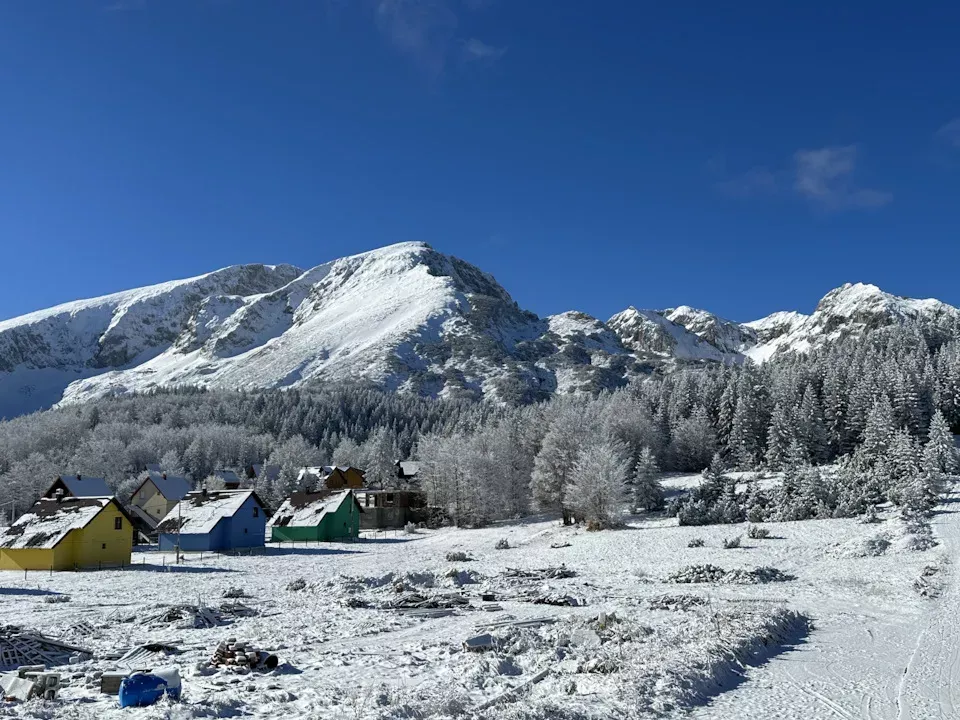
On the coast, be sure to visit Old Bar with its ruins of a medieval city and a thousand-year-old olive tree, visit the fortresses on the Lustica peninsula, including a submarine tunnel near Cape Arza. In good weather, boats from Perast go to the island of Our Lady of the Rocks — in winter there are no queues, and you can calmly explore the church and museum. Do not miss the oyster farms near Herceg Novi, for example, the Verige 65 restaurant, where the freshest oysters are served straight from the sea. In winter they are especially tasty and the prices are lower. In the mountains, be sure to set aside a few days for Kolasin and Zabljak: even if you do not ski, walks through the snow-covered national parks Biogradska Gora and Durmitor will leave an unforgettable impression. Winter Montenegro is a country where you can enjoy nature, history and gastronomy without the summer bustle, getting true pleasure from every day.