
Why investors choose real estate in Dubai and the UAE: key arguments
Why real estate in the UAE is a profitable investment solution?
Top Reasons to Invest in UAE Property
No....

- What Investing in Dubai Square Meters Means
- Historical Context and Transport Accessibility of the Metropolis
- Architectural Landmarks and Tourist Infrastructure
- Economic Growth Drivers of the Market in 2026
- Institutional Advantages and Visa Opportunities
- Tax Policy as the Foundation of Investment Attractiveness
- Legislative Framework and Protection of Property Rights
- Visa Programs for Real Estate Investment
- Safety and Stability of the Emirate
- Practical Aspects of Selecting and Acquiring Properties
- Geography of Locations: From Premium to Affordable Districts
- Price Parameters and Property Dimensions
- Wide Selection of Properties for Various Strategies
- Technological Innovations and Remote Transactions
- Popular Investment Tours and Excursions
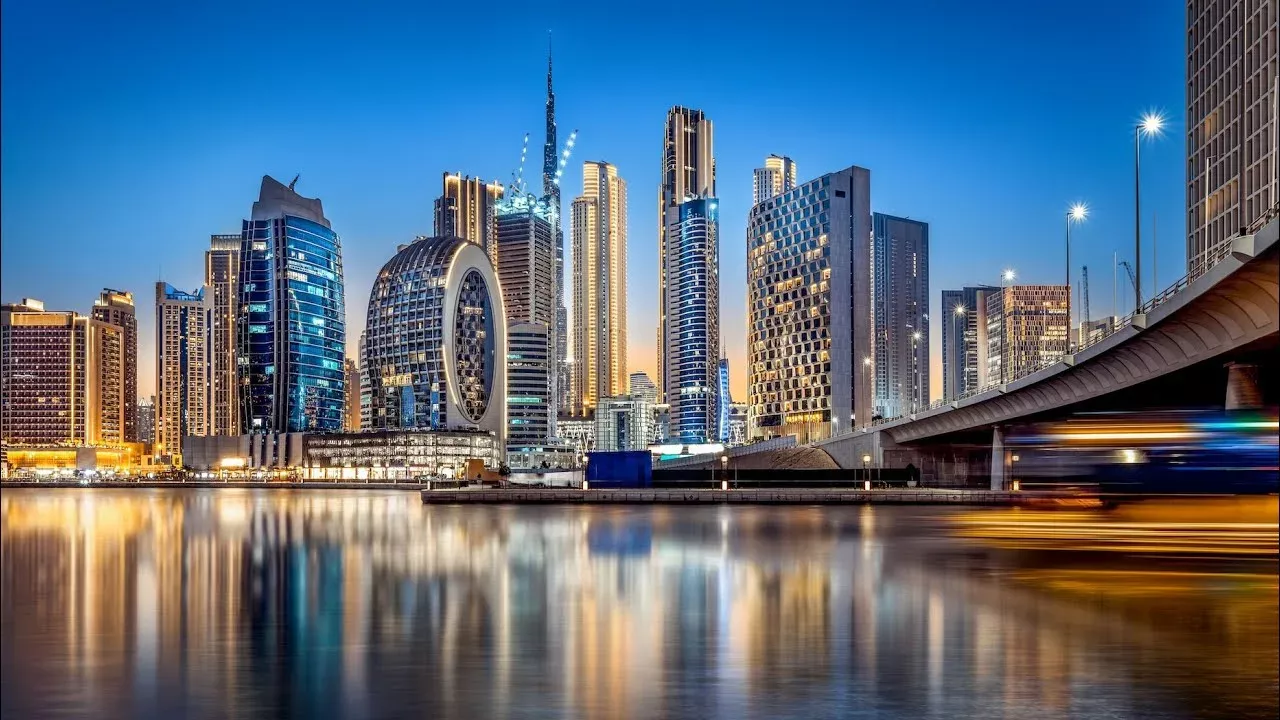
What Investing in Dubai Square Meters Means
Investing in Dubai real estate means purchasing residential apartments, villas, or commercial spaces in the emirate to generate profit through rental income or resale. The emirate is located on the coast of the Persian Gulf and serves as the largest economic center of the United Arab Emirates. Active market development for foreigners began after 2006, when the government passed the law on freehold territories — zones where non-residents can obtain full ownership. Regulation is handled by Dubai Land Department and RERA, ensuring transparency of all transactions with mandatory registration in the official registry.
Historical Context and Transport Accessibility of the Metropolis
Modern Dubai began to form in 1971 after the formation of the UAE, although the first settlements in this area existed since 1833 under the rule of the Al Maktoum dynasty. You can reach the city via Dubai International Airport DXB, which annually serves tens of millions of passengers and is the main hub of the Middle East. An alternative option is Al Maktoum Airport DWC, located in the developing district of Dubai South. The local currency is the UAE dirham AED, whose exchange rate is tightly pegged to the US dollar, eliminating currency risks when settling payments for acquired properties.
Architectural Landmarks and Tourist Infrastructure
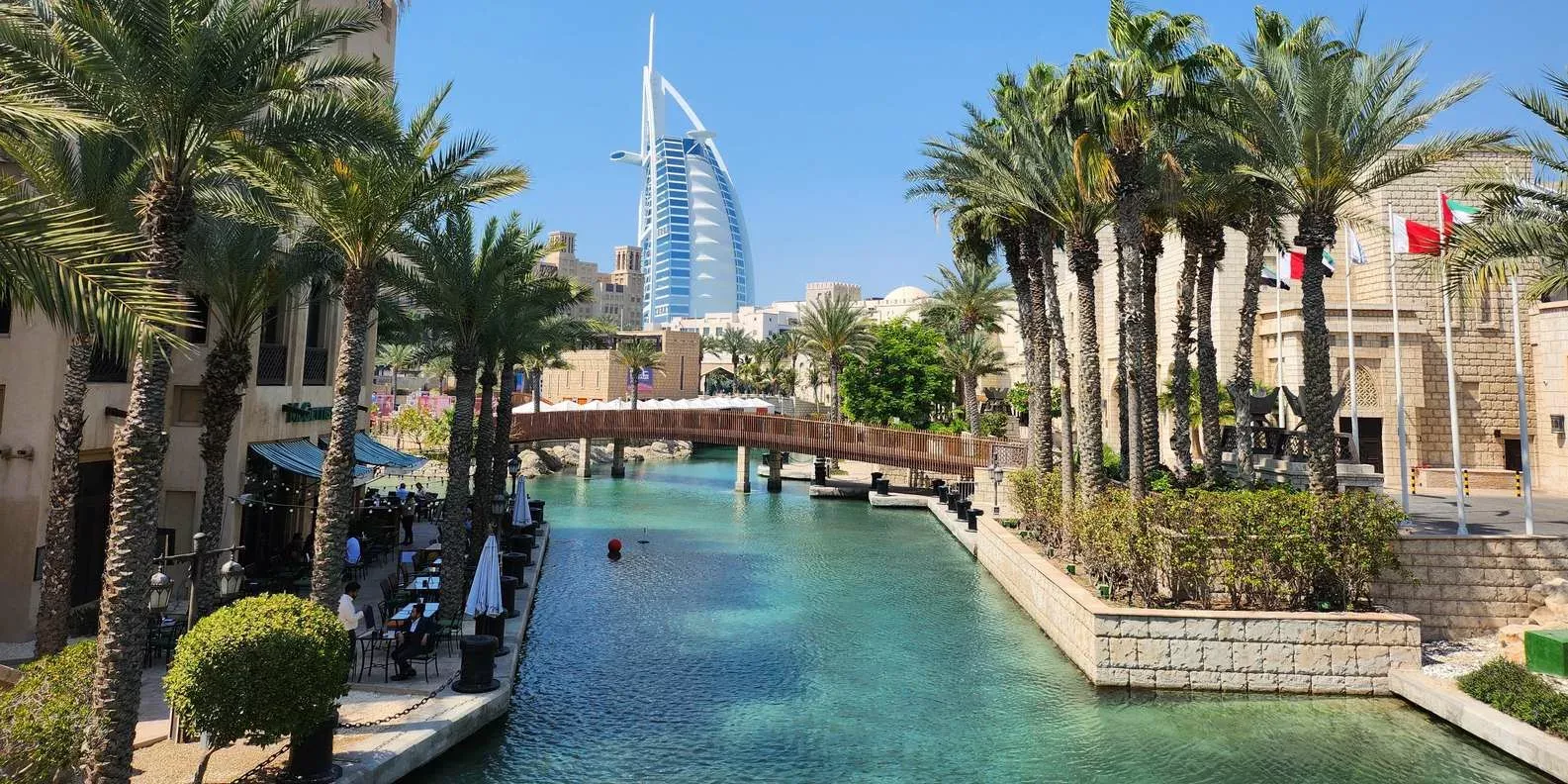
For investors planning to personally assess potential locations, the city offers a rich excursion program. Must-visit sites include the Burj Khalifa — the tallest building in the world, the Dubai Marina district with skyscrapers along the artificial canal, and Palm Jumeirah with elite villas and hotels. The Museum of the Future impresses with its futuristic design, while the historic Deira district introduces traditional gold and spice markets. Popular tours include desert safaris, yacht cruises, and helicopter sightseeing excursions, allowing you to see the scale of development from above.
Economic Growth Drivers of the Market in 2026
According to the Dubai Land Department, over the past 12 months, property values in key locations have increased by 20-35 percent, and average rental yields remain in the range of 7-12 percent per annum. Investing in Dubai real estate is supported by the emirate's growing economy, which has successfully recovered from the pandemic downturn due to the return of tourist flows and business activity. In 2026, the market demonstrates steady growth, especially in the off-plan segment, where investors can lock in prices at an early stage and realize profits upon completion.
Срочная продажа

- 1
- 1
 Dubai Marina, UAE

- 367m2
- 2
- 3
- 4
Dubai, UAE

- 2
- 1
Dubai, UAE

- 50m2
- 1
- 1
Dubai, UAE
- 89m2
- 1
- 2
Jumeirah, UAE
- 827m2
- 5
- 6
Deira, Dubai, UAE
- 110m2
- 2
- 2
City Walk, Dubai, UAE

- 179m2
- 2
- 3
Palm Jumeirah, UAE
Institutional Advantages and Visa Opportunities
Tax Policy as the Foundation of Investment Attractiveness
The main advantage is the complete absence of personal income tax, meaning all rental profits remain at the owner's disposal. Corporate tax of 9 percent is levied only on companies whose annual income exceeds 375,000 AED, which is significantly lower than rates in Europe or the USA. Investing in Dubai real estate allows you to legally minimize the tax burden and maximize return on investment. For comparison, in most developed countries, an investor is forced to give the state 30 to 50 percent of rental income.
Legislative Framework and Protection of Property Rights
The Property Law of 2006 dramatically changed the rules for foreigners, allowing them to acquire properties in full ownership in specially designated freehold zones. Previously, non-residents could only rent housing for long terms without the right to purchase. Today, all financial transactions go through protected escrow accounts, guaranteeing the safety of funds until construction is completed. Registration of the transaction with the Dubai Land Department culminates in the issuance of a Title Deed — an official certificate confirming property ownership and recognized worldwide.
Visa Programs for Real Estate Investment
Purchasing a property worth from 750,000 AED grants the right to obtain a two-year resident visa with the possibility of renewal. Investing in Dubai real estate in the amount of 2 million AED or more opens the path to a five-year residency permit. For large investors, a golden visa for a period of 10 years is available upon fulfilling alternative conditions: placing a deposit in an investment fund, purchasing government bonds, or registering a company with an authorized capital of 2 million AED. An important advantage is the ability to obtain residency for a spouse and minor children, making property purchase a family investment in the future.
Safety and Stability of the Emirate
Dubai consistently ranks among the safest megacities on the planet due to its low crime rate and the effective work of law enforcement agencies. The legal system offers reliable mechanisms for protecting the interests of foreign investors, including the possibility of appealing to specialized real estate courts. Transaction transparency is ensured by mandatory registration of all ownership transfers and public availability of property data. For investors focused on capital preservation, such conditions serve as a compelling argument in favor of choosing this particular destination.
Practical Aspects of Selecting and Acquiring Properties
Geography of Locations: From Premium to Affordable Districts
In expensive districts such as Downtown Dubai with views of the Burj Khalifa, Dubai Marina, and Palm Jumeirah, the cost per square meter starts from 2,500-3,000 AED. These areas concentrate elite real estate with maximum liquidity and high status. Mid-price segment districts — Jumeirah Village Circle, Business Bay, Jumeirah Lakes Towers — offer square meters for 1,500-2,500 AED with developed infrastructure and stable rental demand. Affordable locations like Dubai South, Dubailand, and Al Furjan with prices of 900-1,400 AED per square meter are attractive for investors with limited budgets focused on long-term capital growth.
Price Parameters and Property Dimensions
The minimum entry cost to the market is about 410,000 AED, which corresponds to compact studios of 30-45 square meters. One-bedroom apartments have an area of 60-100 square meters and a price tag from 700,000 AED. Villas and townhouses start from 200 square meters and 2-3 million AED. When analyzing offers, it is important to consider that the local market often operates in square feet: one square meter is equivalent to approximately 10.76 square feet. Investing in Dubai real estate involves comparing unit costs to make an informed decision.
Wide Selection of Properties for Various Strategies
Foreign buyers have access to apartments in high-rise complexes, villas with private plots, commercial spaces for offices and retail, and apartment hotels with guaranteed management. For short-term rentals, locations in tourist zones are optimal; for long-term rentals, districts with developed infrastructure and transport accessibility are preferable. Off-plan projects from leading developers — Emaar Properties, DAMAC, Sobha Group — allow purchasing properties at the construction stage with installment payments and the potential for value growth of 20-30 percent by completion.
Technological Innovations and Remote Transactions
The UAE became one of the first states to legalize cryptocurrency payments when purchasing real estate. The first such transaction took place in Dubai in 2018, and today many developers accept Bitcoin and other digital assets. Advantages include transfer speed and low commissions for international transactions. Fully remote transaction execution through a trusted agent allows investors from anywhere in the world to acquire properties without a personal visit, which is especially relevant for busy professionals.
Popular Investment Tours and Excursions
To familiarize with the market, specialized investment tours are organized, including meetings with developers, visits to showrooms, and inspections of construction sites. The program is usually combined with excursions to key districts, allowing assessment of transport accessibility, social infrastructure, and location potential. In 2026, tours to Dubai South are in high demand due to the expansion of Al Maktoum Airport and the development of the logistics cluster, which creates additional jobs and demand for rental housing.