
The most expensive restaurants in the world
the restaurant business is...
The Concept of Ultra-Premium Restaurant Experience
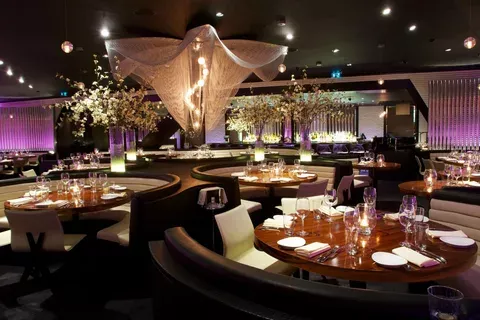
The most expensive restaurants in the world represent not just places to satisfy hunger, but true temples of gastronomic art where dinner prices can reach several thousand dollars. When we talk about top-tier restaurants, it's important to understand that payment is charged not so much for food, but for a unique multisensory experience. The restaurant business in this sector shows impressive figures: visitors spend about two trillion dollars annually on dining out, and a significant portion of this amount goes to fine dining establishments. As a rule, when we talk about something most expensive, it automatically falls into the category of the best, and gastronomic restaurants serve as vivid confirmation of this rule.
The concept of an ultra-premium restaurant has been shaped by many factors: from using the rarest ingredients to implementing advanced technologies that turn dinner into a theatrical performance. In such establishments, the cost of a steak can be compared to the price of several barrels of oil, which is quite justified when it comes to meat from wagyu cows raised according to ancient Japanese technologies with daily massage and special beer diet. Chefs of the level of Paul Pairet, Massimo Bottura, or Paco Roncero become real rock stars, and their names turn into a guarantee of exceptional quality.
The most important criterion for belonging to the restaurant elite is Michelin stars, which only a few establishments worldwide receive. Three stars from the red guide mean that this restaurant is worth a separate journey, which completely changes the approach to pricing. The architecture and interiors of such places are often designed by leading world designers: from crystal installations of ten thousand pendants in Parisian Alain Ducasse au Plaza Athénée to a sushi bar made of rarest hinoki wood in New York's Masa. Every detail is thought out so that nothing distracts from the main thing — food as a work of art.
Geography of Luxury: From Underwater Restaurants to High-Tech Spaces
The most expensive restaurants in the world are scattered across the planet, and each offers a unique location that becomes an integral part of the gastronomic experience. In the Maldives, at a depth of five meters, lies the Ithaa restaurant, part of the Conrad Rangali Island structure. This is the world's first underwater restaurant with panoramic views of coral gardens, where guests can observe marine life while tasting a seven-course menu. You can only get here by seaplane from Male, which adds an extra touch of exclusivity to the journey. Dinner here costs about $390, and the interior with transparent acrylic walls creates a feeling of complete immersion in the ocean element.
In Kyoto, at the foot of the Arashiyama mountains, famous for their bamboo grove, is the Kitcho Arashiyama restaurant. This is a former tea house transformed into a temple of kaiseki cuisine — a traditional Japanese serving style where the sequence of dishes reflects the changing seasons and Zen Buddhist philosophy. The tatami room with views of classical Japanese gardens creates an atmosphere of tranquility, and dinner prices range from $380 to $570. Unlike many ultra-modern establishments, centuries-old traditions and impeccable aesthetics of every serving element are valued here.
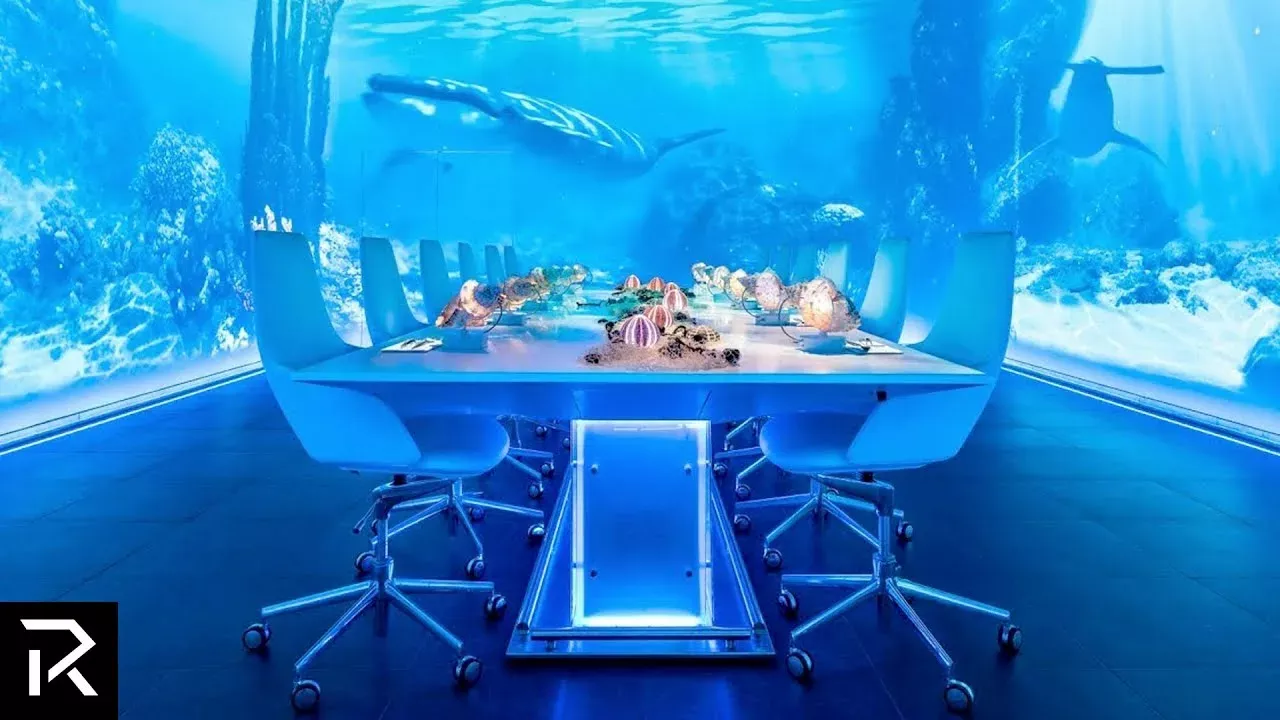
Shanghai's Ultraviolet opened in 2012 after fifteen years of planning by French chef Paul Pairet. This ten-guest establishment represents a radically different approach to restaurant space: empty walls and a table in the center transform into a portal to other worlds through projected light technology, surround sound, and generated scents. A rainy day in England, a French village, or a walk through the forest — each of the twenty courses is accompanied by a change of scenery, creating complete immersion in virtual reality. Geographically, the restaurant is in Shanghai, but the exact location is revealed to guests only on the day of booking, adding an element of mystery.
Срочная продажа
 New York, USA

- 7
- 3
Manhattan, New York, USA

- 18
- 1
Manhattan, New York, USA

- 11
- 2
Manhattan, New York, USA

- 27
- 1
Manhattan, New York, USA

- 44
- 1
New York, USA
- 57
- 2
Manhattan, New York, USA
- 38
- 1
Manhattan, New York, USA
Technical Details and Practical Aspects of Visiting
When planning a visit to the world's most expensive restaurants, many technical nuances must be considered, from booking deadlines to dress code. Masa in New York, located in the Time Warner Center in the Columbus Circle area, accepts booking requests exactly one month before the intended date, and cancellation less than 48 hours in advance incurs a $200 penalty. The restaurant has only 26 seats, and the best are at the hinoki cypress sushi bar, where you can watch master Masa Takayama at work. The omakase fixed menu costs $595 excluding drinks, taxes, and tips, making this establishment the most expensive in America.
At Parisian Guy Savoy, located in the Monnaie de Paris in the sixth arrondissement, a comprehensive thirteen-course lunch costs 478 euros. There is a strict dress code here: jackets for men are mandatory, and jeans and sneakers are not allowed. The restaurant is open for dinner from Monday to Friday, while lunch sessions are available only on Thursdays and Fridays from 12:45 to 14:15. After the meal, guests can stroll along the Seine embankment and visit the Louvre, which is within walking distance.
Spanish Sublimotion in Ibiza, based at the Hard Rock Hotel, holds the record for dinner cost — 1500 euros per person. Twelve guests become participants in a twenty-course gastronomic performance featuring illusionists, DJs, and actors. The program is constantly updated, and in 2026, it includes a journey from the 1940s to futuristic worlds with complete immersion in virtual reality. Booking is recommended months in advance, especially during the high season from May to October.
Italian Osteria Francescana in Modena, named the world's best restaurant in 2016 and 2018, offers a tasting menu for 290 euros plus 190 euros for wine pairing. Chef Massimo Bottura is known for his philosophical approaches to cooking, and his famous dish "Five Ages of Parmigiano Reggiano" has become a symbol of intellectual gastronomy. Geographically, the restaurant is in a quiet area of Modena, an hour's drive from Bologna, and in 2026, when Italy hosts the Winter Olympics in Milan and Cortina d'Ampezzo, getting here may involve additional transfers due to increased tourist flow.
Cultural Context and Future of Gastronomic Luxury
The world's most expensive restaurants in 2026 are undergoing a transformation period driven by new audience demands and technological capabilities. Chefs are increasingly turning to concepts of sustainable development and responsible consumption. Alain Ducasse, owner of Alain Ducasse au Plaza Athénée in Paris, uses exclusively wild-caught rather than farmed fish, claiming that only this approach preserves the true taste of the product. Even seasonal vegetables undergo strict selection in his establishment, while foie gras and wagyu beef are prepared with minimal seasoning to avoid overwhelming the ingredients' natural essence.
Cultural programming has become an integral part of the restaurant experience. In London's Sketch, besides French cuisine from Pierre Gagnaire, there is a rotating contemporary art exhibition and an in-house DJ. Interiors designed by famous artists transform the space into an art gallery. At Moscow's Varvary restaurant, chef Anatoly Komm combines molecular cuisine with Russian culinary traditions, serving borscht with duck liver and dumplings or herring under a fur coat wrapped in beetroot paper. Dinner is accompanied by live harp music, creating the atmosphere of a 19th-century salon evening.
The technological component continues to evolve. In 2026, hybrid formats combining virtual and physical reality are gaining popularity. Restaurants with full immersion are appearing, where each guest receives individual VR glasses synchronized with course service. New York's Masa, in contrast, remains a bastion of tradition — photography is prohibited here so nothing distracts from the eating process, and the interior is deliberately ascetic: no windows, bare tables, colorless walls so that the color and texture of dishes are revealed as fully as possible.
Practical Recommendations for Gourmands and Travelers
When planning a gastronomic journey to the world's most expensive restaurants in 2026, seasonality and logistics features must be considered. The best time to visit European restaurants is spring and early autumn, when seasonal products are available and tourist flow hasn't reached peak values. For Japanese establishments, cherry blossom season (March-April) and autumn maple season (November) are ideal, but tables must be booked at least six months in advance during these periods.
Tourist infrastructure around the most expensive restaurants is actively developing. In 2026, many establishments offer package deals including transfer, accommodation in partner hotels, and excursion programs. For example, visiting Japan's Kitcho Arashiyama is often combined with a walk through the bamboo grove and Tenryu-ji Temple, a UNESCO World Heritage site. The local currency is the Japanese yen, but restaurants at this level accept international credit cards, though cash is better for tips and small expenses.
The average check in ultra-premium restaurants includes not only food costs but also mandatory additional expenses. Wine can double the bill, and in some establishments, tips are automatically added to the check at 15-20 percent. It's important to clarify cancellation policies: many restaurants charge penalties of up to 50 percent of dinner cost for cancellations less than 72 hours in advance.
Dress code remains mandatory. For men, a classic suit or jacket with shirt is recommended, for women — evening dress or elegant suit. Sportswear, jeans, and T-shirts are not allowed almost everywhere. In Japanese restaurants like Kitcho Arashiyama, shoes must be removed when entering the tatami room, and socks must be impeccably clean.
In 2026, there's a trend toward personalization of the restaurant experience. More establishments offer individual menus tailored to dietary preferences, allergies, and even psychological characteristics of guests. Some restaurants offer private dinners in the wine cellar or kitchen, where the chef personally conducts a tour and comments on the cooking process. Such exclusive formats can cost two to three times more than standard menus but provide unforgettable impressions.
For those just beginning to explore high gastronomy, experts recommend starting with lunch sets, which are often half the price of dinners. At London's Gordon Ramsay, for example, the lunch menu costs about 65 pounds, allowing a taste of three-Michelin-starred cuisine without significant budget damage. Also worth considering are more democratic projects by the same chefs: Bar Masa next to the main restaurant offers sushi at more accessible prices, while at Parisian Arpege, you can order a tasting of vegetable dishes that Alain Passard has turned into true art.