
CHINESE PYRAMIDS
- Chinese Pyramids: What Are They Really?
- Where Are the Pyramids Located: Geolocation and Scale
- History of Discovery: From Travelers to Aviators
- Why Do the Chinese Prefer to Remain Silent About the Pyramids?
- Architecture, Mysteries, and Cultural Significance of the Ancient Necropolises
- Architecture of the Ancient Tombs
- The Great White Pyramid: Myth or Reality?
- Connection with the Sons of Heaven and the Terracotta Army
- Technical Specifications and Building Materials
- Journey to the Pyramids in 2026 — Practical Information for Tourists
- How to Get to the Pyramids and What to See
- Transport and Nearest Airport
- Excursions and Entrance Fees
- Where to Stay: Expensive and Inexpensive Districts of Xi'an
- What's Happening in the Region in 2026?
Chinese Pyramids: What Are They Really?
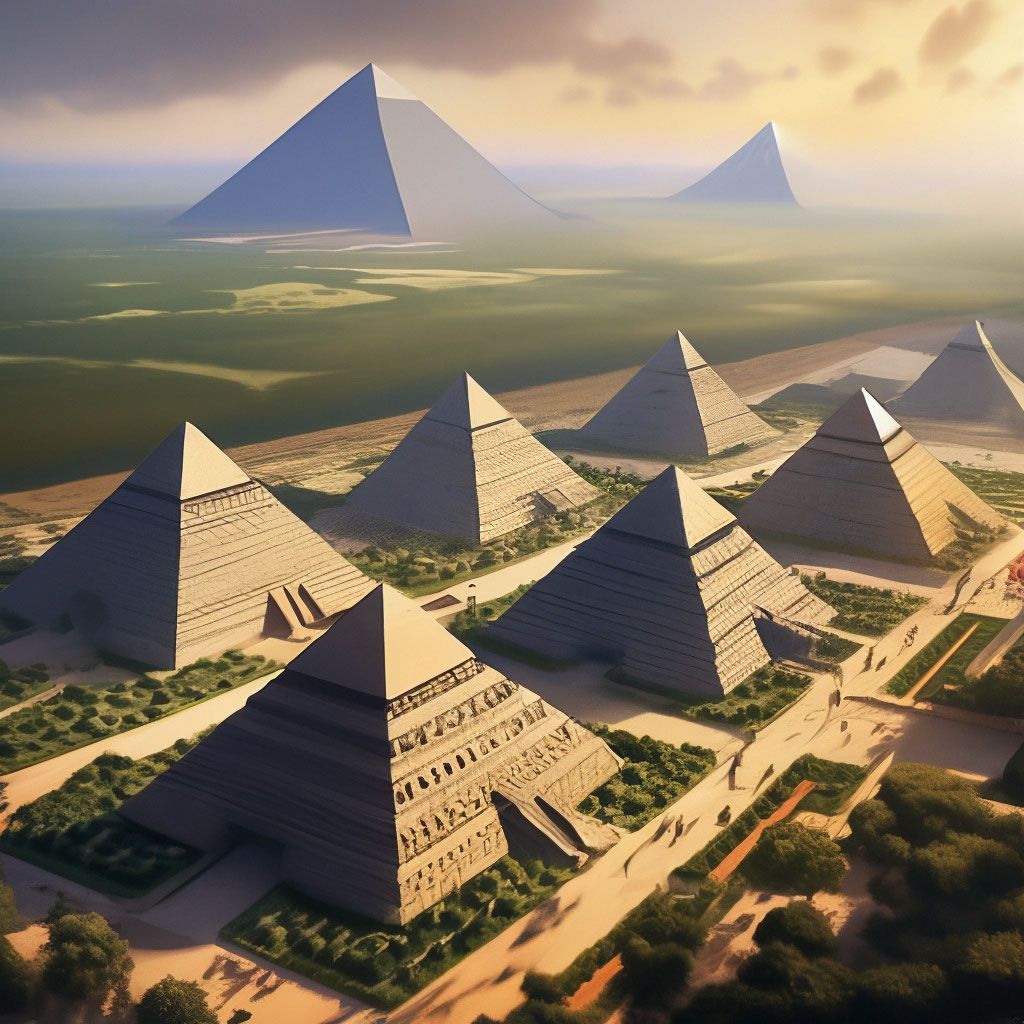
Chinese pyramids represent a unique type of archaeological site, known in official science as the mound tombs of ancient emperors and nobility. These are large-scale earthen structures, built from compacted loess, which for millennia have concealed the remains of the rulers of the Celestial Empire. Unlike the stone giants of Egypt, these objects long remained unnoticed by the Western world, as over time they became covered with vegetation and blended into the natural landscape. Local peasants for centuries farmed the land at the foot of these hills, unaware of their man-made origin. The situation only changed in the 20th century, when aviation and satellite imagery revealed the geometrically regular shapes of these enigmatic structures.
Where Are the Pyramids Located: Geolocation and Scale
The main area of concentration for these ancient necropolises is in Shaanxi Province, in the vicinity of the city of Xi'an, which in ancient times was called Chang'an and served as the capital for many imperial dynasties. Within a hundred-kilometer radius of this metropolis, there are over a hundred mound burials scattered across the Wei River Valley. The densest concentration is observed north of Xi'an, near the city of Xianyang, where archaeologists count several dozen objects. Isolated groups of pyramids are also found on the plains of Sichuan and in the central provinces of China. The area of some funerary complexes is truly impressive: for example, the tomb of Emperor Jing of the Han Dynasty occupies a territory of about twelve square kilometers, and the dimensions of its central pyramid are four hundred fifty by four hundred fifty meters.
History of Discovery: From Travelers to Aviators
The first mentions of Chinese pyramids in European sources date back to the 17th century, when the German scholar Athanasius Kircher recorded travelers' tales of unusual hills in Central China. However, serious interest in these objects only arose in the early 20th century. In 1912, an Australian trader, Fred Mayer Schroder, while traveling through Mongolia and China accompanied by a local guru, witnessed an astonishing sight. In a valley near the ancient capital, he saw seven giant pyramids, the tallest of which, by his estimate, reached three hundred meters. Schroder noted that the faces of these structures were painted in different colors: black on the north, greenish-blue on the east, red on the south, and white on the west. In 1945, American pilot James Gaussman, flying over the Qinling Mountains, photographed a huge white pyramid, topped, in his words, by a sparkling crystal. In the 1960s, New Zealander Bruce Cathie systematized eyewitness accounts and published the first sketches of sixteen pyramids in the vicinity of Xi'an.
Why Do the Chinese Prefer to Remain Silent About the Pyramids?
The question of the suppression of information about Chinese pyramids remains one of the main intrigues of modern archaeology. The official position of the authorities is that these objects are ordinary burials of the imperial Zhou, Qin, Han, Sui, and Tang dynasties, and their investigation will be carried out gradually, by Chinese scientists. However, many researchers, such as Hartwig Hausdorf, who visited these sites in the 1990s, point to inexplicable prohibitions and closed zones. During the Cultural Revolution, an ancient Buddhist library in Shaanxi Province was destroyed, where, according to rumors, manuscripts describing the construction of the pyramids were kept. Alternative researchers believe that the Chinese government fears discoveries that could confirm theories of paleocontact or the existence of a global energy grid, which would inevitably overturn traditional ideas about human history.
Architecture, Mysteries, and Cultural Significance of the Ancient Necropolises
Architecture of the Ancient Tombs
The construction technology of Chinese pyramids differs significantly from the Egyptian one. The main material was loess—a fine-grained sedimentary rock that, when tamped down, acquired the strength of stone. Builders layered the earth, creating a stepped structure, which was then faced with stone or covered with clay. Over time, the outer facing eroded, and the pyramids took on the appearance of natural hills overgrown with trees and shrubs. The orientation of all structures strictly according to the cardinal directions testifies to the deep astronomical knowledge of the ancient architects. The internal structure of most tombs is still unknown, as excavations have not been carried out. The only exceptions are some burials from the Han Dynasty, where archaeologists have discovered complex systems of underground passages and burial chambers filled with treasures and ceramic figurines of servants, warriors, and domestic animals.
The Great White Pyramid: Myth or Reality?
The White Pyramid remains the most mysterious object in the entire valley. According to Schroder's description, its height was about one thousand feet, almost twice the size of the Great Pyramid of Giza. The side length of the base reached one thousand five hundred feet. A unique feature of this structure was the multi-colored coloring of its faces, symbolizing the cardinal directions. The top of the pyramid was flat and covered with yellow earth, which may indicate the presence of a platform for rituals or observations. Schroder also mentioned steps made of roughly hewn stone that led to the top but were littered with debris. Modern researchers, including Vance Tiede, link the location of the White Pyramid to the theory of a global energy grid, known as the Russian Grid or the Earth's dodecahedron. According to this hypothesis, the pyramid lies at the intersection of the planet's energy lines and could have been used for communication or energy processes. Access to this area, where a cosmodrome is located, is categorically closed to foreigners.
Connection with the Sons of Heaven and the Terracotta Army
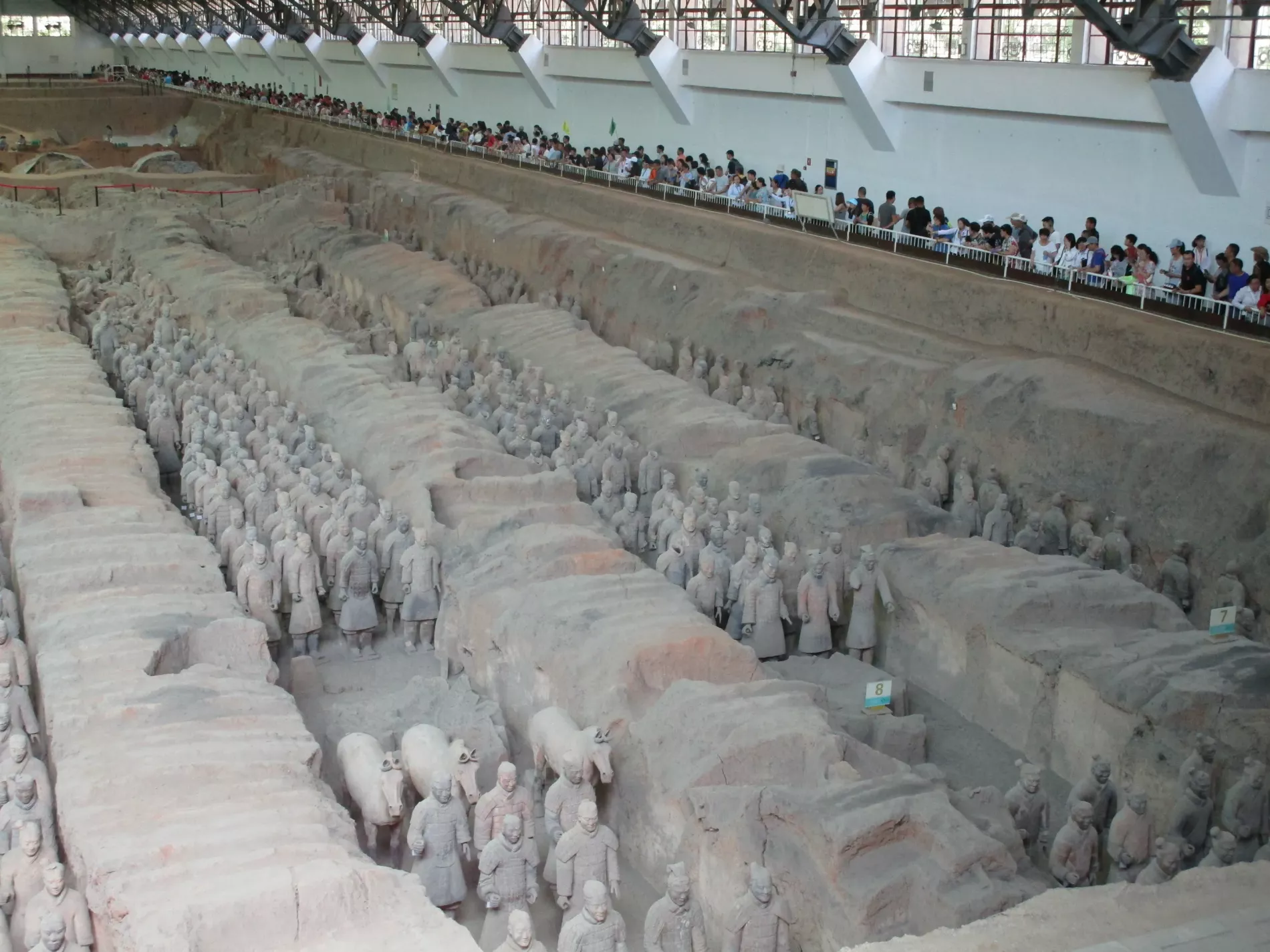
Ancient Chinese legends say that the pyramids were built not by ordinary mortals, but by the Sons of Heaven—divine emperors who descended from the heavens on fiery dragons. This mythology is reflected in the earliest written sources, where the rulers of the Celestial Empire were called descendants of celestials. Of particular interest is Emperor Huangdi, to whom many miracles and inventions are attributed. Two kilometers from one of the largest pyramids, the famous Terracotta Army of Emperor Qin Shi Huang was discovered. Thousands of life-sized clay warriors, armed with real weapons, were meant to guard the ruler's peace in the afterlife. The emperor's mound itself has not yet been excavated, and geophysical surveys show the presence of huge voids and anomalies inside. Scientists suggest that the burial chamber may contain not only treasures but also ancient texts that shed light on the true purpose of the pyramids.
Technical Specifications and Building Materials
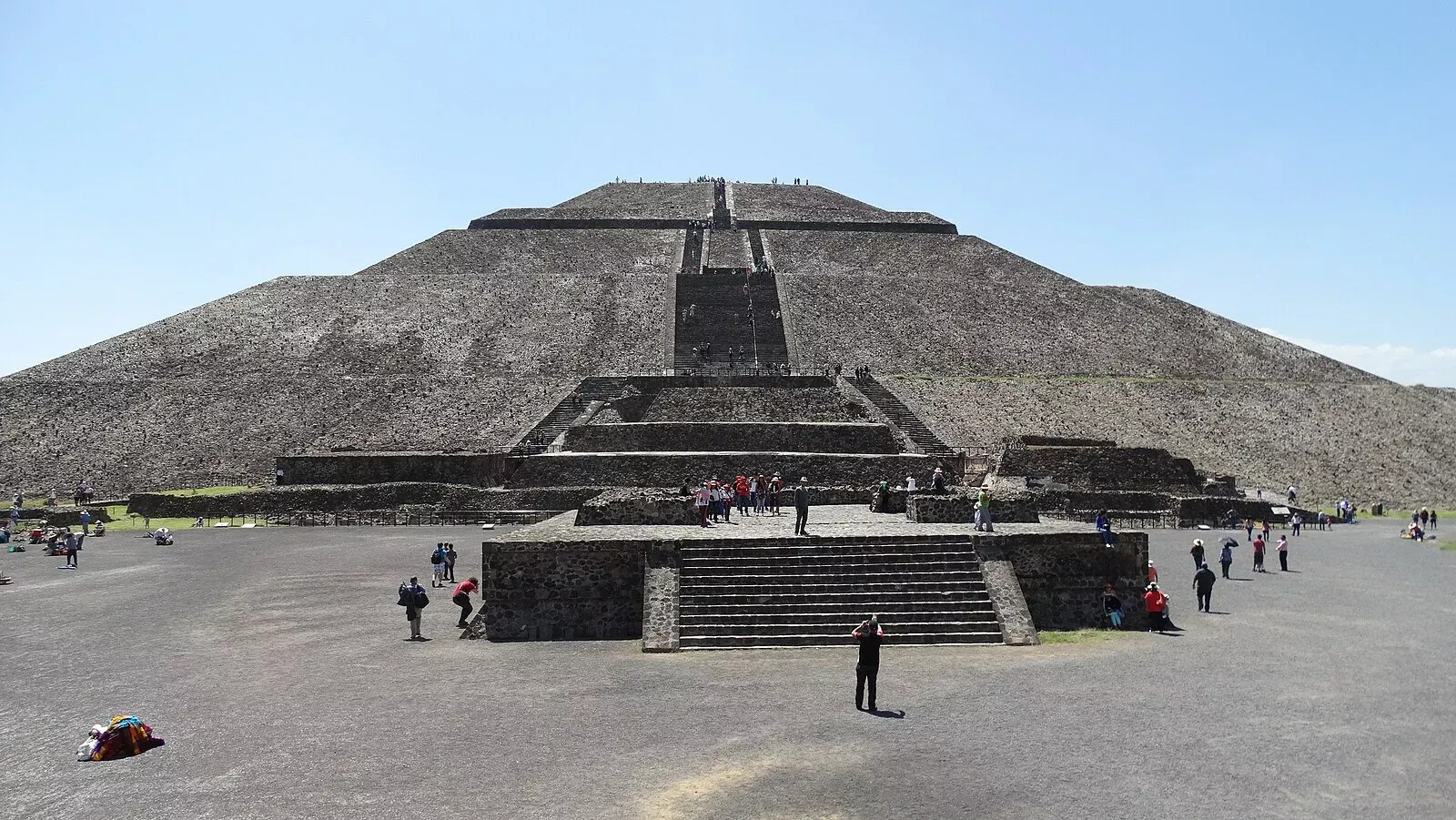
From an engineering perspective, Chinese pyramids are complex structures requiring precise calculations and labor organization. The use of loess made it possible to create monolithic structures resistant to erosion. The height of most pyramids varies from twenty-five to one hundred meters, but individual giants, such as the tomb of Emperor Wu of Han, reach larger sizes. Interestingly, the shape of the pyramids is not always regular: both classic four-sided structures and truncated pyramids with flat tops, reminiscent of the Mexican Teotihuacan buildings, are found. Archaeologists find fragments of pottery, jade items, and bronze ritual objects around the pyramids, dating back to the first millennium BC. Many of these artifacts testify to the high level of development of metallurgy and artistic craftsmanship in ancient China.
Journey to the Pyramids in 2026 — Practical Information for Tourists
How to Get to the Pyramids and What to See
The optimal starting point for getting acquainted with the Chinese pyramids is the city of Xi'an—a modern metropolis with developed infrastructure and a rich historical heritage. The city is conveniently located and offers tourists many accommodation, dining, and leisure options. To see the mound tombs, it's best to set aside at least two or three days to visit the main sites without getting too tired from traveling. The most popular routes include trips to the tomb of Qin Shi Huang with the Terracotta Army, to the Han Dynasty mounds in the Xianyang Valley, and to the Yangling funerary complex. It's important to note that most pyramids are located in rural areas, and visiting them will require a rented car with a driver or an organized tour.
Transport and Nearest Airport
The nearest major airport is Xi'an Xianyang International Airport, code XIY. It receives regular flights from Moscow, St. Petersburg, and other CIS cities, as well as numerous connecting flights via Beijing, Shanghai, or Hong Kong. From the airport to the center of Xi'an, you can get there in several ways. The fastest and most comfortable option is a taxi; the trip will take about forty-five to sixty minutes and cost approximately one hundred twenty to one hundred fifty RMB. A more economical way is the metro: Line 14 connects the airport to the city; from there, you'll need to transfer to Line 2 or 4 to reach the central areas. Public buses also run between the airport and key points in the city; the fare is about twenty-five RMB. The currency of China is the Yuan. You can exchange money at the airport, banks, or numerous exchange offices in the city center.
Excursions and Entrance Fees
Visiting most pyramids is only possible as part of organized excursions, as independent access to many sites is restricted. Chinese authorities protect these territories as archaeological reserves, and special observation platforms and museum complexes are equipped for tourists.
-
Yangling Tomb, belonging to Emperor Jing of the Han Dynasty, is one of the most accessible sites. The entrance fee is about eighty RMB. The complex includes a modern museum built directly over the excavated burial pits, where you can see ceramic figurines and actual skeletons of sacrificial animals.
-
The Tomb of Qin Shi Huang with the Terracotta Army is the most famous and expensive site. The entrance ticket costs one hundred fifty RMB. A huge pavilion protects thousands of clay warriors, each with unique facial features. It's best to come here early in the morning to avoid the huge crowds of tourists.
-
Sightseeing tours to the White Pyramid and other restricted sites are organized unofficially by private guides. The price for such excursions is negotiated individually and can be significantly higher than official rates. Tourists should soberly assess the risks and understand that guaranteed access to closed zones does not exist, and it is unlikely to be possible to see the legendary pyramid up close due to the military status of the territory.
Where to Stay: Expensive and Inexpensive Districts of Xi'an
The choice of accommodation in Xi'an is huge and can satisfy the requests of any traveler. The city offers both luxurious international chain hotels and budget hostels and guesthouses.
-
Expensive areas include the central quarters around the South Gate (Nanmen), as well as the square in front of the city administration building. Here you'll find five-star hotels, boutique hotels, and premium-class apartments. A night in such an area will cost at least five hundred RMB, but the level of service and comfort will meet the best international standards.
-
Budget accommodation options are located in the area of the Muslim Quarter, known for its colorful atmosphere and street food, as well as on the outskirts of the city. Here you can find hostels and small hotels for one hundred to two hundred RMB per night. This option is great for active travelers who plan to spend whole days on excursions and only need a comfortable place to sleep. Daily apartment rentals, which can be booked through local services, are also popular.
What's Happening in the Region in 2026?
In 2026, China continues to actively develop domestic tourism and modernize its tourist infrastructure. In Xi'an, new metro lines are fully operational, significantly easing movement around the city. Modern parking lots, information centers, and rest areas for tourists have been equipped around key attractions. Chinese archaeologists are gradually opening new finds to the public: in recent years, additional pits with terracotta figures of acrobats, musicians, and officials, discovered near the tomb of Qin Shi Huang, have been unveiled.
However, access to the largest pyramids in the Xianyang Valley remains restricted. Research there is conducted using ground-penetrating radar and remote sensing methods, but the results are published in a controlled manner and mainly in Chinese scientific journals. Tourists are advised to monitor updates on the official tourism portals of Shaanxi Province to stay informed about the current operating hours of museums, possible temporary exhibitions, and new discoveries related to the enigmatic mound tombs of the ancient emperors.