
The advantages of buying property in Bulgaria
So why should you...
- Why Bulgaria Attracts Buyers: Main Advantages
- What is Property in Bulgaria and Where is it Located
- Main Advantages of Buying Property by the Sea
- How to Get There and What to Know About Transport Accessibility
- The Other Side: Disadvantages and Selection Nuances
- Significant Disadvantages and Legal Restrictions
- Pitfalls in Area Calculation and Choosing a Location
- What to Pay Attention to When Viewing Properties
- Life, Investment, and Sights
- Culture, Traditions, and What to See for Tourists
- Investment Potential and Price Growth Prospects
- Excursions, Nature, and Active Recreation
Why Bulgaria Attracts Buyers: Main Advantages
What is Property in Bulgaria and Where is it Located
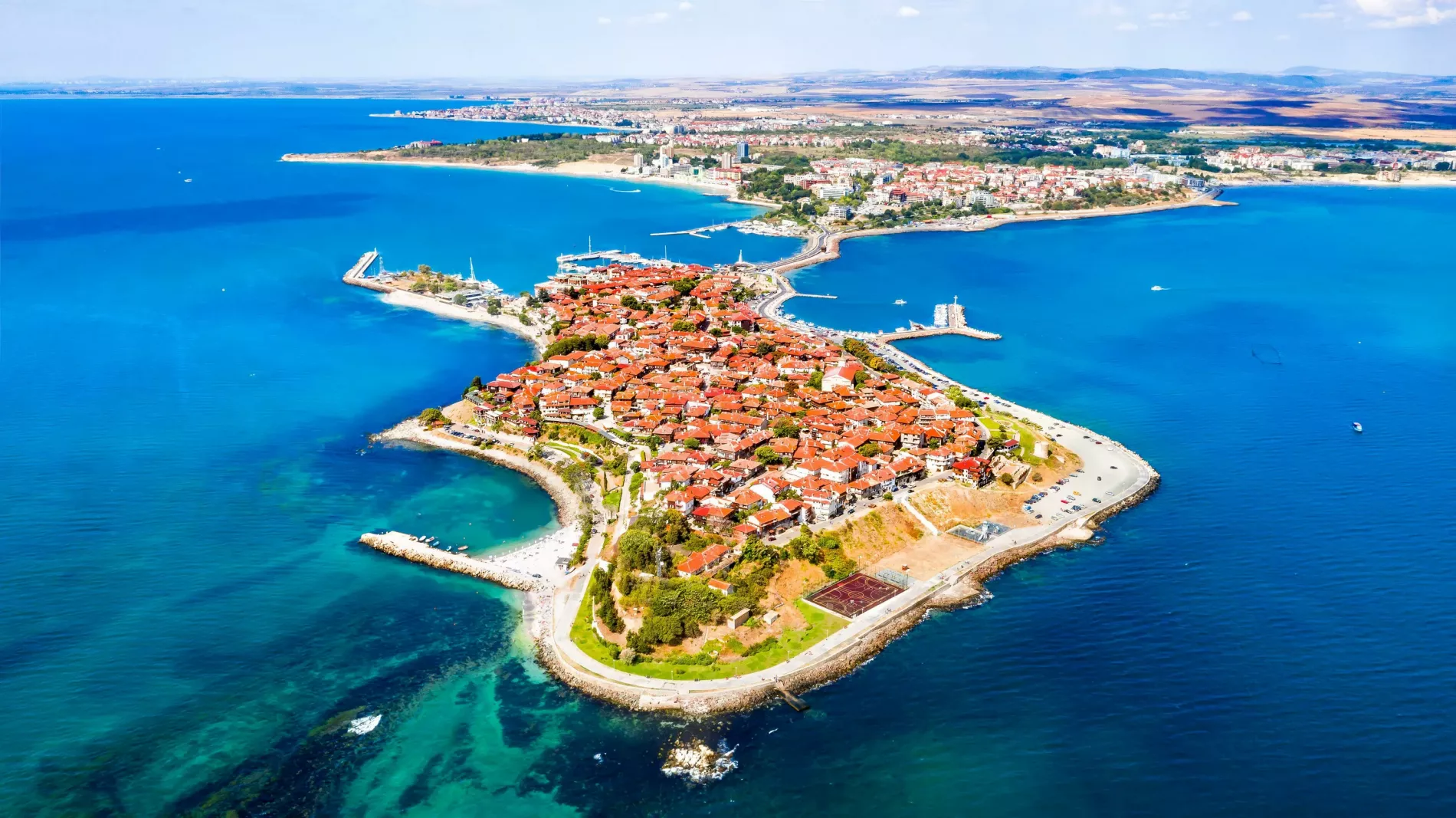
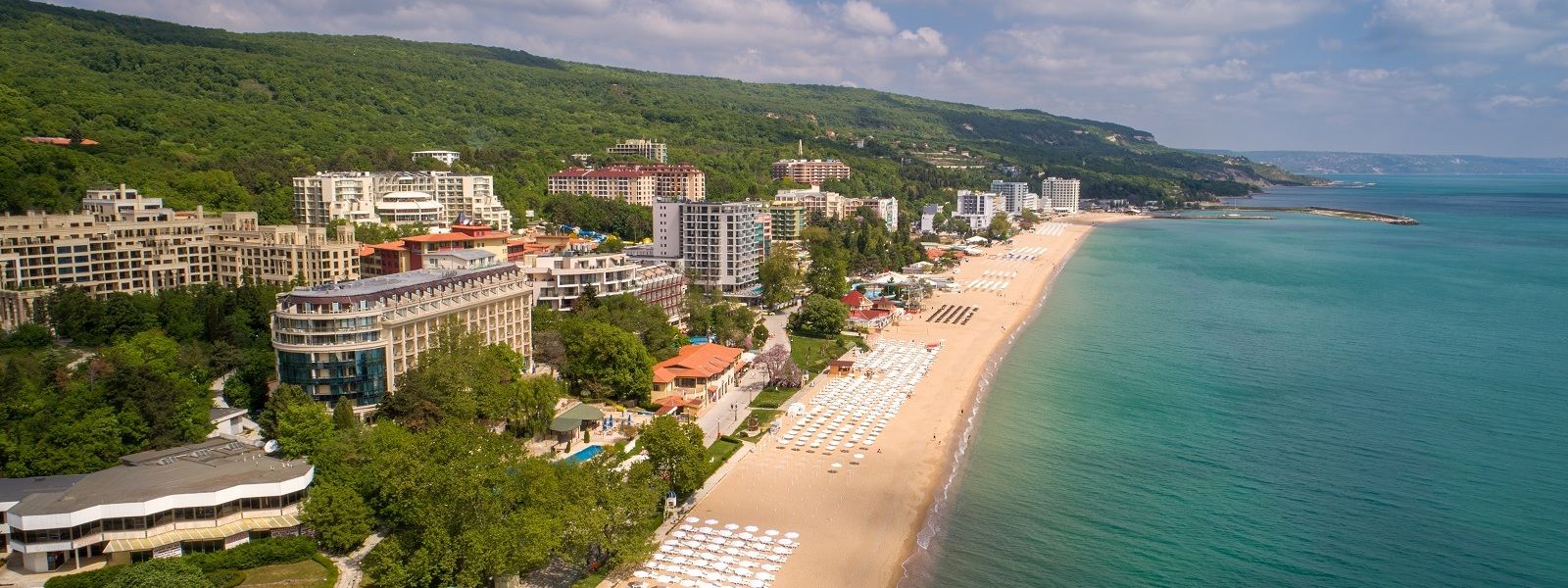
Property in Bulgaria encompasses a wide range of offerings, from apartments on the Black Sea coast to chalets in the Rila and Pirin mountain ranges. The country is located in southeastern Europe on the Balkan Peninsula, washed by the waters of the Black Sea. For Russian buyers, this market is primarily interesting due to affordable prices and the opportunity to obtain European residency. In 2026, the popularity of Bulgarian housing continues to grow thanks to the country's partial entry into the Schengen Zone, which simplifies travel within Europe. Key regions for purchase are Varna, Burgas, the resort complexes of Sunny Beach and Golden Sands, as well as historic Nesebar, a UNESCO World Heritage site. The local currency is the Bulgarian Lev, pegged to the Euro at a fixed rate, making financial calculations transparent and predictable for foreigners.
Main Advantages of Buying Property by the Sea
The main advantage noted by all analysts is the attractive price per square meter. Even in prestigious areas of Varna or Sozopol, property costs are significantly lower than in Spain, Italy, or Greece. Following the 2008 crisis, prices fell by 40 percent and have yet to reach peak values, creating excellent market entry opportunities. A luxury villa on the first sea line in Bulgaria can cost as much as a standard apartment in a Moscow residential district. The second major plus is the well-developed tourist infrastructure. The state allocates significant funds to building new roads, improving embankments, and renovating the housing stock. The resort sector caters largely to tourists from CIS countries, so the language barrier is minimal, and the culture and traditions are largely familiar and understandable.
How to Get There and What to Know About Transport Accessibility
The nearest international airports are located in Sofia, Varna, and Burgas. Flight time from Moscow to Varna is about two and a half hours, allowing for property viewings even over a weekend. From Burgas airport, you can reach the popular Sunny Beach resort by taxi in just thirty minutes. In 2026, the network of highways connecting major cities with the coast is actively developing, improving logistics between sea and ski resorts. For those planning to visit their property frequently, it's important to consider the visa regime. Since the partial opening of Schengen air borders in 2024, the entry process has become easier, and property owners can qualify for multi-entry visas allowing stays of up to ninety days per half-year.
Срочная продажа
- 118m2
- 3
- 1
- 1
 Sveti Vlas, Bulgaria
 Sunny Beach, Bulgaria
- 166m2
- 6
- 3
- 1
Sunny Beach, Bulgaria
- 62m2
- 7
- 1
- 1
Sunny Beach, Bulgaria
- 35m2
- 1
Sunny Beach, Bulgaria
- 116m2
- 2
- 1
Sveti Vlas, Bulgaria
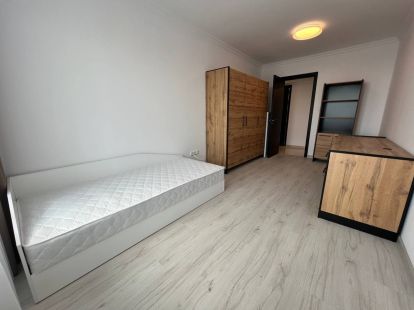
- 106m2
- 4
- 2
- 1
Sveti Vlas, Bulgaria
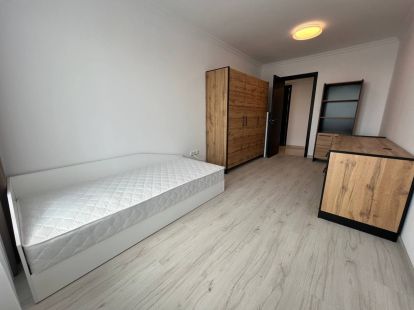
- 2
- 2
Sunny Beach, Bulgaria
The Other Side: Disadvantages and Selection Nuances
Significant Disadvantages and Legal Restrictions
Despite the obvious advantages of purchasing, there are drawbacks that can become unpleasant surprises for the uninformed buyer. The main legal nuance concerns land plots. Under Bulgarian law, a foreign citizen is not entitled to purchase land outright. If you plan to buy a villa with a plot, legally you will only own the structure, and you will have to lease the land from the state. However, this obstacle can be circumvented by opening a local company and registering the land in the legal entity's name. A second major drawback is the technical condition of the older housing stock. Many buildings from the socialist era suffer from a lack of centralized heating, and the country's gasification remains poor, leading to high utility costs during winter, ranging from six hundred to one thousand euros per year.
Pitfalls in Area Calculation and Choosing a Location
Unprepared buyers often encounter a surprise regarding living space calculation. In Bulgaria, the total area of an apartment includes common shares — stairwells, elevator lobbies, as well as the thickness of external walls and terraces. As a result, the actual usable area may be ten to fifteen percent less than stated in the documents. Regarding locations, the market clearly divides into expensive and budget areas. Prestigious locations include the center of Varna with its Sea Garden, the old part of Nesebar suitable for renovation, and elite complexes in Sozopol with panoramic sea views. Budget options are found in Ravda, Sveti Vlas, and small towns ten to fifteen kilometers from the coast. For mountain air enthusiasts, Bansko is suitable, where you can buy apartments for year-round living or renting out to skiers.
What to Pay Attention to When Viewing Properties
Experienced realtors advise visiting at least twice — in summer and winter. In summer, you might not notice how cold and damp an apartment located too close to the sea on the north side can be. In winter, it's easy to overlook that the property is directly above a noisy restaurant that is simply closed during the low season. It's also important to assess the distance to functioning grocery stores in the off-season — sometimes it can be over a kilometer. When buying off-plan, it is essential to carefully check the developer's reputation and the property's compliance with European certification standards. If for some reason you cannot adhere to the payment schedule, recovering funds already paid can be extremely difficult.
Life, Investment, and Sights
Culture, Traditions, and What to See for Tourists
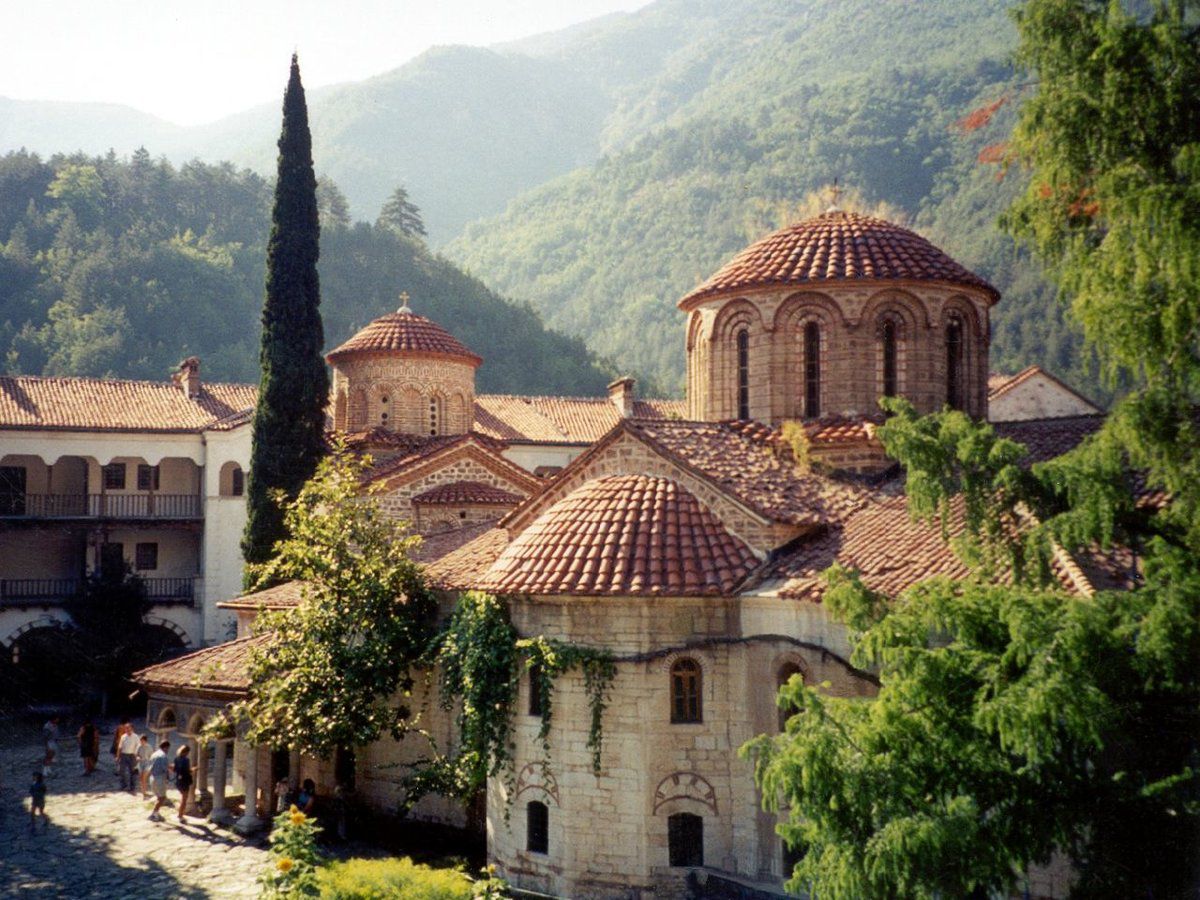
When coming to Bulgaria to view properties, it is definitely worth setting aside time to get acquainted with the rich history and culture of the country. The Rila Monastery, founded in the tenth century, is a UNESCO World Heritage Site and a must-see on any excursion program. In old Nesebar, ruins of Thracian settlements and medieval churches have been preserved, impressive in their architecture. The architecture of resort towns represents a unique blend of Bulgarian National Revival and modern European trends. In 2026, wine tours to the Melnik Valley, where famous Bulgarian wines are produced, and trips to Cape Kaliakra with its breathtaking sea views are gaining particular popularity. The local cuisine, rich in vegetables, brined cheeses, and yogurt, will pleasantly complement the gastronomic experience of the trip.
Investment Potential and Price Growth Prospects
Today, buying property in Bulgaria is seen not only as a way to acquire a home by the sea but also as a profitable investment. The expected full accession to the Schengen Zone and the transition to the Euro in 2025-2026 are stimulating gradual price growth. Experts predict an increase in the value of liquid assets in resort areas by five to seven percent annually. Particularly promising are new builds at the foundation stage, but here it is crucial to thoroughly check the developer's reputation and project completion deadlines. Commercial real estate in the form of apart-hotels is also in demand but requires a preliminary analysis of maintenance costs, which in some complexes can reach one thousand euros per year. With a competent approach and consultation with a local lawyer, the purchase becomes a reliable investment with the potential for passive rental income.
Excursions, Nature, and Active Recreation
For those planning to use the property for personal leisure, Bulgaria offers diverse opportunities year-round. Summer brings beach holidays on the sandy shores of Golden Sands, yachting along the entire Black Sea coast, and diving in clear waters. Winter opens up ski slopes in Bansko and Pamporovo, equipped to European standards. During the off-season, balneological resorts with healing mineral waters, such as Pomorie and Velingrad, are popular. Hiking trails through national parks allow you to enjoy amazingly beautiful mountain landscapes and see rare plant species. Cultural life is not limited to excursions — Varna and Burgas regularly host music festivals, art exhibitions, and gastronomic celebrations attracting tourists from all over the world.