
Houses in Alicante

- 329m2
- 4
- 3
 Alicante

- 615m2
- 3
- 4
Alicante

- 220m2
- 3
- 2
Alicante

- 1 147m2
- 6
- 7
Alicante

- 127m2
- 2
- 2
Alicante

- 1 401m2
- 5
- 9
Alicante
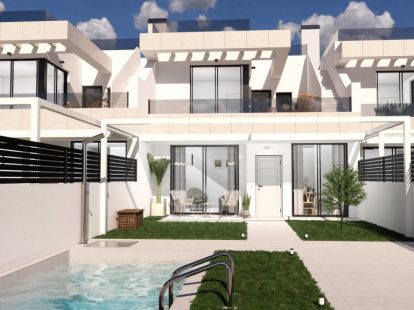
- 110m2
- 3
- 3
Alicante
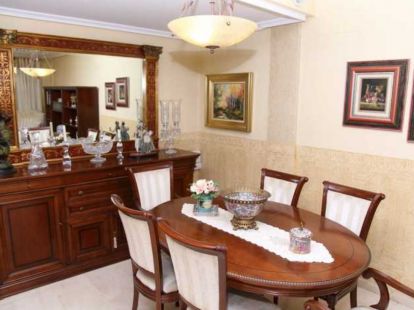
- 4
- 2
Alicante
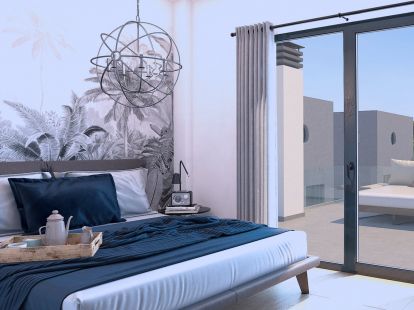
- 243m2
- 3
- 3
Alicante
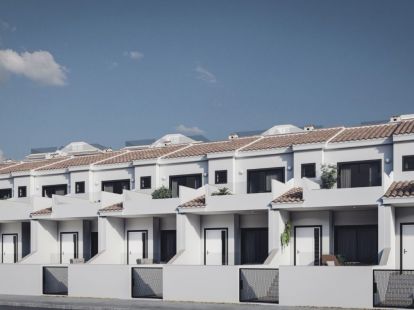
- 80m2
- 2
- 1
Alicante
- 207m2
- 4
- 3
Alicante
- 230m2
- 5
- 4
Alicante
- 2
- 2
Alicante
- 158m2
- 5
- 2
Alicante
- 3
- 2
Alicante
Buying a House in Alicante in 2026: A Complete Guide to Prices, Areas, and Investments
A house in Alicante in 2026 is not just a building, but a capital-intensive asset that includes ownership of land (the plot). This fundamentally distinguishes it from buying an apartment and requires a more comprehensive approach to valuation, due diligence, and maintenance. Purchasing here is an investment in a private lifestyle at the intersection of the vibrant urban environment of the Costa Blanca and the Mediterranean coast. The main types of properties are detached villas (chalets independientes), townhouses (adosados) in gated communities, and traditional single-storey bungalows. The key demand for most buyers is the presence of private outdoor space, making houses in Alicante, especially houses by the sea, attractive to families and those seeking a permanent residence.
Market Overview and Comparison of Property Types: Villas vs. Townhouses in Alicante
The market for houses in Alicante is segmented. Most of the supply consists of resale properties from the 80s and 90s. A detached villa offers maximum privacy and freedom in managing the plot but carries the highest maintenance costs (IBI property tax, insurance, full upkeep). A townhouse often includes communal areas and lower utility bills due to economies of scale (comunidad fees) but limits privacy. The average price per m² for villas is €2,600 – €3,000, for townhouses €2,200 – €2,500. New construction (obra nueva) is concentrated in prestigious areas.
Who Buys Houses in Alicante and Why? Buyer Profile
The audience is segmented by purpose. Families from Northern Europe (Germany, Scandinavia) view the purchase as a basis for relocating permanently, valuing safety and school quality. Investors focus on houses by the sea for high-yield seasonal rentals. European retirees look for low-maintenance bungalows. A separate category is affluent buyers acquiring villas in Alicante as a status summer residence. Inexpensive houses in Alicante (from €135,000) often attract first-time investors willing to undertake renovations.
Alicante Districts: From Luxury Villas to Affordable Townhouses
Choosing the district is a key factor for price and purpose. The elite and expensive areas are the coastal zones: Playa de San Juan and Cabo de las Huertas. Here, prices for villas start from €500,000. Quiet family neighborhoods with good infrastructure include Pla del Bon Repos and Benalúa. More affordable areas for a first entry into the market are Los Ángeles and Parque Avenidas. Their relative affordability is due to their distance from the sea.
The House Buying Process: 6 Key Stages for Non-Residents
-
Financial Planning and Search: Determining a budget, including an additional 15-20% for taxes, notary fees, and potential renovations. Searching via aggregator portals and agencies.
-
Extended Due Diligence: Requesting documents specific to houses: cadastral survey plan (Planimetría catastral), report on the condition of the roof and foundations, verification of access rights (easements), and water/sewage systems (septic tank).
-
Preliminary Contract (Contrato de arras): Paying a deposit (usually 10%) to reserve the property.
-
Arranging Financing (if needed): Obtaining a mortgage for non-residents, secured against the land and building, which requires a high bank valuation (tasación).
-
Signing the Title Deed at the Notary (Firma de la Escritura): Paying the remaining balance and the Property Transfer Tax (ITP, 10% in Valencia).
-
Registration and Utilities: Submitting documents to the Land Registry and connecting utilities.
Hidden Costs, Ownership Risks, Rental, and Residency
Beyond standard utilities, annual expenses include: a higher property tax (IBI) due to the land, building and civil liability insurance, and costs for garden and pool maintenance. Long-term house rentals yield 3.2 – 4.5% net return. Seasonal rental of a sea-view villa yields 6-9% but carries vacancy risks and requires professional management. The main risk is overestimating the renovation potential and the object's liquidity during a crisis. The purchase does not grant automatic residency but is a key asset for obtaining non-lucrative residency or a digital nomad visa, subject to proof of sufficient income.