What the apartment market in Alicante looks like
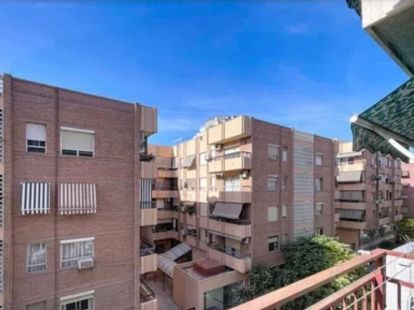
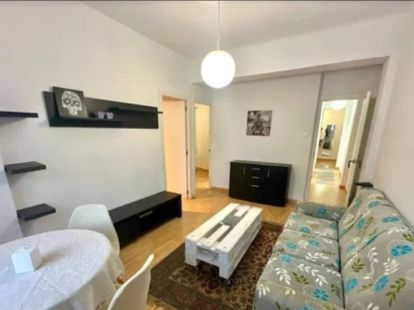
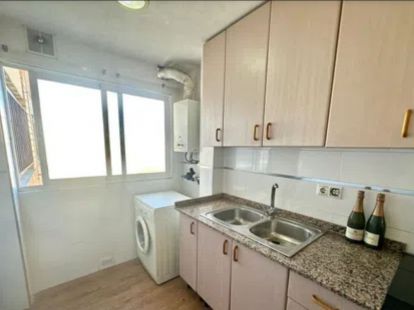
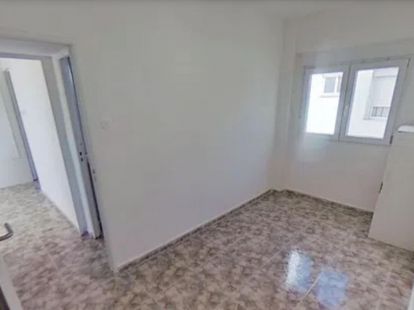
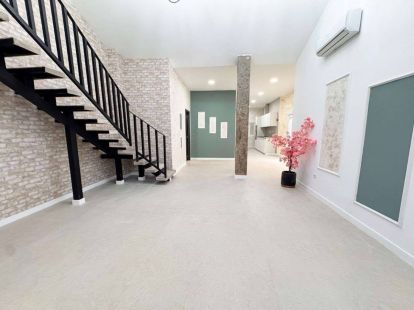
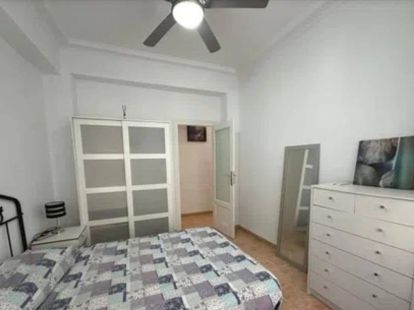
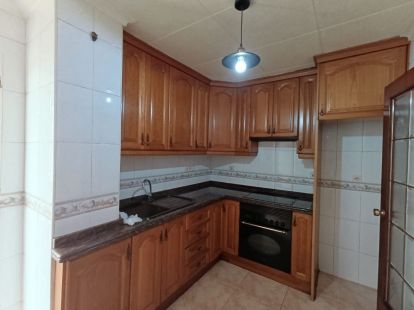
Buying an apartment in Alicante in 2026 means choosing between the secondary housing stock built in the 1970s–2000s and rare new builds (obra nueva) with modern open-space layouts. Most of the offerings on the market are reinforced concrete frame buildings with ceramic block infill, studios of 35–45 m², one-bedroom apartments of 50–65 m² and two-bedroom apartments of 70–90 m², which are sold unfurnished (sin amueblar) and with paint-ready finishes. Apart from apartments, the Alicante market also features penthouses, townhouses and villas, but the bulk of the supply consists of apartments in residential complexes.
Apartment prices in Alicante by segment
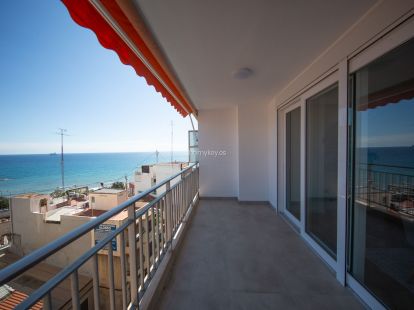
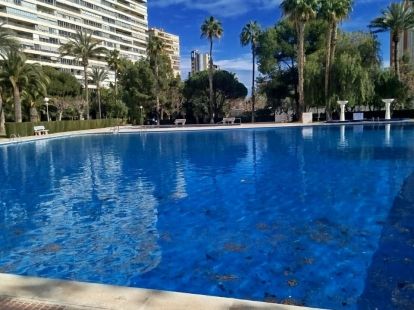
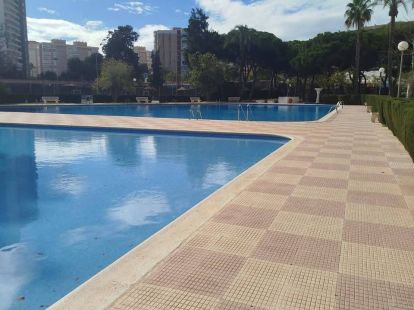
Prices for apartments in Alicante in 2026 are divided into three segments. The economy segment on the secondary market — from €65,000 to €125,000: these are studios and one-bedroom apartments in areas further from the centre, often without a lift and requiring renovation. The mid-range and comfort class — from €120,000 to €250,000: apartments with 2–3 bedrooms in good residential areas within a 10–15 minute walk of the beach. New builds and apartments by the sea — from €250,000 to €350,000 and above: gated residential complexes with a swimming pool, underground parking, while first-line properties (primera línea) are valued at 30–50% more than second-line equivalents.
Why apartment prices vary so much across different districts of Alicante
The price spread across Alicante's districts is explained by three factors: distance to the sea, the status of "first line" versus "second line", and the social environment of the neighbourhood — see the table below for specific figures by district. Alicante-Elche International Airport is 10 km from the centre, and the tram line connects the city with beach areas, so almost any district remains accessible without a car. If a particular budget or the atmosphere of an Alicante neighbourhood does not suit, similar conditions — climate, infrastructure, Russian-speaking environment — are offered by neighbouring towns on the Costa Blanca: Torrevieja, Santa Pola, Benidorm and Jávea, where Russian-speaking buyers are also actively purchasing property.
Through whom to buy: agency, developer or private owner
You can buy an apartment in Alicante in three ways. Through a real estate agency — with property selection, negotiations and document checks, but with a commission of 3–5% plus VAT. Directly from the developer — relevant for new builds, offers a fixed price and a structural guarantee, but leaves no room for negotiation. From a private owner (particular) — often cheaper in price, but all legal and technical checks (Due Diligence) are arranged by the buyer themselves, for which an independent lawyer is needed.
Which documents are checked before the transaction
The first document for any transaction is the NIE, a foreigner's identification number: without it, you cannot open a bank account in Spain or sign any contract. Next, before the transaction, four more documents must be checked: Nota Simple Registral — an extract from the property register; Certificado de deudas de comunidad — a certificate confirming the absence of debts to the community of owners; Cédula de Habitabilidad — the technical occupancy certificate; Certificado de Eficiencia Energética — the energy efficiency certificate, where classes F and G mean higher future maintenance costs. For buildings over 30 years old, an informe de estado del edificio — a technical condition report — is additionally requested. Next, a Contrato privado de compraventa is signed with a deposit of 10% of the price, and the transaction is completed before a notary with the signing of the Escritura Pública and payment of the ITP tax (Impuesto sobre Transmisiones Patrimoniales) — 10% of the value for secondary housing.
Mortgages for non-residents
A mortgage in Spain for non-residents typically covers 60–70% of the property's value — the remainder is paid by the buyer from their own funds. The rate is linked to Euribor: in summer 2026, it stands at around 2.7–2.8% per annum. The bank will additionally require proof of the legal origin of funds and income statements from outside Spain — without these, the account for the transaction will not be opened.
Rental, residency and final yield
Long-term rental of an apartment in Alicante yields a net return of 3.8–5.2% per annum depending on the district and the condition of the property. Short-term tourist rentals require a VUT licence, and in the city centre the number of such licences is capped. Buying an apartment in Alicante does not grant automatic residency — since April 2025, the Golden Visa programme through property has been closed. Property ownership remains a mandatory requirement for non-lucrative residency (visado no lucrativo) or the digital nomad visa, where separate proof of income of at least €2,849 per month from abroad is required.
The entry-level threshold for buying an apartment in Alicante starts from €110,000 – €125,000. For this price, you can purchase a studio or a compact one-bedroom in areas further from the center, possibly requiring cosmetic renovation. The mid-budget segment (€140,000 – €200,000) covers the majority of the supply — these are 1-2 bedroom apartments within a 10-15 minute walk from the beach. Premium options in elite areas or new developments start from €250,000 – €300,000.