
Transportation in the UAE
Services by Location
Transportation in the UAE - calculate the cost of the service
Order a service




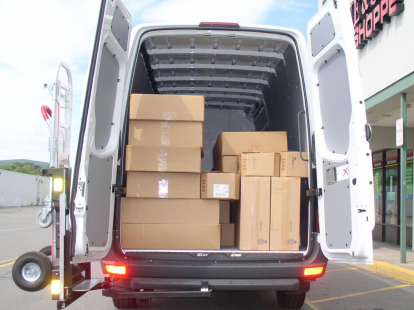




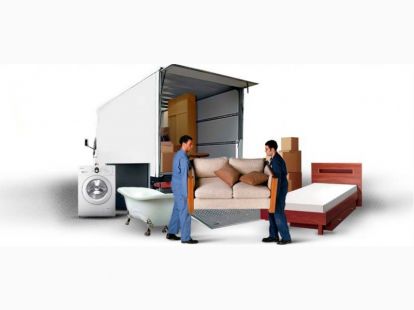


Garbage collection by container from an apartment, house and office
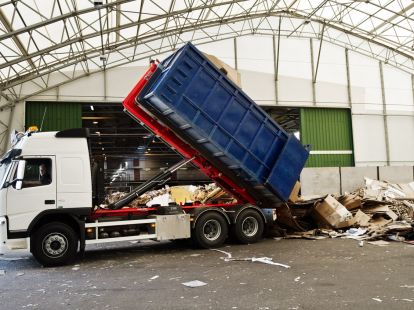

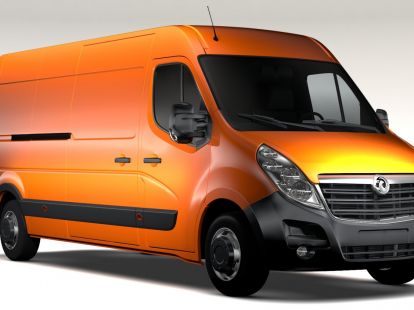


Cargo Transportation in Dubai: Choosing Equipment, Logistics, and Saving in 2026
Organizing transportation in a dynamic metropolis requires a clear understanding of local specifics. Cargo transportation in Dubai is not just about renting a vehicle; it's a complex logistical task where key factors include choosing the right type of transport, knowledge of districts, and planning considering the climate and traffic congestion. Modern service here implies door-to-door cargo forwarding: from professional packing and rigging to insurance and customs clearance for international shipments. The final service cost ultimately depends on the precise calculation of these parameters.
Fleet and Technical Parameters: From Minivans to 20-Tonners
To correctly estimate the cost of cargo transportation in Dubai, one must start from the technical characteristics of the vehicle. The main types of transport in the emirate are: passenger minivans (up to 1 ton, 8-10 m³) for small batches of goods or personal belongings; insulated vans (3.5-5 tons, 18-25 m³) for office or apartment relocations; curtain-sided trucks with a tail lift (10-20 tons, 40-60 m³) for moving furniture, equipment, and oversized items. Selecting a cost-effective option begins with accurately determining the tonnage and cubic capacity of your cargo to avoid overpaying for excess volume.
Geography, Districts, and Their Impact on Logistics
Logistics and the final transportation price in Dubai heavily depend on the location. Districts can be roughly divided into three categories by complexity. "Premium" districts with higher rates include Downtown Dubai, Dubai Marina, Palm Jumeirah — due to difficult access, paid parking, and high-rise buildings requiring lift coordination. Standard conditions apply in business districts (DIFC, Business Bay) and residential communities (Jumeirah, Al Barsha). The most budget-friendly option is transportation between industrial zones (Jebel Ali Industrial Area, Dubai Investment Park). A key factor in the estimate is not just mileage, but time and organizational costs.
Cost Structure: What Makes Up the Final Price
The cost of transportation in Dubai is formed from several items and ultimately depends on the cargo volume and distance. The base rate is the rental of a vehicle with a driver, most often hourly. Be sure to clarify whether this price includes the work of loaders, packing materials (stretch film, cardboard, bubble wrap), and loading/unloading operations (rigging). Waiting time in traffic jams and floor carry without an elevator may be paid separately. Important tip: to get an affordable offer, request a detailed estimate with a breakdown of all items and compare the conditions.
Criteria for Choosing a Reliable Carrier in the UAE
The choice of contractor determines the safety of your property and adherence to deadlines. Opt for companies with their own fleet, not intermediaries. Check for cargo liability insurance and a license from the RTA (Road and Transport Authority). It is ideal if the staff includes English- or Russian-speaking logistics managers. For transporting specific cargo (pianos, safes, museum exhibits), request a portfolio of completed projects. Record all agreements in a work order specifying the time window for vehicle arrival, list of services, and final price to avoid unexpected costs and obtain a genuinely affordable and quality service.