
Methana Volcano in the Peloponnese — An Ancient Giant 50 km from Athens
Active Volcano with Panoramic Views of the Saronic Gulf
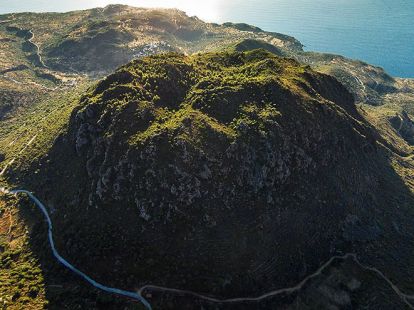
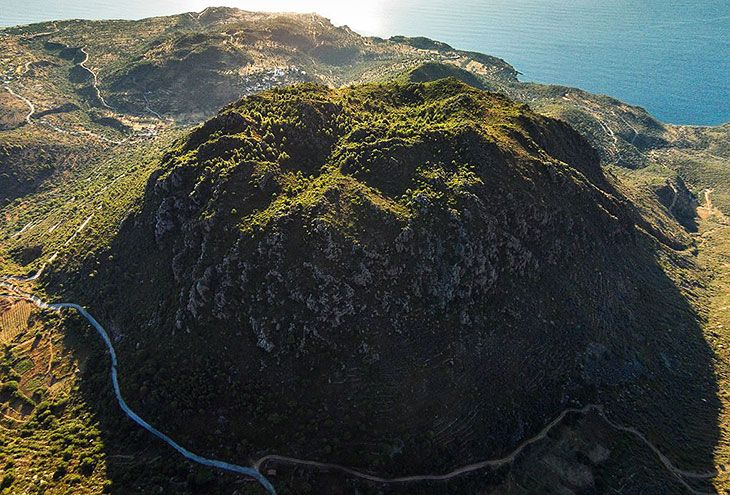
Methana Volcano is one of the most impressive natural attractions in Greece, located on the peninsula of the same name, 50 km from Athens. In 2026, this region continues to attract tourists interested in geology, history, and panoramic views. The Methana Peninsula was formed as a result of volcanic activity that began over a million years ago. Today, there are about 30 craters and numerous tectonic faults here, and the largest of them — Methana Volcano — is still considered active, although its last eruption dates back to 258 BC. The volcano reaches a height of 760 meters above sea level, and from its summit, you can enjoy breathtaking views of the Saronic Gulf and the surrounding Peloponnese. The first ascent to the summit was made only in 1995, highlighting the uniqueness and danger of this place.
Geological History and Current State
Volcanic activity in the Methana region began about a million years ago, and it was this activity that shaped the peninsula, which today is home to picturesque villages, thermal springs, and the volcano itself. The two-domed summit of the volcano is one of its main features. One of the domes continues to emit gas and steam, indicating ongoing activity. In 2026, scientists continue to monitor the volcano, but its condition poses no threat to tourists. Access to the summit is open, and thousands of travelers climb the mountain every year to enjoy the panorama.
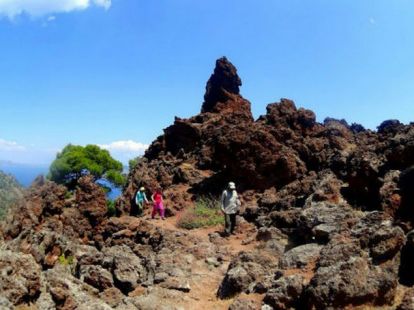
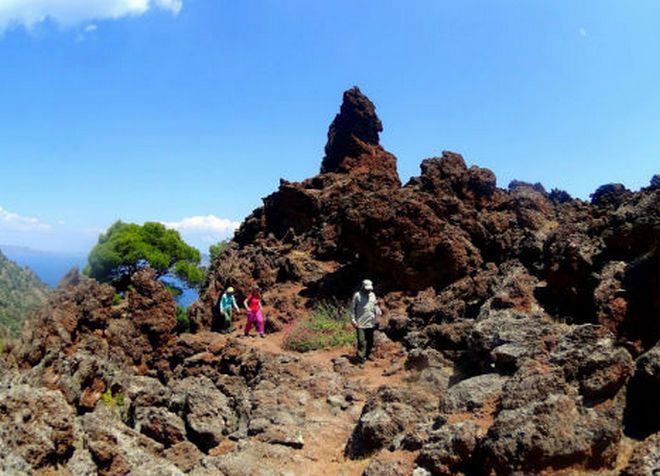
The hike to the summit takes about 2–3 hours on foot and passes through scenic pine forests and rocky sections. In 2026, the route is equipped with signposts and rest areas, making it accessible to tourists of varying fitness levels. Near the volcano, there are thermal springs known for their healing properties, attracting visitors from around the world.
Technical Parameters of Methana Volcano
| Parameter | Value |
|---|---|
| Height above sea level | 760 m |
| Number of craters | about 30 |
| Last eruption | 258 BC |
| Distance from Athens | 50 km |
| Climbing time | 2–3 hours |
Frequently Asked Questions
Is it safe to climb Methana Volcano?
Yes, the volcano is considered safe for tourists. Observations show that activity is limited to gas and steam emissions. The route is equipped and accessible year-round, but in 2026 it is recommended to visit during dry weather.
How to get to the volcano?
A ferry departs daily from Athens to the port of Methana. The journey takes about 1.5–2 hours. From the port, you can take a taxi or a local bus to the foot of the volcano.
What other attractions are in the region?
In addition to the volcano, the Methana Peninsula is famous for its thermal springs, which were used in ancient times. In 2026, modern spa centers and balneological resorts operate here, as well as picturesque villages and beaches.
Why Methana Volcano Is in Demand in 2026
In 2026, interest in Greece's geological and natural attractions continues to grow. Methana Volcano attracts not only nature lovers but also historians, geologists, and photographers. Its proximity to Athens makes it an ideal destination for day trips. The volcano's active status, its unique two-domed shape, and the panoramic views make this place a must-visit. The development of infrastructure — marked trails, information boards, and rest areas — allows tourists of all ages and fitness levels to enjoy the beauty of the Peloponnese. In 2026, guided tours are also available, providing insights into the geological history of the region and its significance to ancient Greece.