
Basal Dental Implantation in Spain — A Modern Method
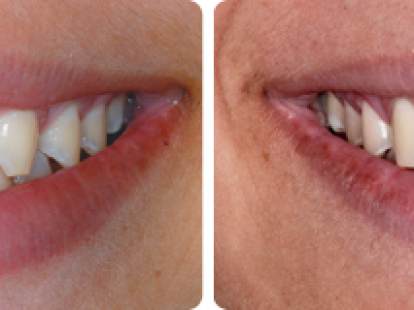
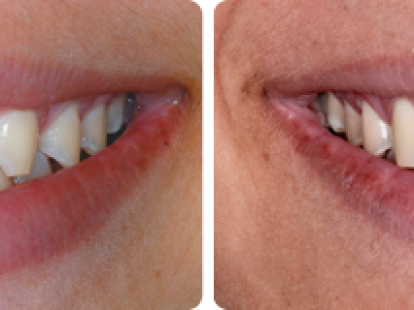
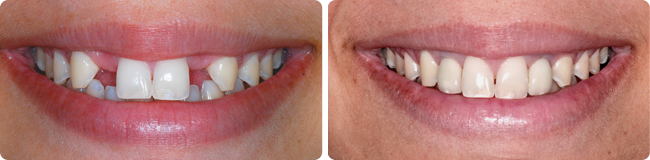
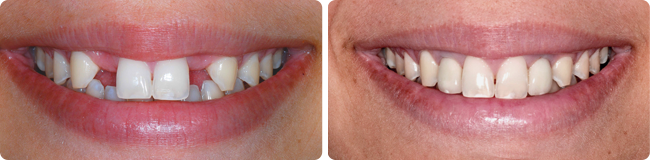
Basal dental implantation is a method that allows the placement of prostheses even in cases of severe bone atrophy without bone grafting. Initially used in France in the 1980s, the technique gained popularity in Spain due to its affordable cost. Modern screw implants with a wide thread pitch have eliminated the drawbacks of the old technology, ensuring high survival rates and reliable prosthesis fixation.
Advantages and Features of Basal Implantation
No need for bone grafting. Vertical angled implant placement. Immediate loading of prostheses. Reduced trauma. Time and cost savings. Suitable for patients with periodontitis and jaw atrophy.
Comparison of Old and New Methods
| Parameter | Old Method | Modern Method |
|---|---|---|
| Implant Shape | T-shaped | Screw, wide pitch |
| Placement | Diagonal | Vertical, angled |
| Survival Rate | Low | High |
Advantages of Modern Basal Implantation
Minimal trauma. Prosthetics within 3–5 days. No risk of rejection. Longevity and reliability.
Frequently Asked Questions
How much does basal implantation cost in Spain?
The price depends on the number of implants and case complexity. Consult a specialist.
How long do basal implants last?
With proper placement and care, the lifespan is 20–30 years.
What are the implantation trends in Spain in 2026?
In 2026, screw systems and methods with immediate loading are popular.