
Apartments in Alicante

- 139m2
- 3
- 2
 Alicante

- 92m2
- 3
- 2
Alicante

- 102m2
- 3
- 2
Alicante

- 102m2
- 3
- 2
Alicante

- 116m2
- 4
- 2
Alicante

- 98m2
- 3
- 2
Alicante

- 105m2
- 2
- 2
Alicante

- 82m2
- 2
- 2
Alicante

- 101m2
- 3
- 2
Alicante

- 3
- 1
Alicante

- 92m2
- 2
- 2
Alicante
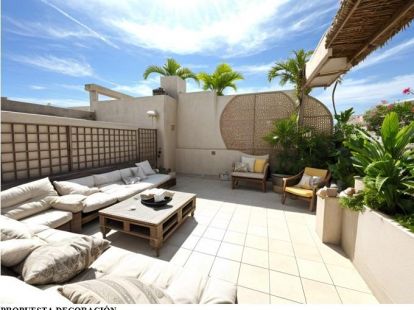
- 161m2
- 4
- 2
Alicante
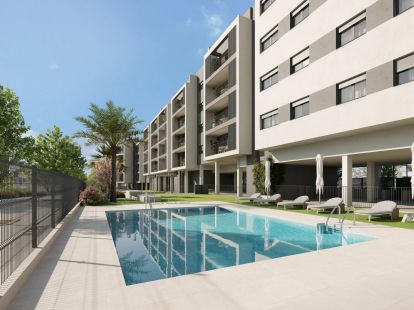
- 73m2
- 2
- 2
Alicante
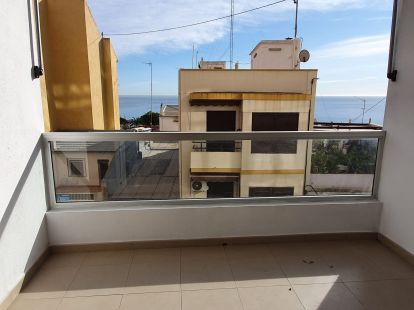
- 108m2
- 3
- 2
Alicante
- 74m2
- 2
- 2
Alicante

- 106m2
- 3
- 2
Alicante
Buy an Apartment in Alicante in 2026: Complete Guide to Selection, Prices, and Transaction
An apartment in Alicante in 2026 is, first and foremost, access to a lifestyle in the capital of the Costa Blanca with its sustainable balance of urban infrastructure and beachside leisure. The majority of properties on the market are secondary apartments in typical buildings constructed in the 1970s-2000s. The structures usually consist of a monolithic reinforced concrete frame with ceramic block infill. Typical layouts include studios (35-45 m²), one-bedroom (50-65 m²), and two-bedroom (70-90 m²) apartments by the sea and in the city. They are sold predominantly unfurnished (sin amueblar), with basic "ready for painting" finishes. New builds (obra nueva) are less common and offer modern open-plan layouts and higher energy efficiency ratings.
Market and Prices in 2026: From Budget Entry to Premium Offers
The current market is characterized by moderate growth. The entry-level threshold for buying an apartment in Alicante starts from €110,000 – €125,000. For this price, you can purchase a studio or a compact one-bedroom in areas further from the center, possibly requiring cosmetic renovation. The mid-budget segment (€140,000 – €200,000) covers the majority of the supply — these are 1-2 bedroom apartments within a 10-15 minute walk from the beach. Premium options in elite areas or new developments start from €250,000 – €300,000. Apartments with a sea view or a private pool within a residential complex are valued 30-50% higher than comparable units without these features.
Alicante Districts: Why Prices Vary So Much
The choice of district is a key cost factor. Expensive districts, such as Playa de San Juan, Albufereta, and Cabo de las Huertas, combine immediate proximity to the sea (the first 500-800 meters), developed infrastructure (marinas, restaurants, clinics), and high social status. This defines their premium nature. More affordable districts, for example, Carolinas or Vistahermosa, are often located 2-3 km from the shore, characterized by denser development and a less diverse social environment, which directly influences price and liquidity.
Choosing the Purchase Channel: Agency, Developer, or Private Owner
In Spain, there are three main avenues. Buying through a real estate agency provides service (selection, negotiation, verification) but includes a commission (typically 3-5% + VAT). Dealing directly with a developer is relevant for new builds and offers a fixed price, warranties on structural elements, but minimizes room for negotiation. Buying from a private owner (particular) often allows for agreeing on a more favorable price but shifts all risks of legal and technical due diligence onto the buyer, requiring the engagement of an independent lawyer.
Technical and Legal Details of the Purchase: What to Check
The Spanish market is strictly regulated. After selecting a property, the Due Diligence stage begins. The buyer must request: 1) Nota Simple Registral (property registry report), 2) Certificado de deudas de comunidad (certificate of no community debts), 3) Cédula de Habitabilidad (habitability certificate), 4) Certificado de Eficiencia Energética (energy efficiency certificate — class F or G implies high future expenses). An informe de estado del edificio (building condition report) is critically important, especially for buildings over 30 years old. Next comes the signing of the preliminary contract (Contrato privado de compraventa) with a deposit (10%) and the finalization of the transaction before a notary (Escritura Pública) with payment of the ITP (Impuesto sobre Transmisiones Patrimoniales) transfer tax at a rate of 10% of the purchase price.
Rental, Residency, and Final Investment Benefit
Long-term rental of an apartment in Alicante can yield a net annual return of 3.8 – 5.2%, depending on location and condition. Short-term tourist rental requires an expensive VUT license and is often subject to quotas in the city center. The purchase does not grant automatic residency. Since 2025, the Golden Visa program for real estate has not been in effect. However, property ownership is a mandatory condition for a non-lucrative residence permit (visado no lucrativa) or a digital nomad visa, which require proof of stable foreign income. Thus, an apartment in Alicante is either the foundation for a legal relocation or an asset generating passive income in a dynamically developing city.